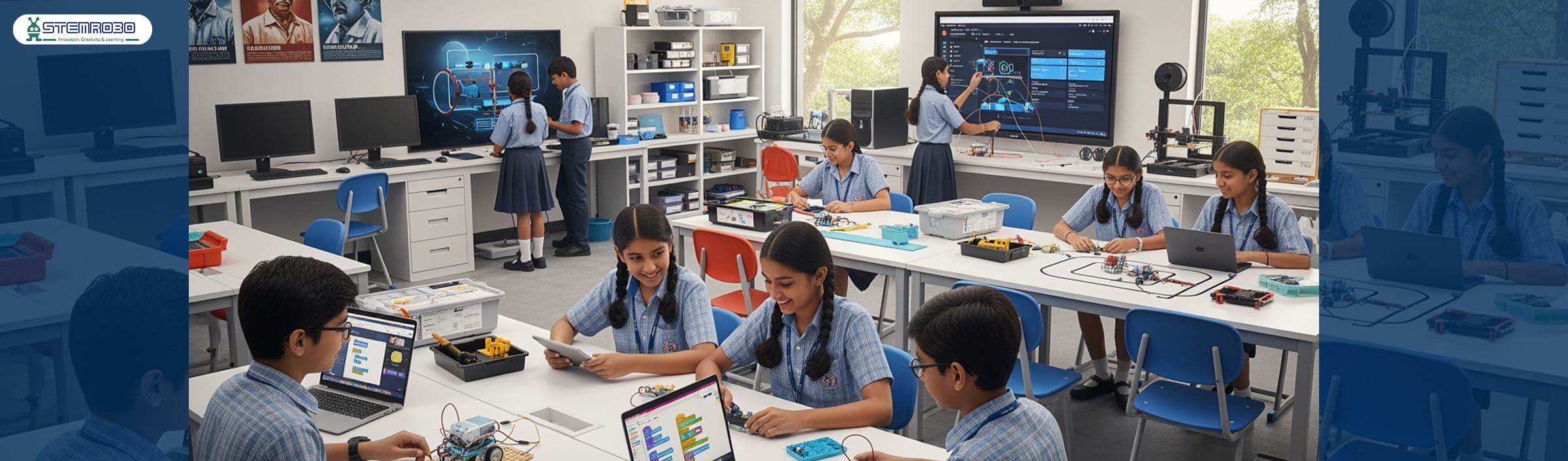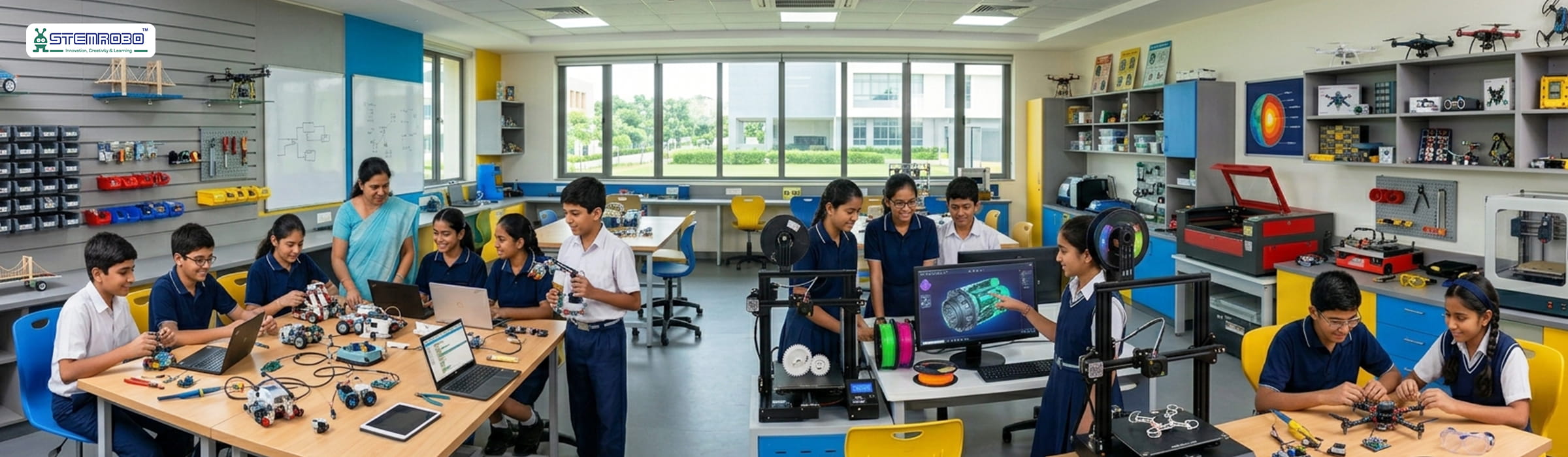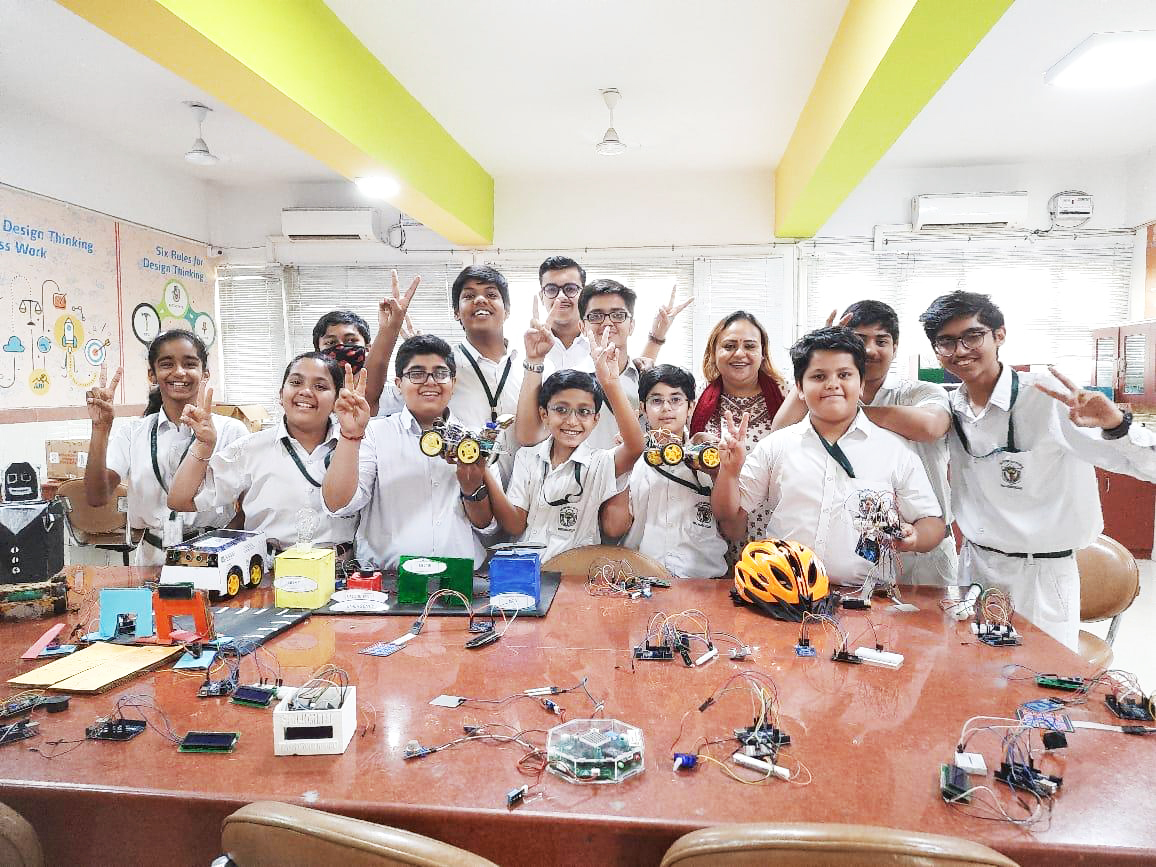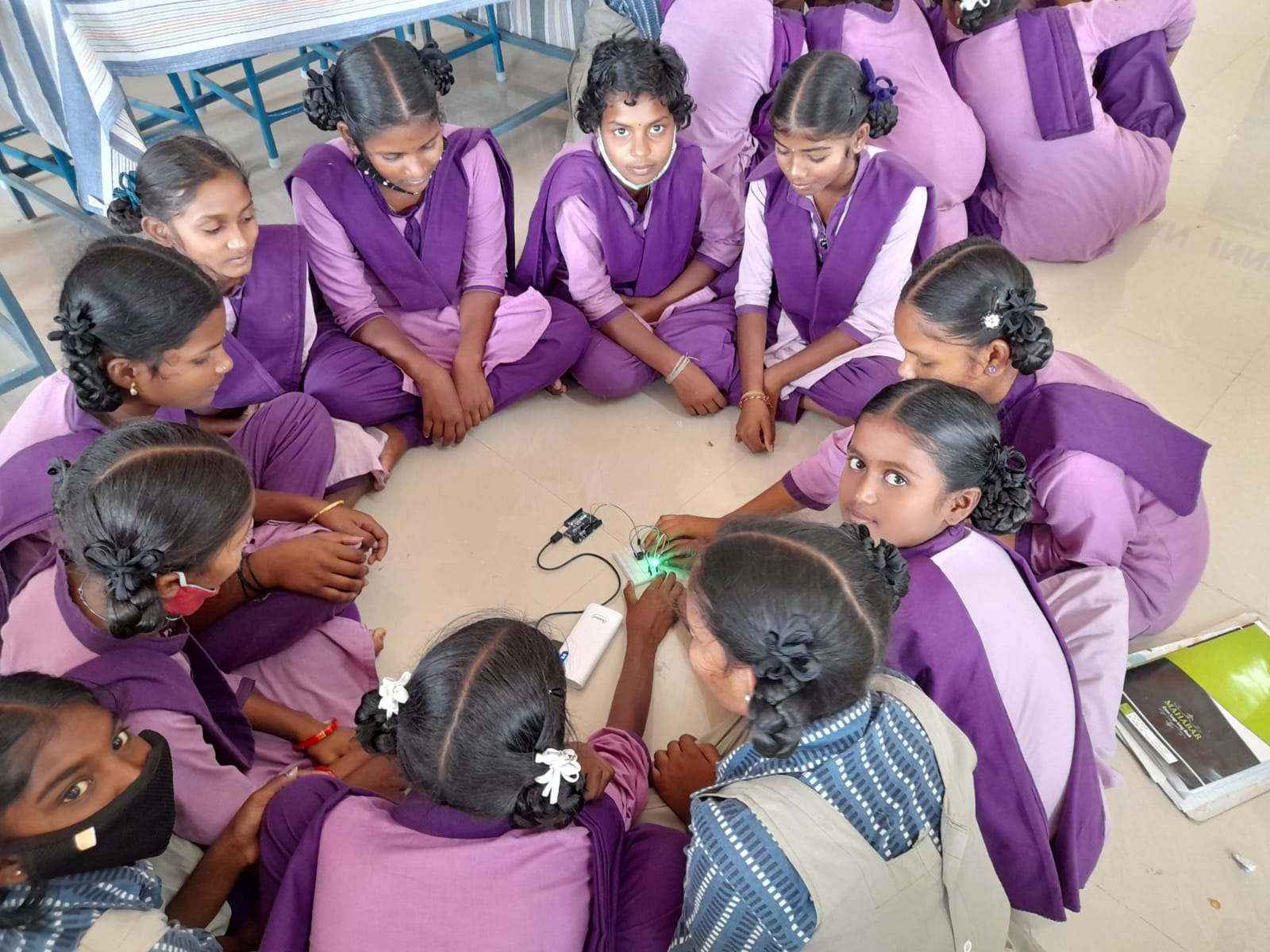

If you’ve been hearing the terms Atal Tinkering Lab or ATL Lab more frequently lately, you’re not alone. Across India, schools are turning empty rooms into buzzing innovation spaces where students build robots, code AI models, design 3D prototypes, and solve real-world problems – all before finishing high school. This is exactly what the Government of India’s Atal Innovation Mission envisioned when it launched the ATL program, and the results are extraordinary.
In this comprehensive guide, we walk you through everything you need to know about ATL Labs – what they are, why they matter, how to set one up in your school, what activities take place inside, and how STEMROBO Technologies can be your trusted partner in this journey.
What Is an Atal Tinkering Lab (ATL Lab)?
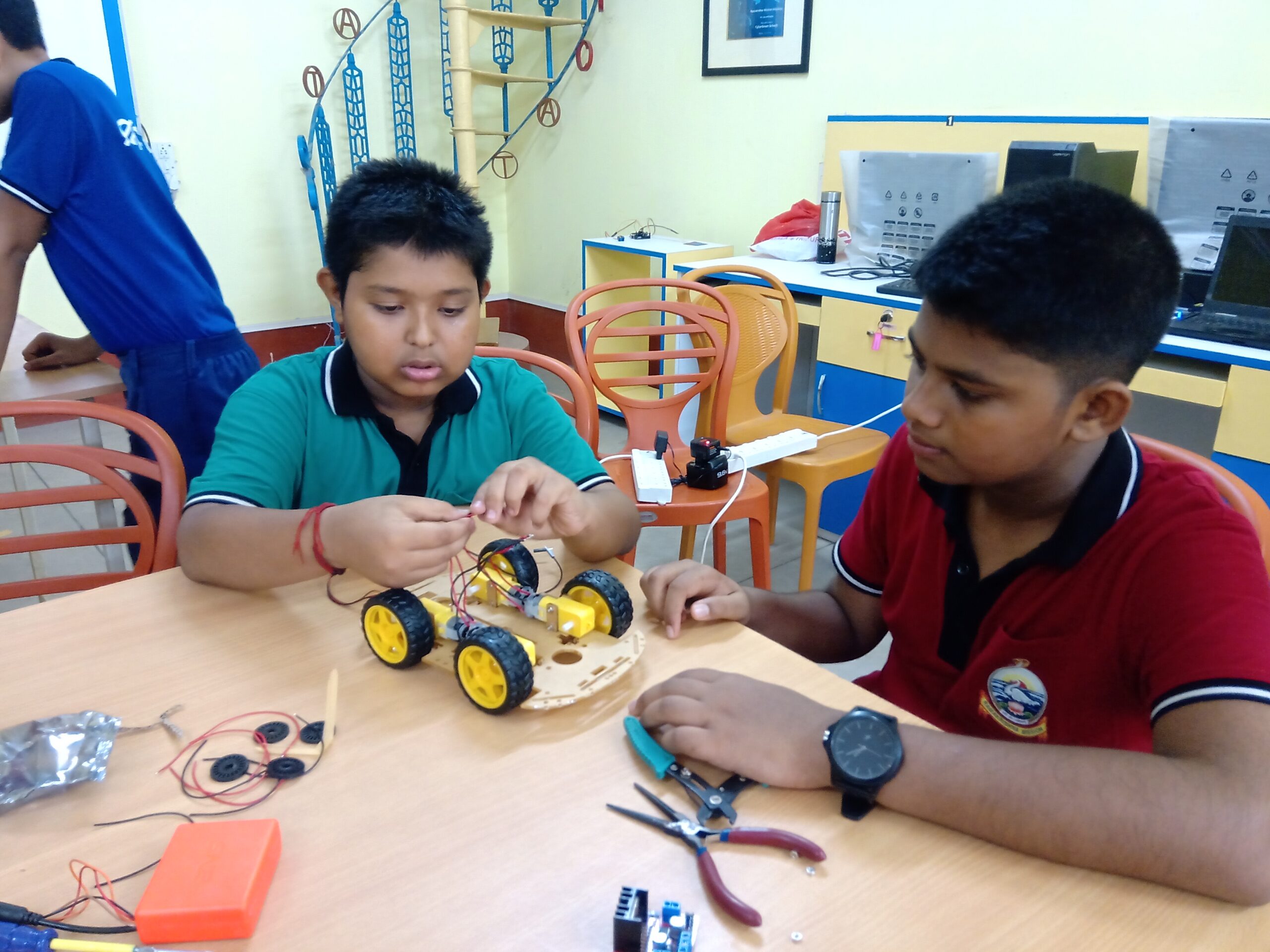
An Atal Tinkering Lab – commonly called an ATL Lab – is a dedicated innovation and maker space set up inside schools to give students aged 6 to 18 hands-on exposure to modern technologies. Established under the Atal Innovation Mission (AIM), an initiative of NITI Aayog, ATL Labs are designed to move education away from passive textbook learning and towards active, project-based exploration.
Inside an ATL Lab, students work with tools and technologies such as:
- Robotics kits and programmable microcontrollers
- Coding platforms like Scratch, Python, and Arduino IDE
- 3D printers and CAD design software
- Artificial Intelligence (AI) and Machine Learning (ML) modules
- Internet of Things (IoT) sensors and smart devices
- Augmented Reality (AR) and Virtual Reality (VR) equipment
- Drone kits and basic electronics components
The core philosophy behind every ATL Lab is simple: Learning by Doing. When children build something with their own hands – a working robot, a smart home sensor, or an AI prototype – the learning is deep, lasting, and exciting. More importantly, students begin to see themselves as creators, not just consumers of technology.
Why ATL Labs Are a Game-Changer for Indian Education
The traditional education system, while producing strong academic achievers, has historically left a gap between theoretical knowledge and practical application. ATL Labs were designed specifically to bridge that gap. Here’s why they are transforming schools across India:
Nurturing Innovation from an Early Age
Children are naturally curious. An ATL Lab gives that curiosity a structured outlet. Instead of wondering “how does this work,” students in an Atal Tinkering Lab can actually build it and find out.
Building 21st-Century Skills
Employers and universities around the world want problem-solvers, critical thinkers, and collaborators. ATL Labs actively develop these skills through real projects, team challenges, hackathons, and competitions rather than standardized tests.
Levelling the Playing Field
One of the most powerful aspects of the ATL program is inclusivity. ATL Labs are accessible to students regardless of gender, economic background, or geography – including rural schools that have historically had limited access to quality STEM education.
Aligning with India’s National Education Goals
ATL Labs are a cornerstone of India’s Digital India, Make in India, and NEP 2020 vision. They create the grassroots pipeline of innovators and entrepreneurs that a growing economy needs to remain globally competitive.
How to Set Up an Atal Tinkering Lab in Your School
The Atal Tinkering Lab setup process is well-defined and structured. Here is a step-by-step guide to help your school get started:
Step 1 – Allocate a Suitable Space
Your ATL Lab needs a minimum dedicated space of around 1,000 sq. ft. The room should have good ventilation, sufficient electrical outlets, stable internet connectivity, and a flexible layout that supports both individual work and group collaboration.
Step 2 – Apply Through the Official AIM Portal
Schools register and apply via the Atal Innovation Mission (AIM) portal. Both government and private schools meeting the eligibility criteria can apply. Selected schools receive a grant-in-aid of Rs. 20 lakhs over five years – Rs. 10 lakhs for capital expenses and Rs. 10 lakhs for operational costs.
Step 3 – Procure Approved Equipment
Once the grant is approved, schools follow official procurement guidelines to purchase robotics kits, computers, electronics components, 3D printers, and other approved tools from certified vendors.
Step 4 – Install and Configure the ATL Lab
Equipment is set up, workbenches arranged, software installed, and the space is organized to be intuitive and safe for students. Good labeling and cable management make a big difference at this stage.
Step 5 – Train Your Teachers
An ATL Lab is only as effective as the educators guiding it. Teachers need structured training on ATL tools, activity design, and student facilitation. STEMROBO Technologies offers comprehensive educator training programs designed specifically for ATL environments.
Step 6 – Launch with Workshops and Competitions
Once the lab is ready, maintain momentum through regular workshops, inter-school competitions, hackathons, and innovation exhibitions. Participation in national ATL Marathons and AIM competitions helps students gain exposure and recognition.
What Happens Inside an ATL Lab? Activities and Learning Outcomes
ATL Labs follow a flexible, activity-based learning model tailored to the age and interests of students. There is no single fixed curriculum, which means schools and educators have the freedom to design experiences that genuinely resonate with their students. Typical activities include:
- Building and programming robots to complete specific tasks or challenges
- Designing and 3D-printing real-world objects and prototypes
- Coding interactive applications using Scratch, Python, or Arduino
- Building smart home and IoT-based devices
- Training simple AI models to recognize patterns, images, or speech
- Constructing electronic circuits and learning component fundamentals
- Developing drone navigation and aerial photography projects
- Working on social impact solutions tied to UN Sustainable Development Goals (SDGs)
These activities culminate in exhibitions, demo days, and competition submissions where students present their prototypes to peers, parents, and external judges. The sense of ownership students feel when showcasing something they built themselves is genuinely transformative.
Real-Life Impact: Innovations Emerging from Atal Tinkering Labs
The most compelling argument for ATL Labs is not found in policy documents – it is found in the projects that students are actually building. Here are a few examples of student-led innovations from Atal Tinkering Labs across the country:
Smart Irrigation Sensors for Water-Scarce Regions
Students from rural Maharashtra developed low-cost water-level sensors for agricultural use, helping farmers manage irrigation efficiently during droughts – a direct solution to a problem in their own community.
AI-Based Road Accident Alert Systems
Young innovators designed a prototype that detects sudden vehicle impact and automatically sends emergency alerts to hospitals and family members, potentially saving lives in remote areas.
Health Monitoring Wearables
A group of Class 9 students built a simple wearable device that tracks heartbeat and body temperature, making basic health monitoring accessible at almost zero cost.
Smart Cane for the Visually Impaired
Using ultrasonic sensors and a microcontroller, students designed a cane that vibrates when it detects nearby obstacles – a project that combined technical skill with genuine empathy.
These are not isolated stories. The Atal Innovation Mission reports that over 10,000 ATL Labs have been established in Indian schools, reaching millions of students. ATL alumni are going on to found startups, win international competitions, and enter STEM careers with a portfolio of real-world experience that their peers simply cannot match.
Common Challenges and How to Overcome Them
Running an ATL Lab is deeply rewarding, but schools that are aware of common challenges are far better positioned to address them proactively:
Shortage of Trained Educators
Most teachers weren’t trained in robotics or AI – and that’s perfectly fine. The solution is regular, structured professional development. STEMROBO’s educator training programs equip teachers with exactly the confidence and skills they need.
Equipment Maintenance
Robotics kits and electronics components wear over time. Schools should allocate a maintenance budget and establish an ongoing relationship with their ATL partner for support and spare parts.
Sustaining Student Engagement
The initial excitement of a new lab can fade without fresh challenges. Schools that keep engagement high run regular competitions, add new activity modules each term, and set up peer mentorship programs.
Long-Term Funding
The AIM grant covers the first five years, but sustainability requires planning. Partnerships with CSR-funded EdTech companies and additional grant applications can keep the lab well-resourced beyond the initial period.
How STEMROBO Technologies Supports Your Atal Tinkering Lab Journey
STEMROBO Technologies is one of India’s leading EdTech companies specializing in STEM, AI, and robotics education for K-12 schools. With a proven track record of setting up and running successful Atal Tinkering Labs across the country, here’s what STEMROBO brings to your institution:
- End-to-end ATL lab setup including space planning, equipment procurement, and installation
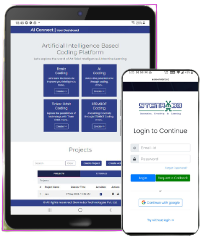
- Proprietary AI-powered learning platform (AI Connect) designed for K-12 students
- Age-appropriate robotics and AI curriculum aligned with AIM guidelines and NEP 2020
- Comprehensive educator training programs for confident, skilled ATL facilitation
- Ongoing maintenance support and consumables supply
- Assistance with ATL competition preparation and national rankings
- Integration of AR/VR tools, drone kits, and IoT modules into the ATL experience
- Learning Management System (LMS) for tracking student progress and activity outcomes
STEMROBO has successfully established ATL labs in thousands of schools across India and continues to grow internationally. If your school is looking for an experienced, reliable partner for your Atal Tinkering Lab setup, STEMROBO is the name thousands of school leaders already trust.
ATL Labs and the Future of Education in India
India is at a pivotal moment. With the world’s largest youth population and a rapidly expanding technology sector, the country needs innovators, not just degree-holders. Atal Tinkering Labs are one of the most direct, tangible investments India can make in shaping that future.
Former ATL students are founding startups, winning global robotics championships, and securing spots at premier institutions like IITs and NITs – with real-world project portfolios that give them a head start no amount of rote learning can replicate.
The ATL program also aligns perfectly with NEP 2020’s vision of competency-based, experiential education. Schools that invest in ATL Labs today are not just compliance-ready – they are genuinely future-ready.
Conclusion: The Time to Set Up Your ATL Lab Is Now
Whether you are a school principal exploring options, a teacher champion who wants to bring change to your campus, or a parent advocating for better outcomes, the message is clear: Atal Tinkering Labs work. They spark curiosity, build confidence, develop skills, and produce young people who are genuinely ready for the world ahead of them.
Setting up an ATL Lab in your school is not just about following a government mandate. It is about choosing to give your students a better shot at the future. And with the right partner – STEMROBO Technologies – the journey from empty classroom to thriving innovation hub is entirely within reach.
Ready to set up your Atal Tinkering Lab? Visit STEMROBO Technologies at https://www.stemrobo.com/atal-tinkering-lab/
Frequently Asked Questions About ATL Labs
What is an ATL Lab?
An ATL Lab (Atal Tinkering Lab) is an innovation and maker space set up in schools under the Atal Innovation Mission. Students use it to learn through hands-on projects involving robotics, AI, coding, 3D printing, and more.
Who is eligible to apply for an ATL grant?
Both government and private schools in India with students from Class 6 onwards are eligible. The school must have basic infrastructure and a commitment to running the lab for at least five years.
How much funding does an ATL Lab receive?
Selected schools receive Rs. 20 lakhs in total – Rs. 10 lakhs for capital equipment and Rs. 10 lakhs for operational expenses – distributed across five years.
Can a school set up an ATL Lab without a government grant?
Yes. Schools can self-fund an Atal Tinkering Lab setup with the help of an EdTech partner like STEMROBO Technologies, which provides all necessary equipment, curriculum, and training regardless of grant status.
What subjects does an ATL Lab cover?
ATL Labs cover robotics, coding, AI and ML, electronics, IoT, 3D design and printing, drone technology, AR/VR, and design thinking – essentially the full spectrum of STEM skills needed for the future.
How does STEMROBO help with ATL Lab setup?
STEMROBO provides end-to-end ATL Lab setup services: equipment procurement, installation, curriculum design, teacher training, and ongoing maintenance support to ensure long-term impact.