Today, moving from a traditional curriculum towards a curriculum fueled by innovation is no longer a choice but a necessity. Educational institutions are not merely tasked with following the book; they are required to shape students for an ever-changing, tech-driven world. This is exactly where Atal Tinkering Labs come into play.
An initiative taken up by the Atal Innovation Mission (AIM), the core of an ATL is to stimulate the imagination, innovative spirit and an ardent sense of curiosity in children. However, it takes much more than just finances and equipment to get a working Atal Tinkering Lab going – careful planning, foresight and disciplined execution are a few key elements.
In this guide, we attempt to give a novel look into how an ATL can be initiated and managed in schools.
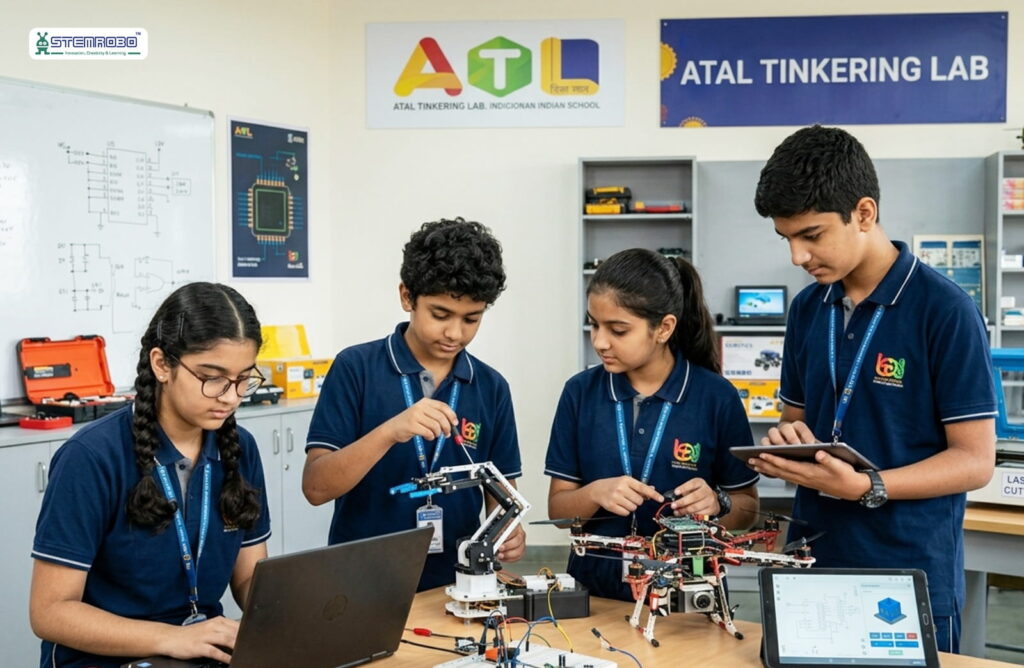
Understanding the Purpose of ATL
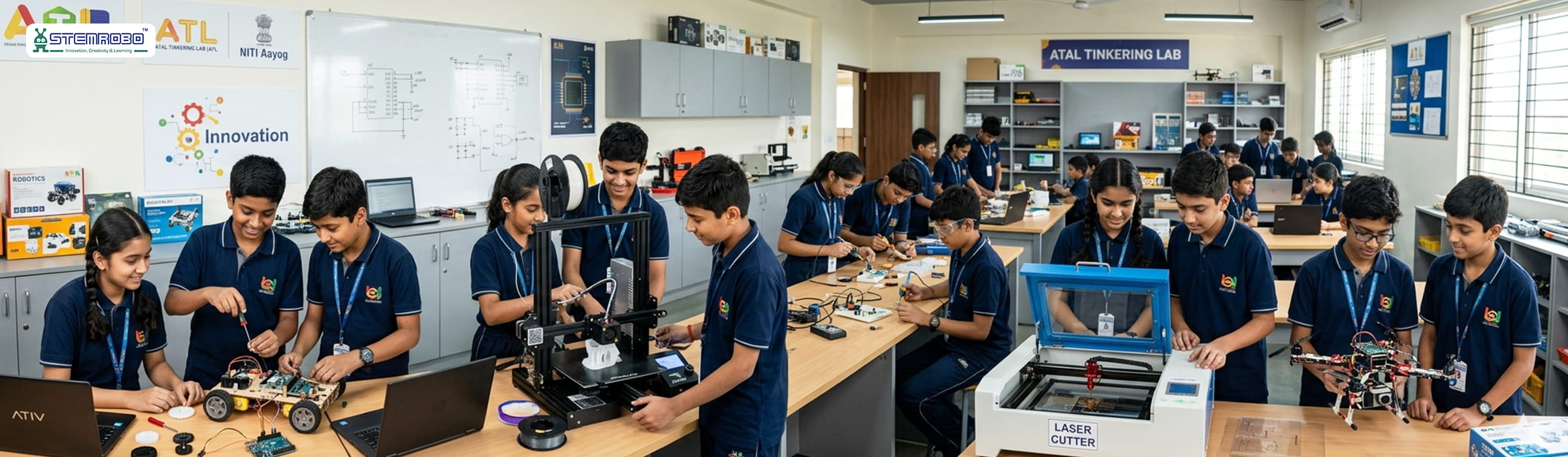
An Atal Tinkering Lab is more than a space that contains equipment; it is an innovation ecosystem within the school.
The major goals are:
- Promote critical thinking of students
- Stimulate creativity through practical learning and problem-solving
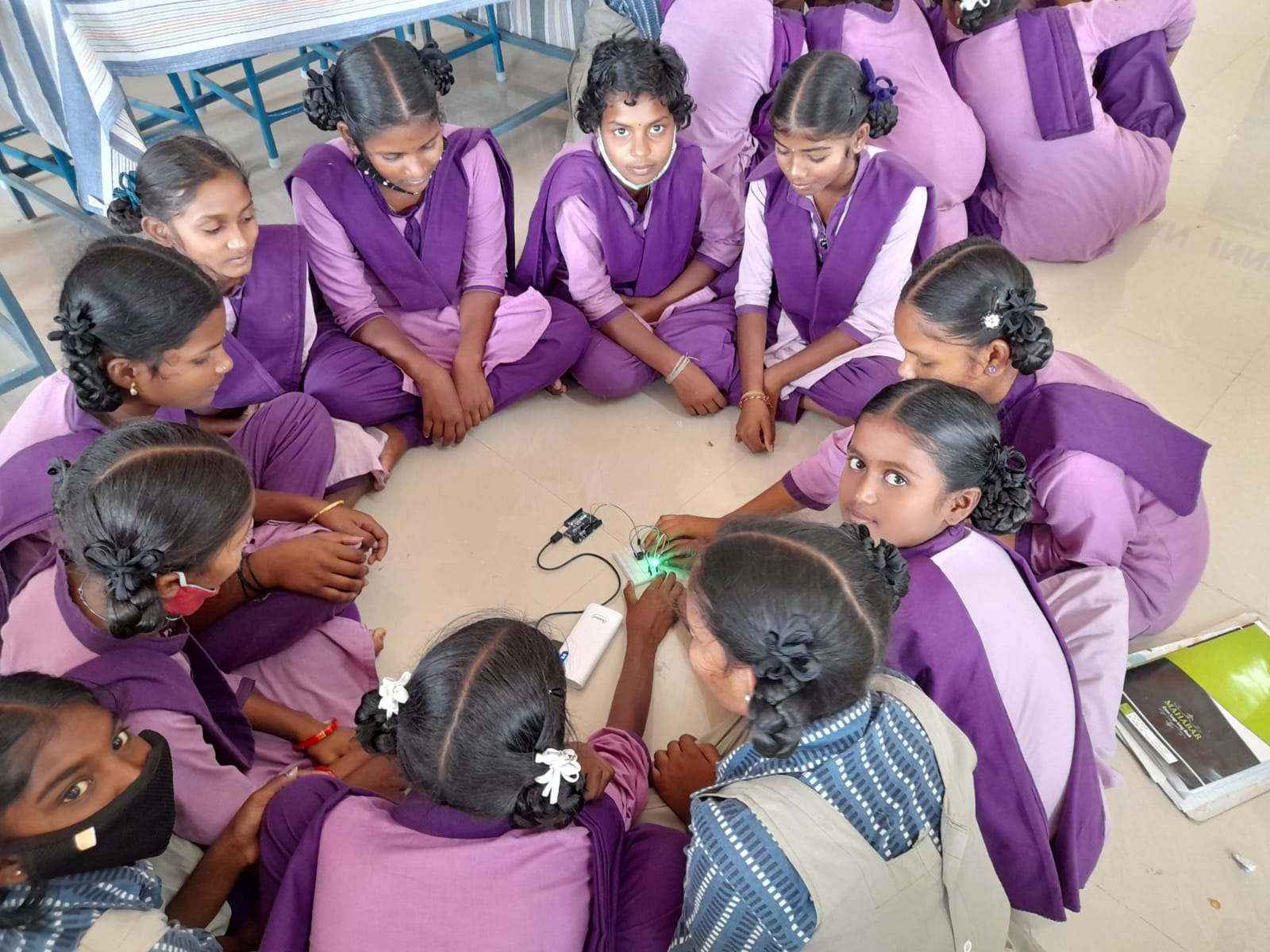
- Provide hands-on experience of recent technologies like Robotics, AI, IoT.
- Develop maker culture among students.
In a nut-shell, an ATL turns students from knowledge seekers to knowledge creators.
Step 1: Define Your School’s Vision
An ATL Lab is more than a space that contains equipment; it is an innovation ecosystem within the school.
The major goals are:
- Promote critical thinking of students
- Ignite creativity through application and problem-solving
- Offer first-hand experience with modern technologies such as Robotics, AI, and IoT.
- Develop maker culture among students.
In a nut-shell, an ATL turns students from knowledge seekers to knowledge creators.
Step 2: Apply Through the Official Channel
The schools may apply by registering themselves on Atal Innovation Mission portal when application window opens.
The major parameters on which selected:
- Leadership of school
- Readiness of infrastructure
- Student engagement model
Selected schools get financial support, but pre-hand planning makes it favorable for selection.
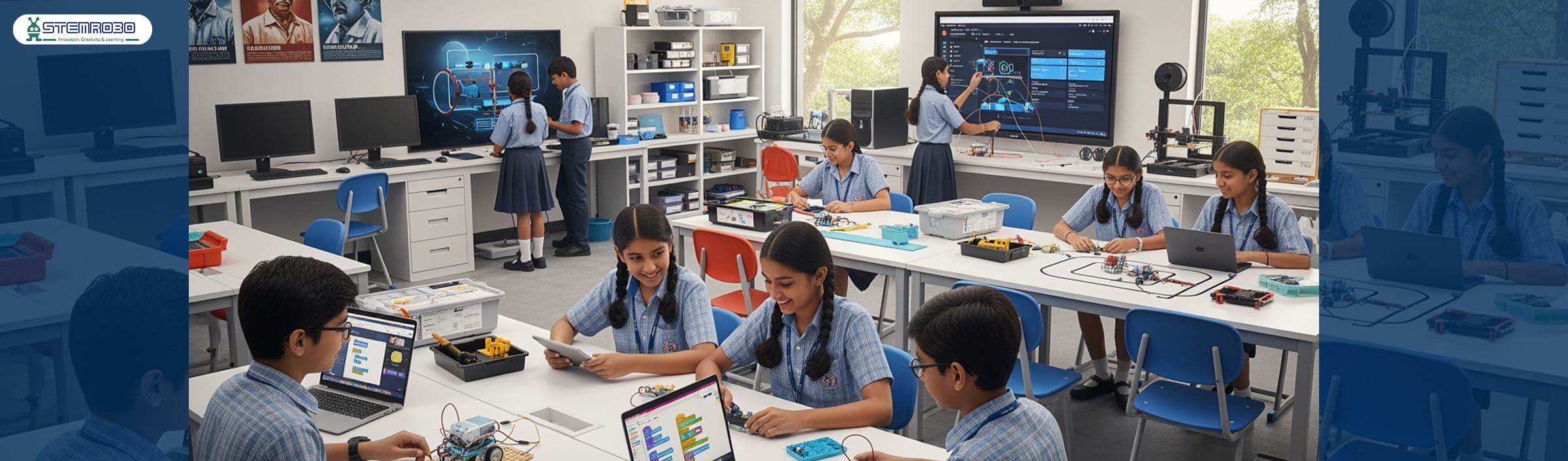
Step 3: Design a Flexible and Creative Space
ATL labs, unlike a traditional lab setting, should foster creativity.
Factors to consider:
- Open space for collaboration
- Modular furniture to be adaptable
- Specific areas for construction, testing, and conceptualization
Students should be able to feel free to tinker- even with the possibility of failure.
Step 4: Choose the Right Tools and Technology
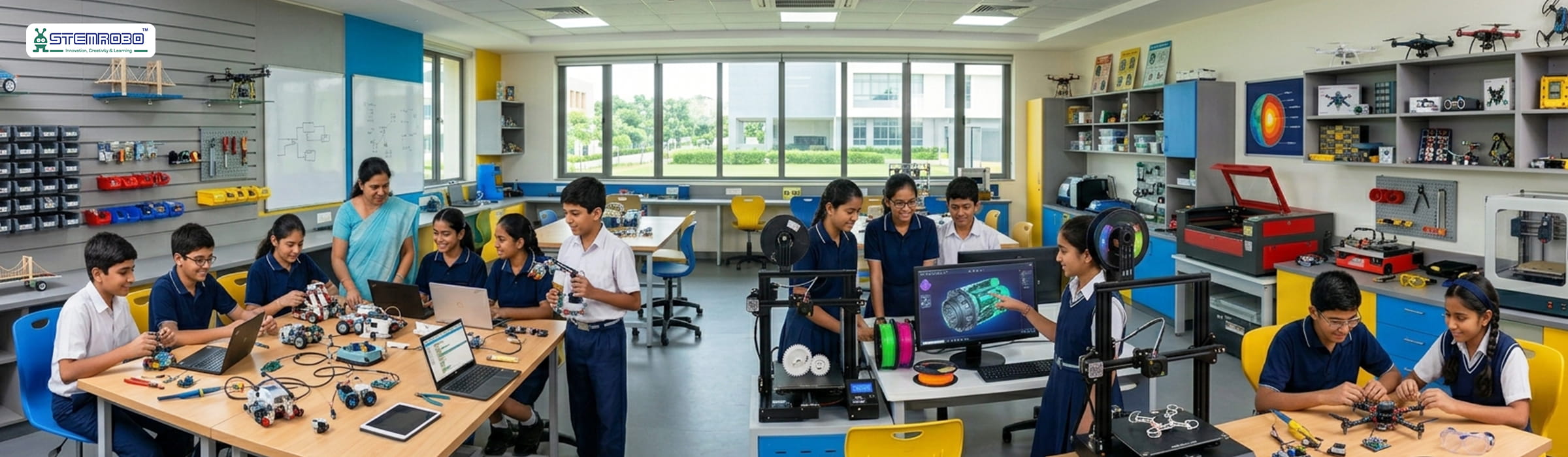
ATL needs a combination of basic and advanced tools. The following can be categorized under ATL essential components:
- Electronic and circuit kits
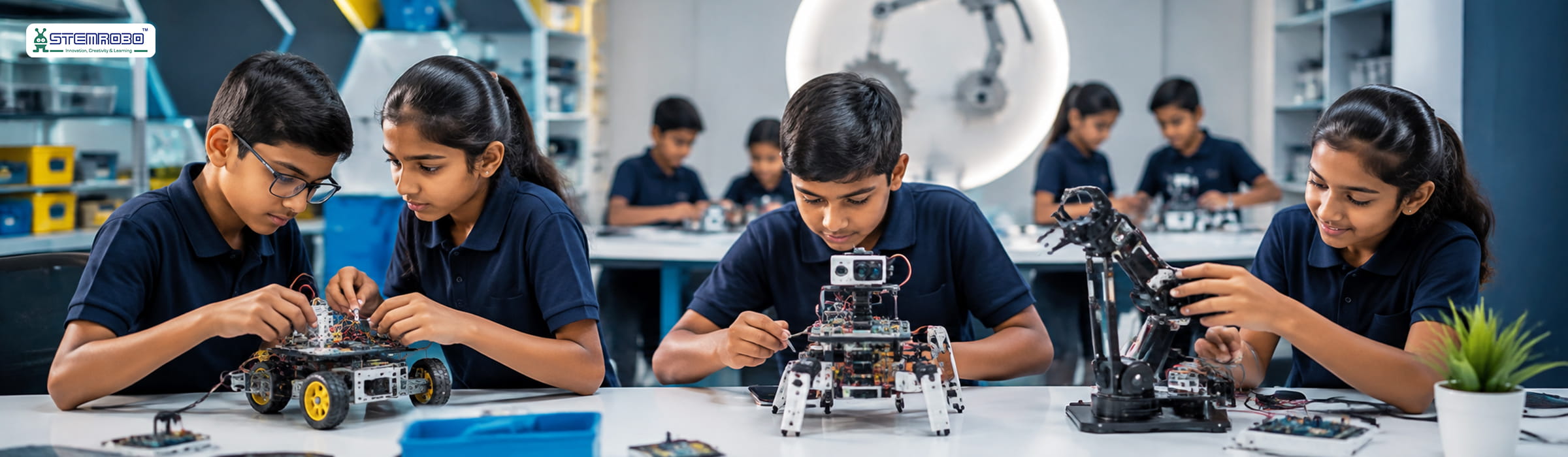
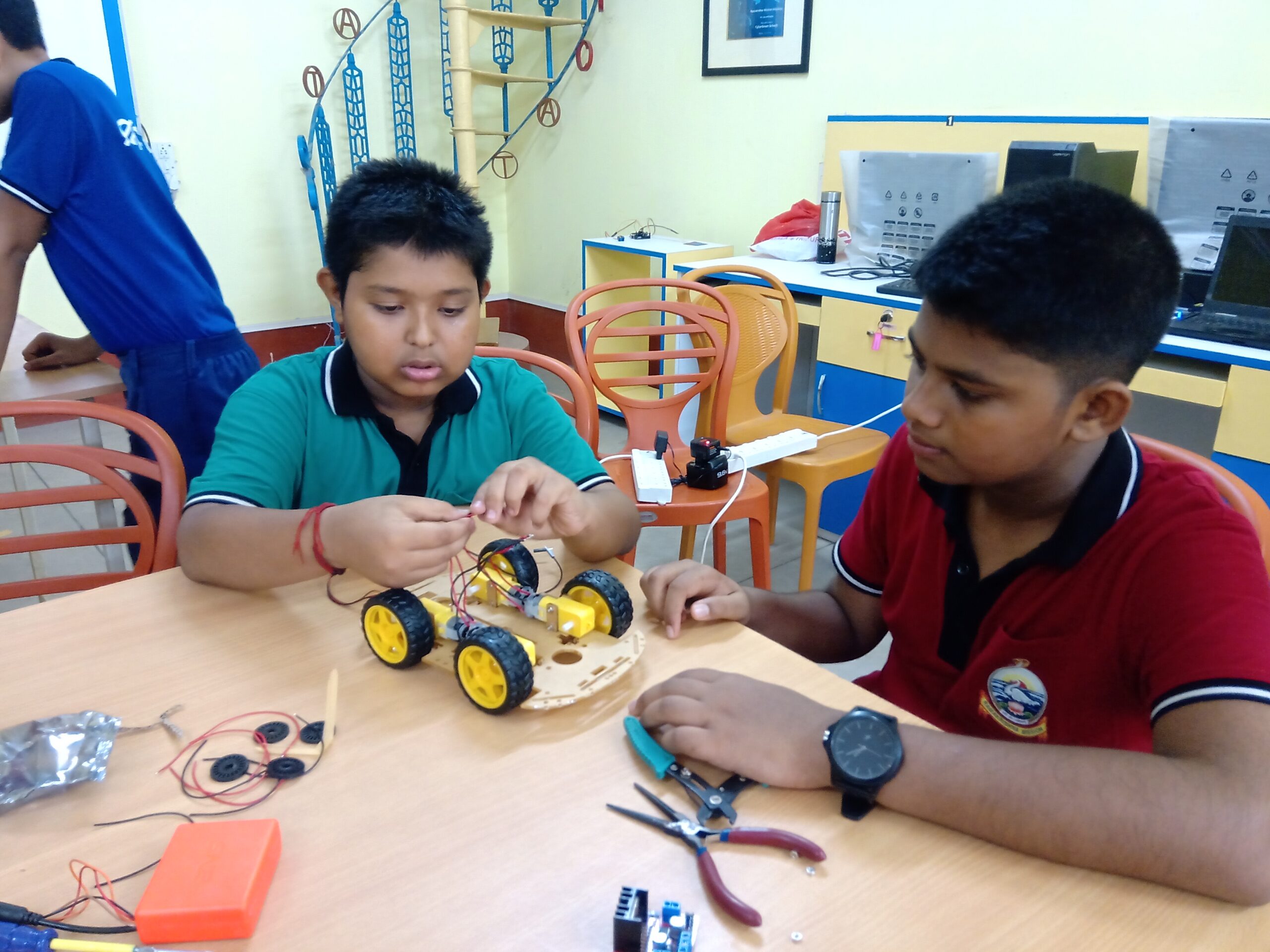
- Robotics kits
- Microcontrollers and sensors
- 3D printers and prototyping equipment
- Computers with coding environment
Rather than blindly purchasing these instruments, it is essential that institutions take into consideration compatibility and sustainability of the tools before buying.
A lot of schools get out of this hassle by collaborating with STEM solution providers which provide complete packages that consist of these instruments, along with a system and support that integrates these tools into the school, much like STEMROBO Technologies which helps schools through curated ATL kits and implementation assistance to go from planning and setting up to the execution of the learning system
Step 5: Build Teacher Capability
Even with a robust lab, it will be fruitless without mentors who are comfortable in their domain.
Mentors need to be skilled in:
- Basic electronics and robotics
- Coding platforms (e.g. Scratch, Python, Arduino)
- Design thinking and innovation methods
On-going upskilling is essential for mentors to continue offering support and expertise.
Step 6: Integrate ATL Into the School System
Many schools’ mistake: treat ATL as something extra.
Instead:-
- Schedule some weekly time for Atal Tinkering Lab
- Connect ATL projects to science or math, etc.
- Promote interdisciplinary learning
E.g., you can use a simple robot to teach physics’ concepts, such as motion.
Step 7: Encourage Real-World Problem Solving
ATL can make sense to students when they undertake real-world problems.
Inspire them to:
- identify problems in their environment
- ideate realistic solutions
- develop a prototype and test the solution
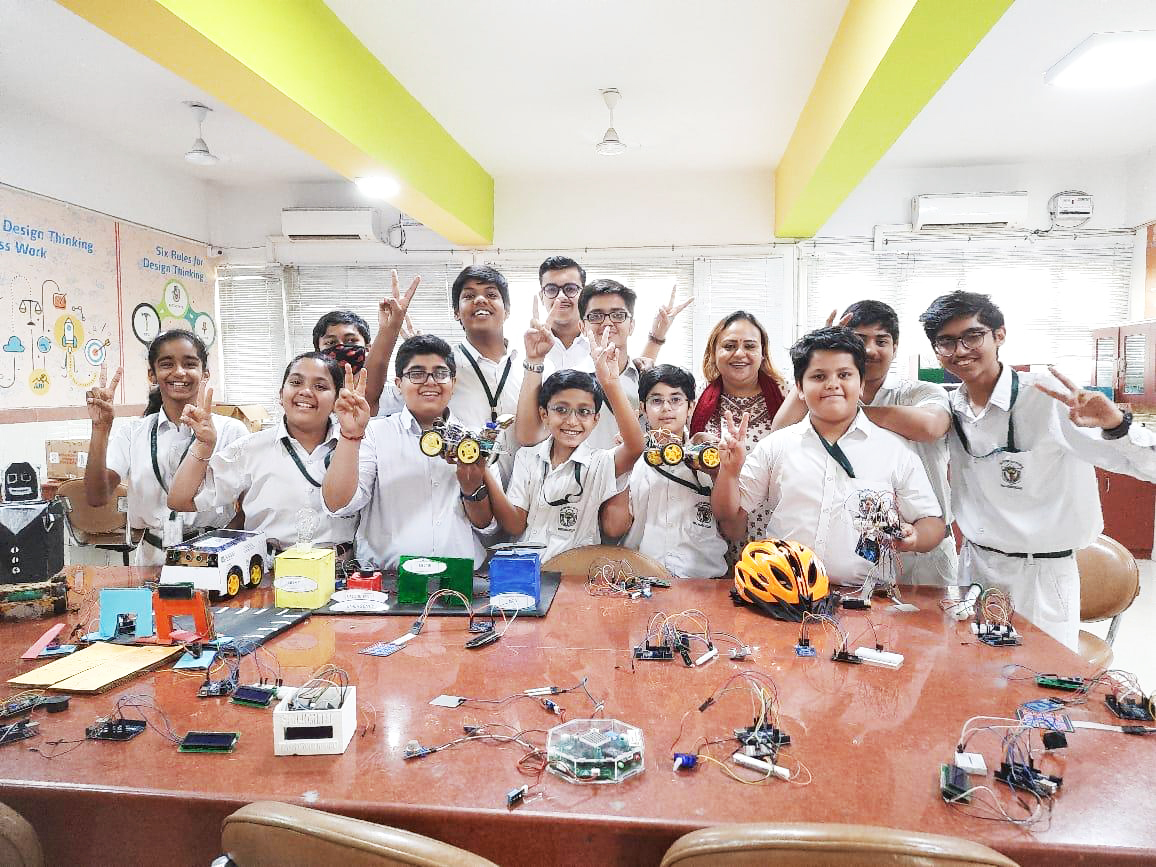
Sample projects:
- smart dustbin for waste segregation
- automatic plant watering system
- cost-effective healthcare monitoring gadgets
This promotes the culture of innovation and entrepreneurship.
Step 8: Participate in Competitions and Challenges
Students participating in Atal Tinkering programs should involve themselves in:
- ATL Marathon
- Science exhibitions
- Robotics competition
They serve as a learning platform with inspiration and encouragement with due credit to them
Step 9: Collaborate Beyond the Classroom
ATL Lab should connect students with the outside world.
Schools can:
- Invite industry experts for workshops
- Partner with tech organizations
- Organize innovation talks and hackathons
Such interactions help students understand real-world applications of their ideas.
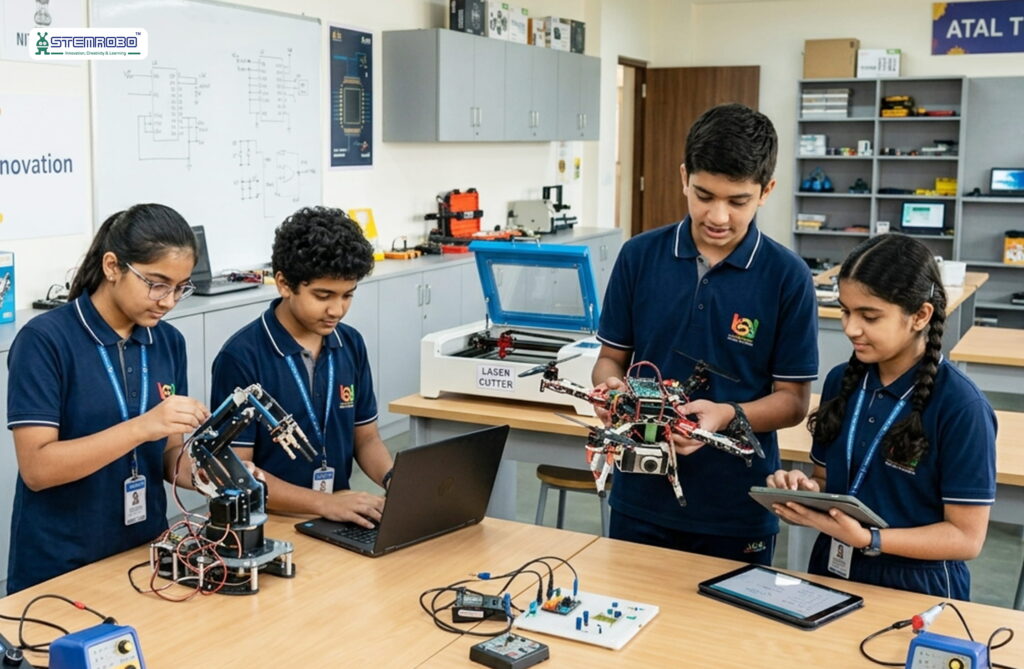
Step 10: Ensure Sustainability and Growth
Setting up Atal Tinkering Lab is just the beginning—maintaining it is equally important.
Focus on:
- Regular equipment maintenance
- Updating tools and technologies
- On-going teacher development
- Monitoring student achievements
When the school treats ATL as a long term investment the outcome is better.
Challenges Schools May Face
1. Initial Confusion on Implementation
Many schools struggle with where to start.
Solution: Follow a structured plan and seek expert guidance.
2. Low Student Participation
Sometimes students hesitate to engage.
Solution: Start with simple, fun projects to build interest.
3. Lack of Consistency
ATL activities may slow down over time.
Solution: Integrate Atal Tinkering Lab into the academic schedule.
4. Technical Issues
Handling equipment can be challenging.
Solution: Ensure vendor support and regular training.
What Makes an ATL Truly Successful?
However, an effective ATL is not necessarily about the devices or the cost. What is essential is how effectively the ATL is utilized as a learning and innovation tool. Real learning and application will occur when students are given frequent hands-on opportunities and the scope to turn their ideas into a functional product.
Some critical indicators of success of an ATL include students individually making projects, actively taking part in innovation challenges, working as a team and developing a practical grasp of theoretical concepts. These elements would convert theoretical knowledge into practical expertise.
Such focus will help the school to develop a sustainable culture of innovation which in turn will bring in students with innovative, creative, and future-ready mindset.
The Role of the Right Implementation Partner
Execution is critical to the success of the ATL Lab. Without proper implementation and daily use of the ATL, having a well-equipped ATL will not have the desired impact. The effectiveness depends on its application to learning processes.
Working with expert STEM providers for the Atal Tinkering Lab gives schools access to efficient set-up, guided curriculum, steady mentorship and optimized utilization of resources. Schools that partner with experts have hands-on and impact-oriented active ATL.
Stemrobo Technologies has been providing services not only for the provisioning of the ATL labs but maintaining it with programs and mentorship as a live innovation hub.
Long-Term Impact on Students
Atal Tinkering Lab develops students’ thinking skills by analyzing and solving problems as opposed to recalling facts and figures.. Students also feel more confident when using modern technology as they actually interact with various technologies such as robotic kits, sensors and coding platforms.
Students enhance their problem solving ability and approach the issues and problems by creating solutions using the practical method. Students also discover more possible career opportunities that are related to engineering, robotics, AI and data science fields in ATL Lab.
Most importantly,ATL students understand the importance of “learning by doing” in order to gain more advantages in the future.
Launching an Atal Tinkering Lab is a well-calculated effort in making education future-ready, and it allows students to ideate, test, and find solutions for the problems of the present world-something that goes beyond the confines of academia.
Ultimately, the success of an Atal Tinkering Lab comes with diligence, planning and active involvement. When the right methods, infrastructure and support mechanisms are in place, the ATL can indeed emerge as a hub of innovation.
In a world where innovation is a key element in all spheres of life, a school that invests in innovation is not only nurturing students-but creating the innovators and leaders of tomorrow.