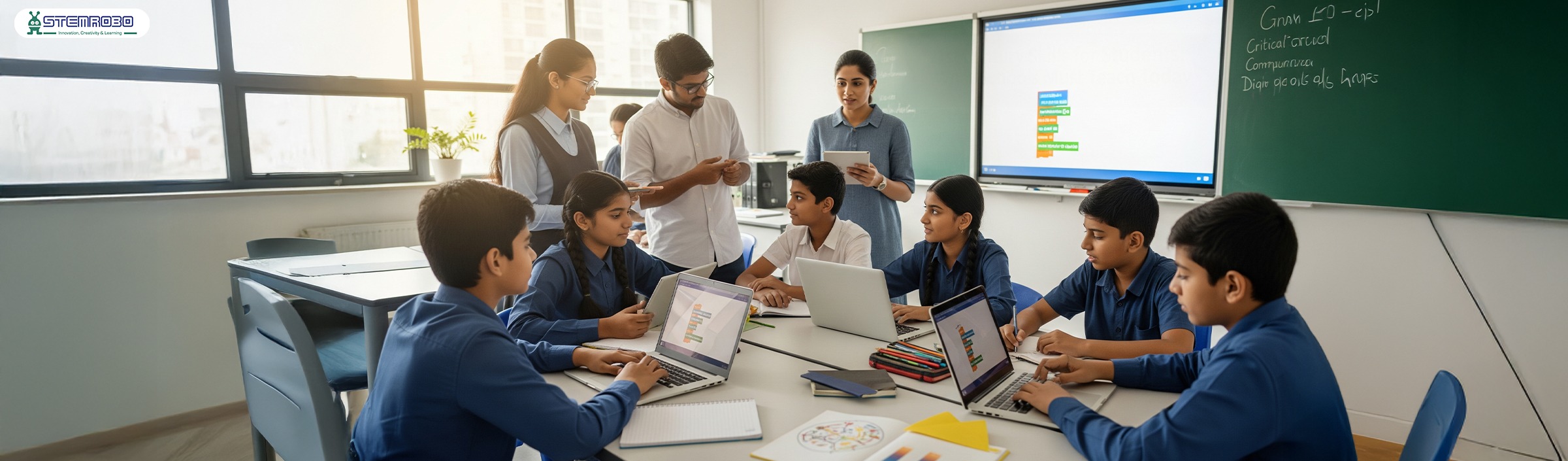
The world has changed faster in the last decade than it did in the previous fifty years.
The classroom is not just the place where the students would commit to heart the given information but instead is becoming a place where you could share ideas, raise new questions and learn real life skills. The classroom no longer is the place where students only memorize data, but is becoming a place to share ideas, to create new questions and to learn real life skills.
This revolution leads to a crucial question: are we training students only to pass tests or to to get by in life?
This is where what we know as the 21st century skills comes into play.
What Are 21st Century Skills?
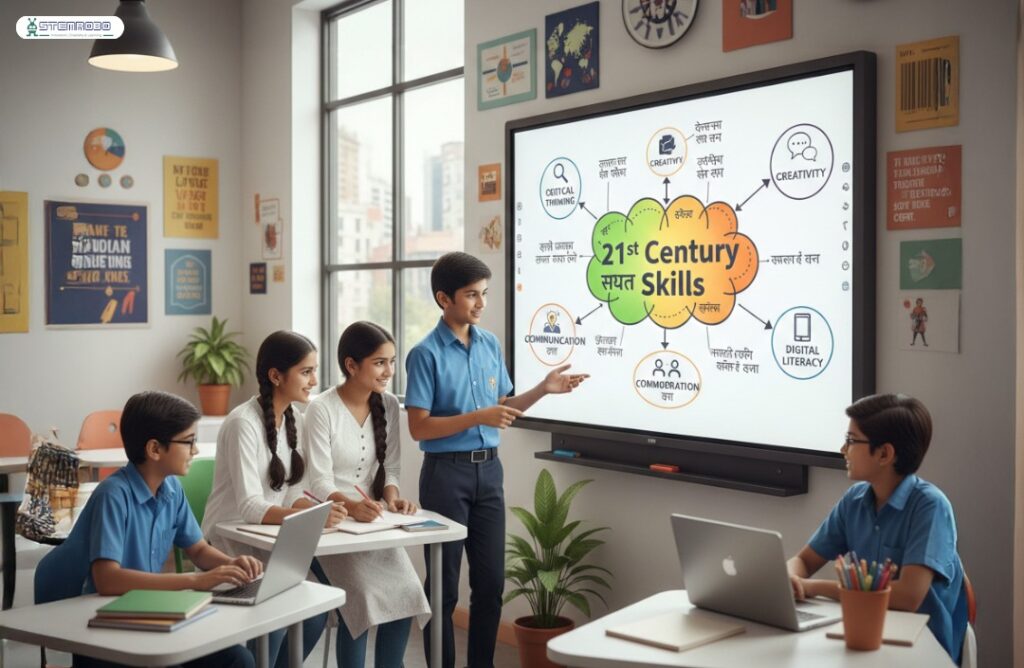
21st century skills aren’t about textbooks or the standard academic knowledge. They are about the specific skills which enable the students to be flexible, critical and successful in an ever-changing environment.
Below are some of the key skills needed:
- Critical thinking
- Creativity
- Communication
- Collaboration
- Digital literacy
- Problem-solving
- Emotional intelligence
It isn’t about just the ‘additional’ skills, but rather the ones becoming a necessary feature for the students as well as for the teacher.
Moving Beyond Traditional Learning
For decades, the model of learning has been simple: learn, memorize and replicate in exams. This approach may have been sufficient in the past, but the present and future are different.
In today’s world, simply knowing the answer isn’t the challenge, the challenge is knowing the right questions to ask.
It is important for students to learn how to use their knowledge and not just store it, to be independent thinkers and to work with others in a diverse and globalized world.
21st century skills provide these key attributes and so much more.
Why Students Need These Skills
In this era, students are entering a work environment which cannot even be imagined today. Jobs are changing in an instant due to automation, artificial intelligence, and a globally connected world.
For the current generations, these skills will enable them to…
1. Teach them HOW not WHAT to think
Critical thinking helps students to investigate any issues thoroughly before they develop carefully considered conclusions by considering assumptions and evidence behind any given statement.
2. Become Problem Solvers
Few solutions can be taken off the shelf, with critical thinking equipping students with the tools they need to brainstorm creative solutions that actually work.
3. Communicate Effectively
Whether speaking, writing, making an argument or conveying a picture of a specific issue in whatever way, the ability of communication clearly and precisely is absolutely paramount.
4. Learn to work in a group
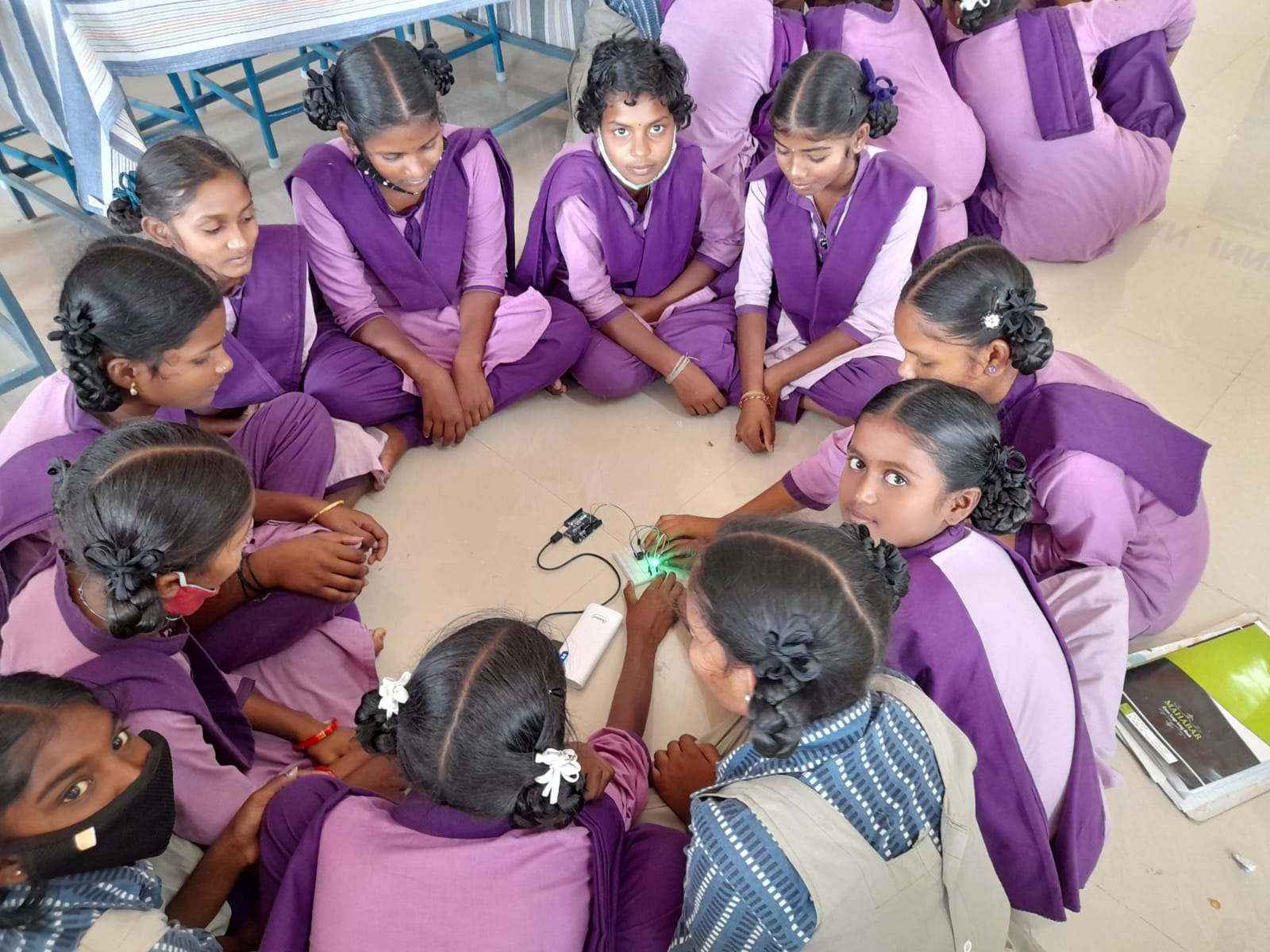
Learning to co-operate with any kind of people toward a specific end builds collaboration and teamwork skills.
5. Adapt to Change
Adaptability is not a luxury in today’s world of constant change, it’s essential.
Cultivating these five skills from a tender age will enable us to develop confident, competent and more resilient individuals.
Why Teachers Need 21st Century Skills Too
It is not only students but teachers that have a great deal to adjust.
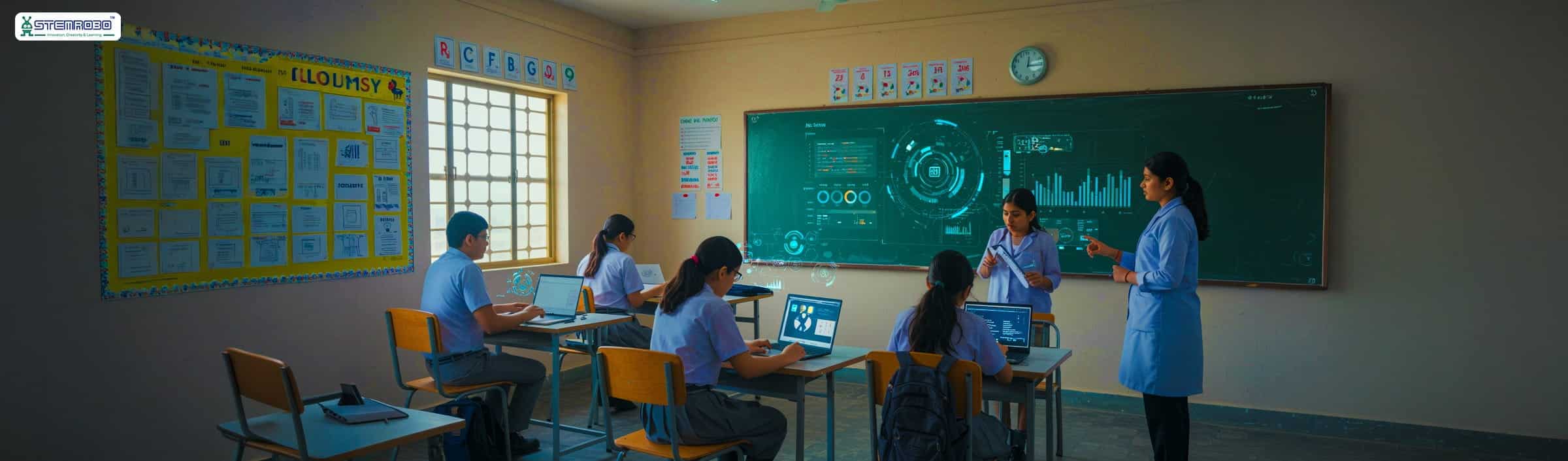
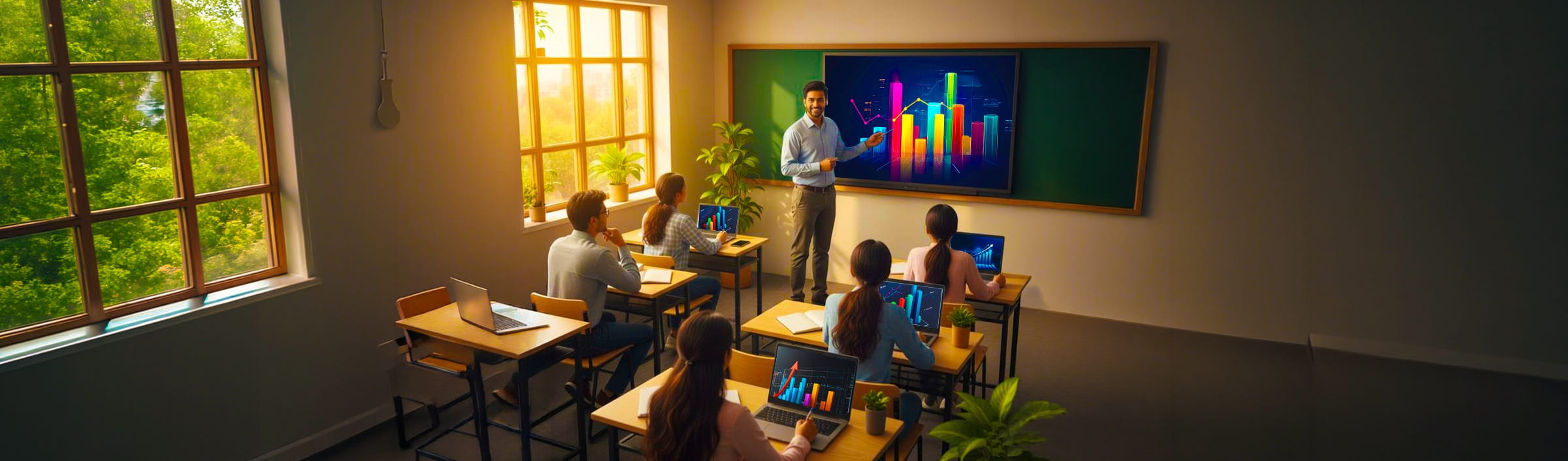
Classrooms of today are no longer institutions for receiving information; teachers are guides and facilitators.
To achieve this, teachers require:
- Digital literacy
- Data-driven insights
- Adaptability in teaching
- Continuous learning
By using these skills teachers can create a learning environment that is inclusive, dynamic and successful.
The Role of Technology in Building These Skills
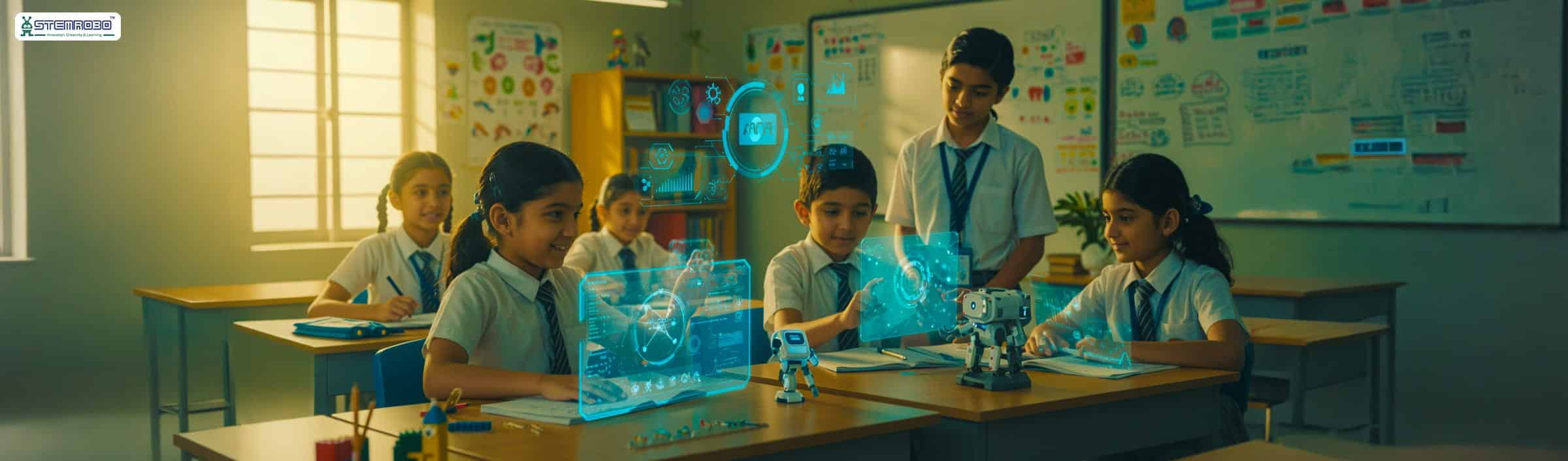
Technology isn’t just changing the way we teach and learn, it’s making learning possible.
Schools are now also offering the kinds of experiences with the use of modern technology that they could not do with old resources.
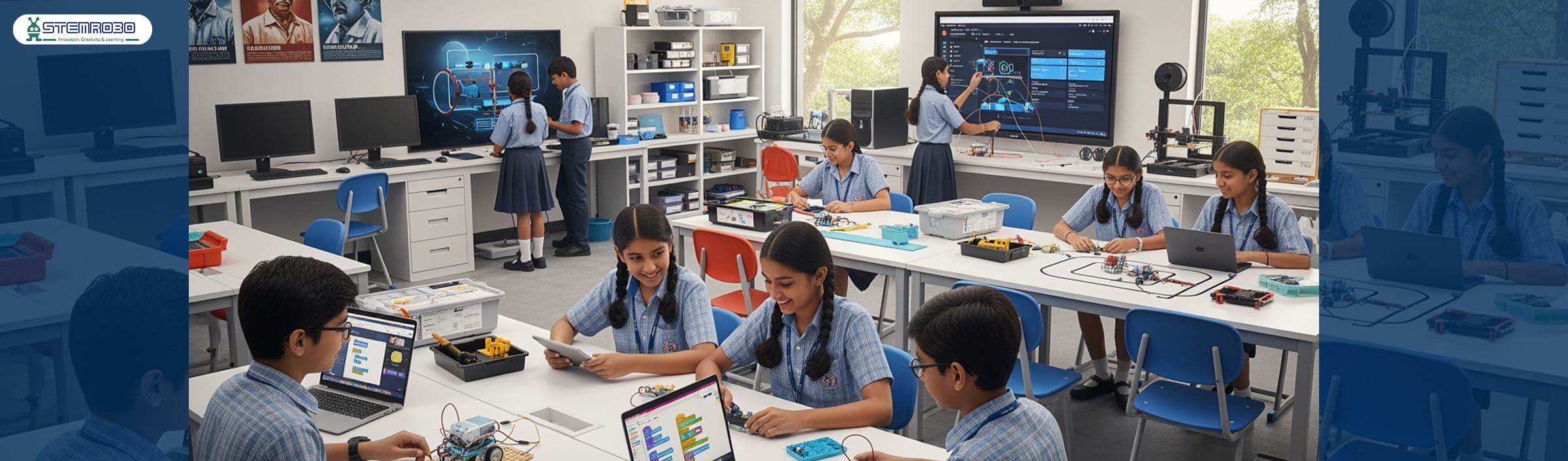
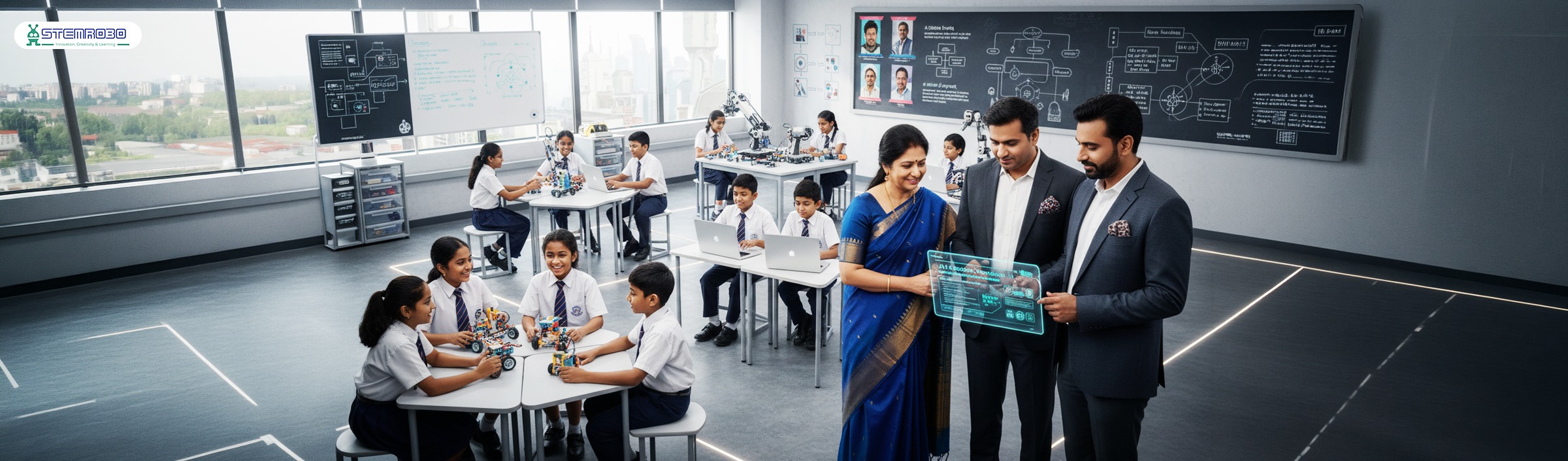
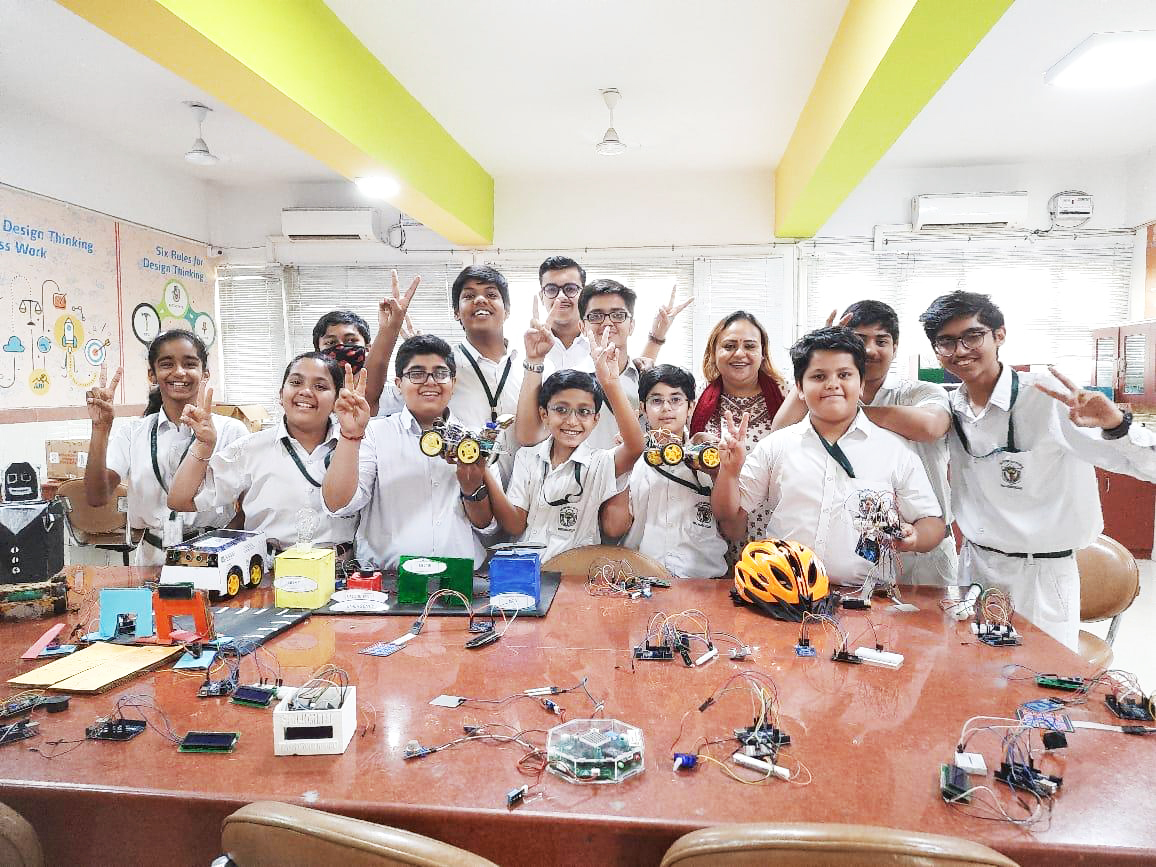
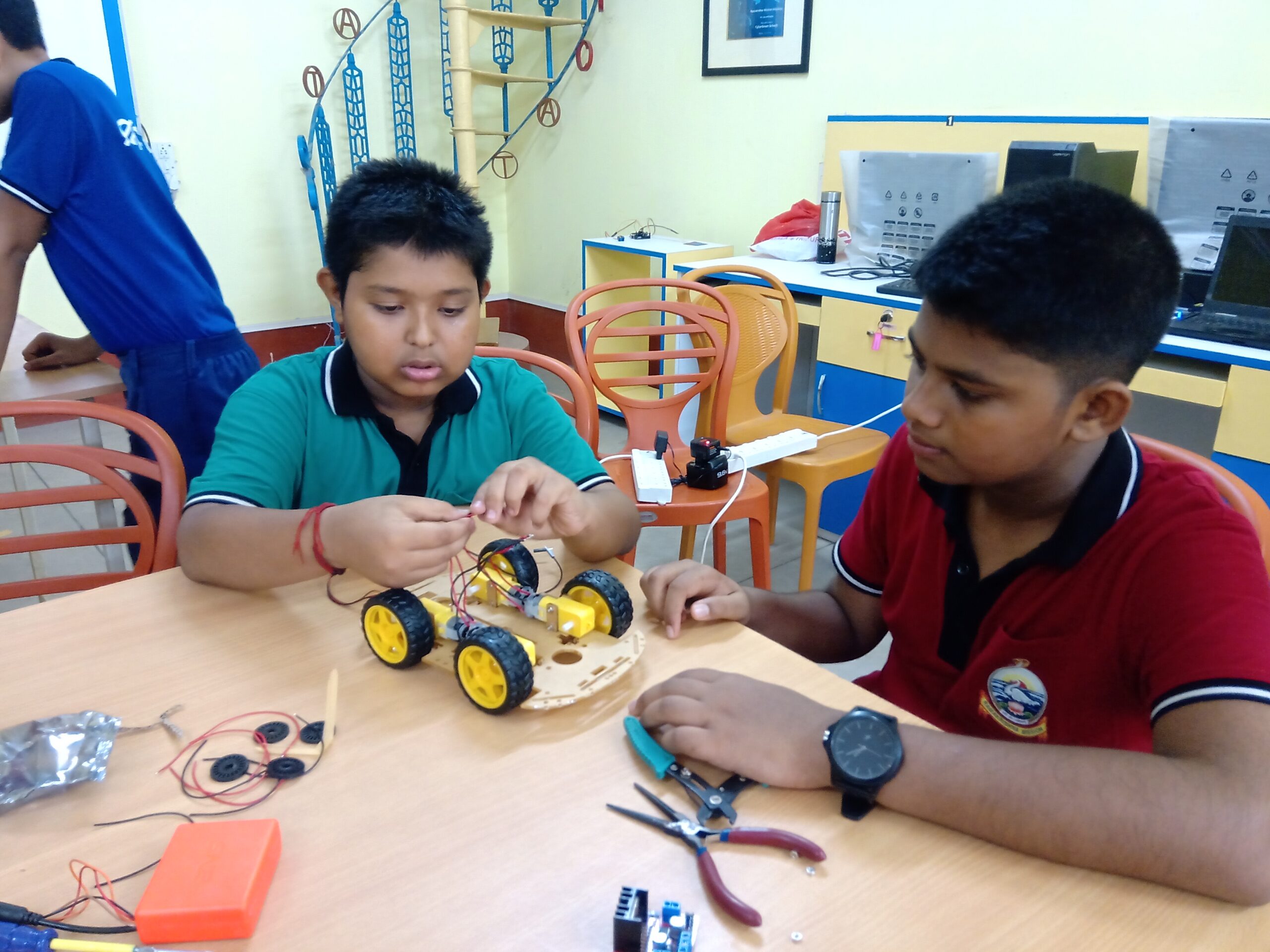
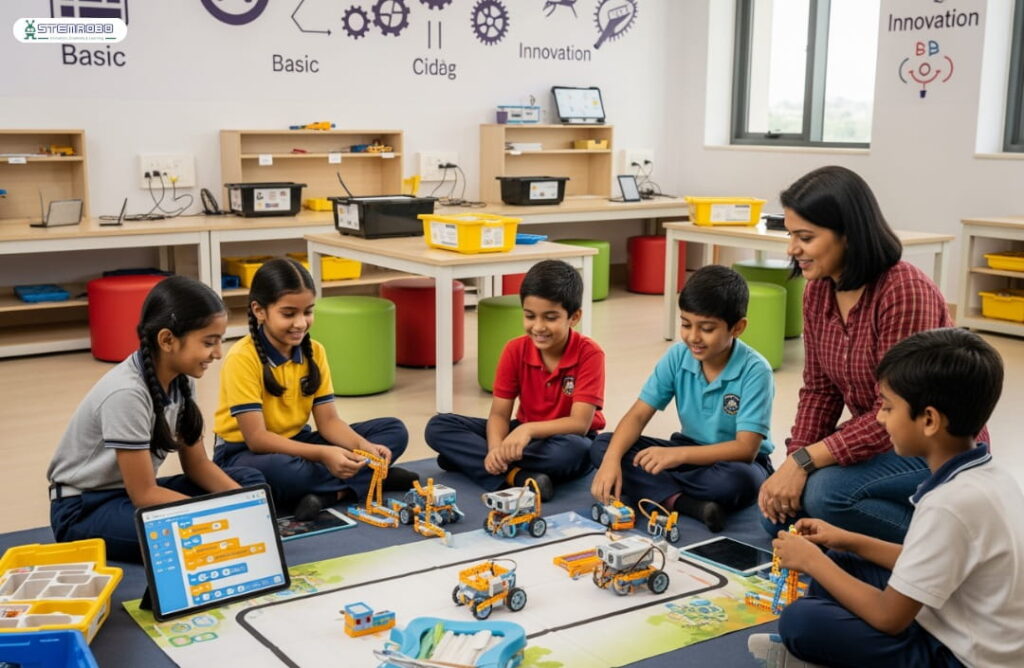
An example of this is Stemrobo Technologies integrating robotics labs and AI-learning environments in schools that teach students how to develop real-life skills through practical activities.
They can be taught new things in different ways with the use of interactive technologies, collaborative tools and digital resources.
This could involve:
- Working on real-world projects
- Collaborating with other students over the web
- Accessing information immediately
- Learning at their own pace
It can also benefit teachers through the tracking of student progress, allowing for personalized learning experiences, and creation of interactive lessons.
Creating a Skill-Based Learning Environment
To build 21st century skills, the focus has to be placed on how learning is constructed:
Classroom settings should facilitate:
- Curiosity instead of memorization
- Discovery instead of repetition
- Comprehension rather than regurgitation
Activities such as project-based learning, collaborative work, practical experiment, and problem-solving in real contexts are key tools to develop students’ 21st century skills in a spontaneous way.
And sometimes learning is the result of mistakes, reflection and repetition how real learning works!
Preparing for the Future
It is those who can think, adapt, and invent, who will thrive in the future.
It is not only about being able to find work, for students with the skills for the 21st century Skill, but also about their ability to be problem solvers, to be creators, and leaders.
It is not about merely educating, for those who employ these skills, but about inspiring.
Organizations like Stemrobo Technologies are working closely with schools to create such practical learning environments, helping students move from passive learning to active innovation.
The question is not what preparation for exams means, but what is involved in education for life.
Conclusion
The 21st century skills are not the ‘nice to have’ but a ‘must have’. These skills fill the gap between knowing and doing, between learning and understanding and making.
For students, this builds their confidence, independence and ability to handle a changing world around them.
For teachers, this offers new avenues to coach, motivate and encourage all students.
As the education landscape continues to change, there needs to be a movement from knowing to doing and from learning to understanding and making.
The reason for this is simple; to succeed in the 21st century Skills we are judged not on what we know, but on what we can do, innovate and achieve with what we know.