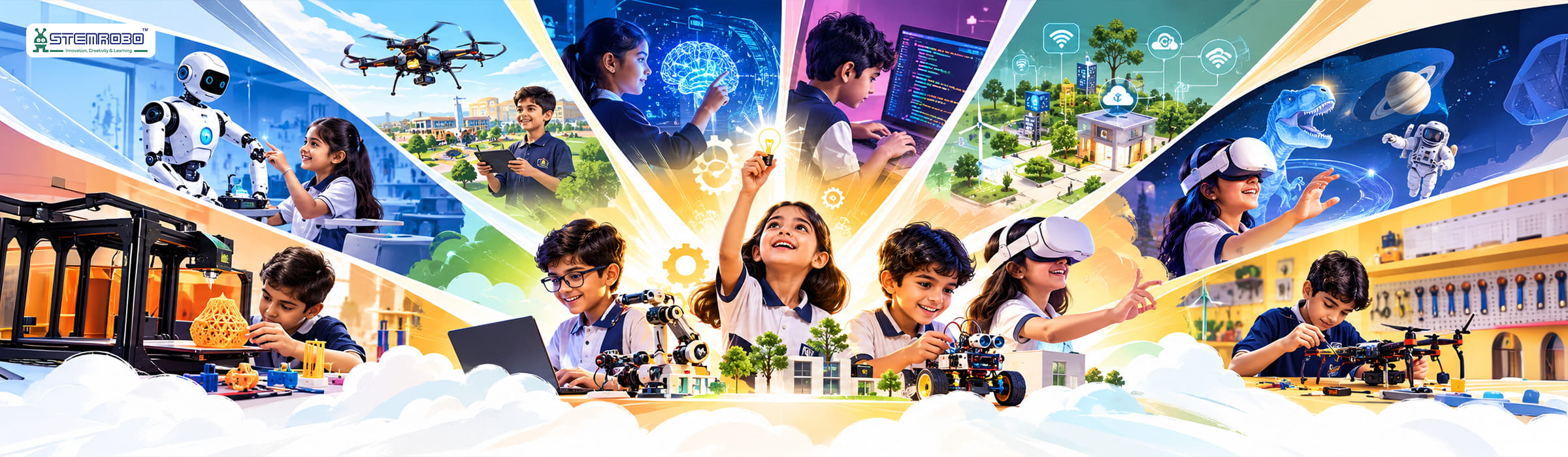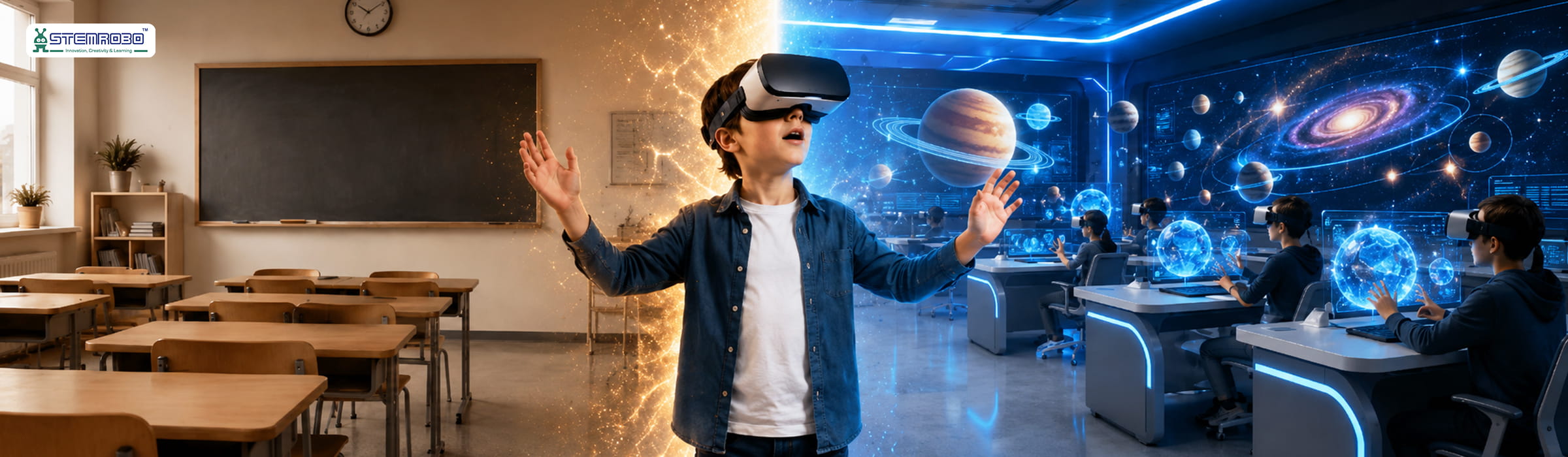
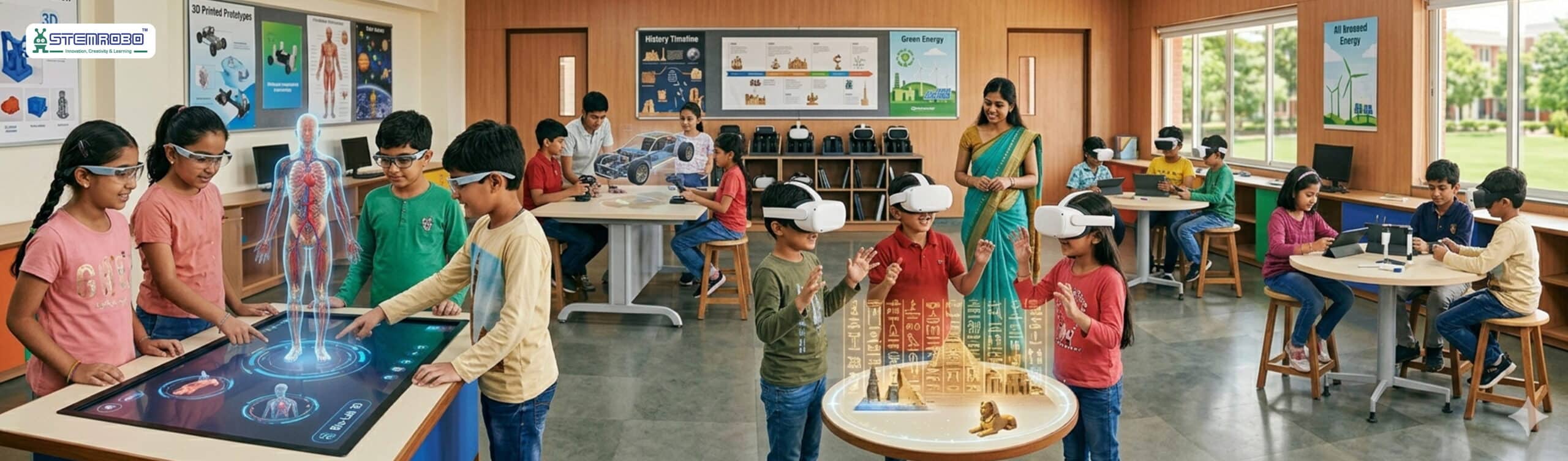
Picture this: instead of just reading about history, children can actually roam the ancient streets, witnessing pivotal moments as they occur. Instead of reading science diagrams, students can actually touch and interact with it in a virtual 3D environment. This is what modern learning should be-moving from passive reading to active participation.
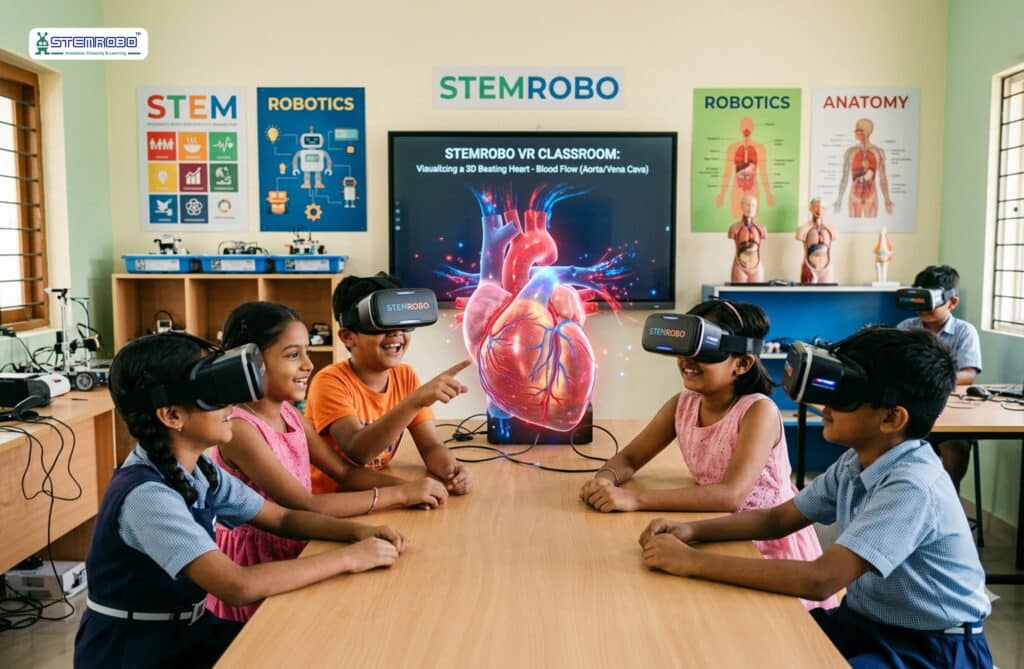
With the concept of an AR/VR Lab classroom, this has been made possible. By fusing the physical and digital worlds, an AR/VR classroom allows children to turn a mundane and abstract subject matter into something of an experience, something real that they can really grasp in an intuitive sense. Rather than memorizing, they are already applying and seeing the matter.
The learners of the current generation are all experience-driven, requiring interactive and adaptive environments to learn. And that’s precisely why immersive learning has been given the edge as a new kind of education that is a student experience rather than an educator instruction.
Understanding the Vision First
Before any technology can be introduced in a school, schools should clarify their goals. Schools can seek to enhance concept clarity, improve engagement, or prepare students for their future career. Without proper vision, even the most sophisticated setup can be ineffective.
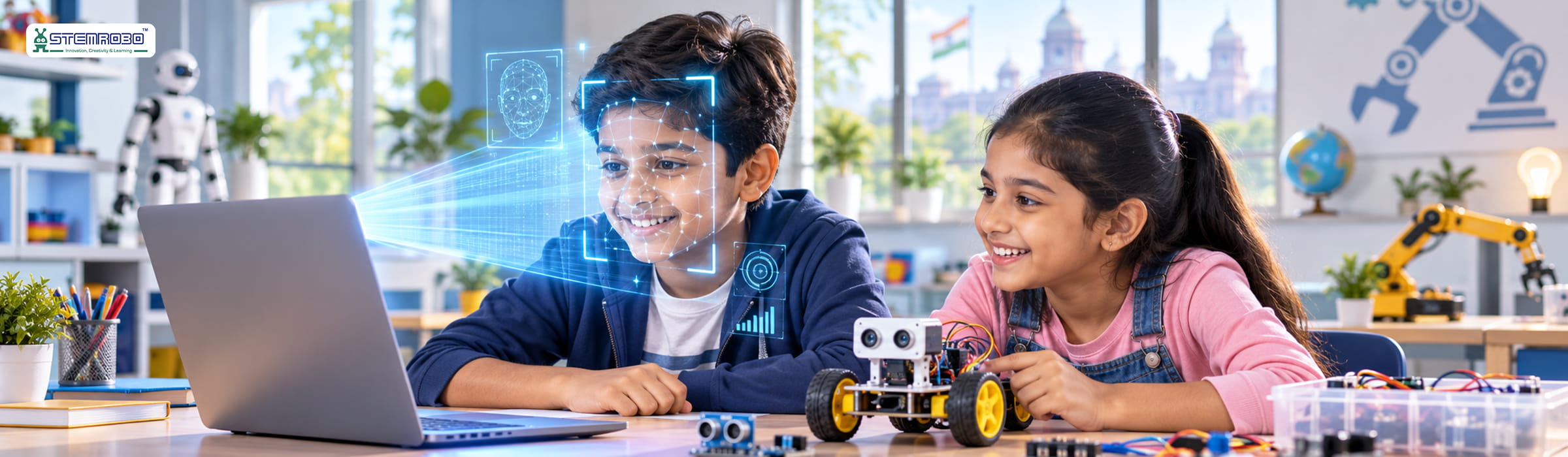
The integration of AR/VR with AI in education goes beyond visual aid, providing students with a dynamic ecosystem, interactive learning environments, instant feedback, and personalized learning. Therefore, the learning can be engaging and efficient.
A clear vision can help schools to link technology with learning outcomes and to utilize any resources to enrich learning experiences rather than merely adding another component to schools.
Creating the Right Digital Infrastructure
Setting up an AR/VR classroom is not about the money but about a thought-out approach. It is alright for a school to begin by setting up simple apparatus and take further steps once they evaluate the outcome. Usability and accessibility should be at the top priority.
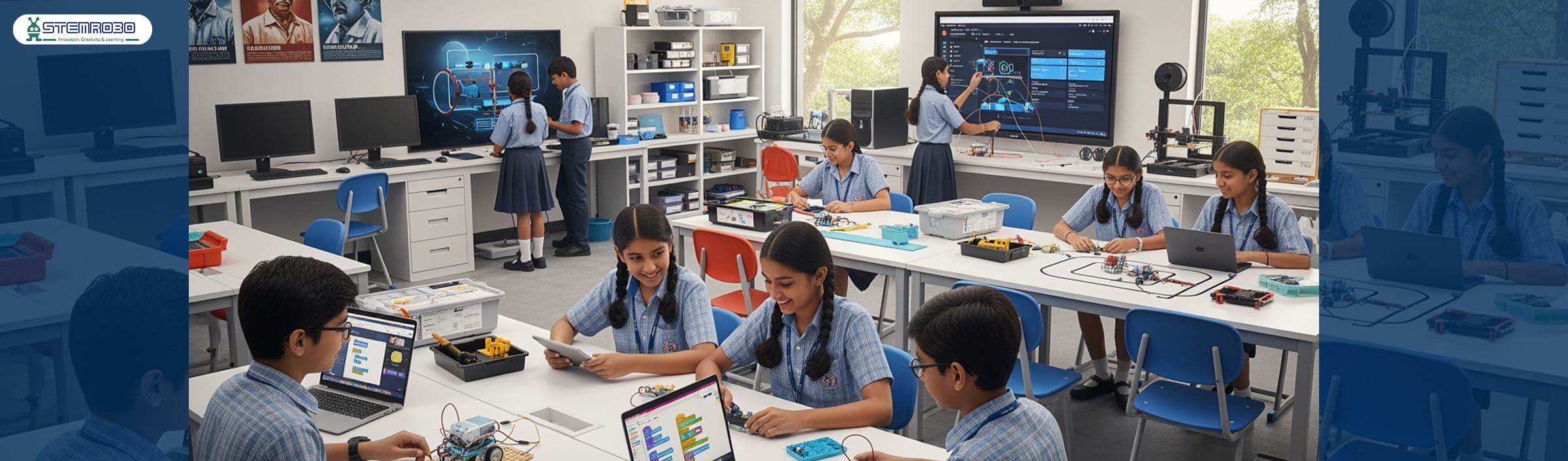
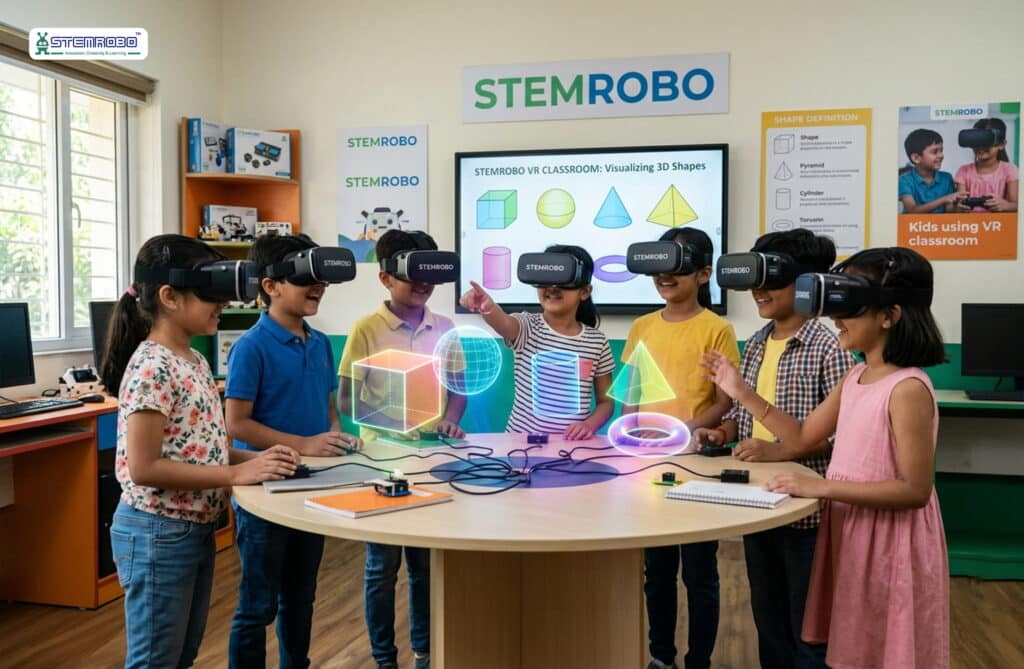
The classroom should not just be equipped with the technical know-how but also with a learning environment that supports creativity and team work. It shouldn’t be a typical classroom setup with static seating and classrooms but a space that offers free mobility for collaboration and hands-on activities, therefore enhancing the learning experience in a natural way.
A basic smart classroom setup includes:
- AR/VR compatible devices(headsets, tablets or screens)
- Stable internet connection
- Content and applications
- A fluid space for group work.
Schools can use this basic infrastructure to set up an AR/VR classroom that can be extended over a period.
Choosing the Right Tools and Platforms
The main pitfall for schools is the selection of tools based on fads rather than requirements. Schools do not want state-of-the-art tools but effective ones to suit their curriculum.
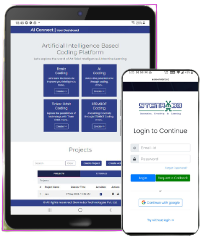
When teachers employ an AI learning platform, this platform will enable the AR/VR content to follow a logical pathway, rather than being chosen haphazardly. The AI learning platform would guide the teachers in presenting the lesson, while enabling students to participate.
AI tools for teachers can simplify classroom management. It assists with planning, tracking the progress of students and personalization of the content without any additional work burden for teachers. Schools should search for tools that can accommodate the subjects available at the school, are scalable and user-friendly.
Designing an Engaging Learning Experience
Technology isn’t just enough to transform education, the experience must be too. In AR/VR classes, we need to focus on making learning fun, tangible and valuable. The students need to feel like the subjects are surrounding them, not passing by them.
With virtual simulations, the learning material can be presented in an easier form for the students. Whether it is a simulation to show how the body works or the possibility of seeing the universe from within; it creates inquisitiveness and higher retention of data and hence, is fun and less stressful.
A successful AR/VR learning experience needs:
- Interactive simulations and real-world situations
- Visual story-telling to engage students
- Hands-on learning and exploration
- Ongoing feedback and involvement
Personalized learning could then help individual students learn at their own pace without leaving anyone behind nor preventing other students from advancing.
Role of Teachers in AR/VR Classrooms
Even though technology will be around to enhance the learning process, teachers are the most integral component. Their responsibility shifts from imparting knowledge to managing the learning experience. They provide direction to the learning process, and also create a contextual background and ensure learning outcomes are attained.
Teachers are also responsible for linking the experience gained through AR/VR to real world applications. Bridging virtual and practical worlds can make learning incredibly meaningful. With technology alone, it’s not sufficient to be educated.
Tools like an education chatbot would help to support student learning beyond the classroom. Students could get their questions answered or could revisit and clarify concept ideas on their own time while teachers can delve deeper in the classroom context.
Tracking Progress with Data and Analytics
It’s easier to see students learning in the digital classroom setting. The school has moved from traditional ways of assessing learning to evaluating progress through constant monitoring. The classroom can get the whole picture.
Learning analytics give teachers an understanding of student progression, the trends, where students are doing well, and where they are lagging behind. This allows educators to take measures proactively and effectively enhance the overall learning.
Some benefits of learning analytics in digital classrooms are:
- real-time progress tracking
- recognize learning difficulties
- teaching strategies that are supported by data
- better outcomes in learning.
This approach ensures that education becomes more precise, adaptive, and effective for every learner.
Making AR/VR Classrooms Sustainable
After successfully setting up an AR/VR lab, the key is to manage and scale the setup. There are often many challenges like lack of teacher training, budgets and integration issues schools have to deal with in schools, hence it is important to solve them from the initial stage for sustained learning experiences.
Training the teachers and staff will ensure easy integration of technology into classroom activities and effective delivery of educational material, so they make the most of their AR/VR lab.
Teaming up with the right providers who have expertise in AR/VR like STEMROBO can make the setup easier for the school as they assist with setting up infrastructure, curriculum and much more.
Why AR/VR Classrooms Matter for the Future
Today the way of teaching is more moving from memorizing to applying. In the world outside the classrooms students should be equipped with creative thinking, problem solving and critical thinking skills. With the help of AR/VR classrooms the above skills can be effectively cultivated in a practical way.
With the advancement in technology the importance of ‘future-ready’ education is growing rapidly. It is not sufficient for students to clear their examinations but they need to be ready for professions that demand creativity and innovative thoughts.
By incorporating modern techniques and creating learning experience, schools will build environments where the students not only learn about the future but actually live in it.
Final Thoughts
The AR/VR digital classroom isn’t simply another technology – it’s a new type of classroom. It’s a classroom where learning sparks interest, generates engagement, and inspires students to learn more.
The effective use of the AR/VR classroom can bridge theory and application and increase the interaction, inclusiveness, and impact of education on all students.
Ultimately, education is less about learning information, and more about experiencing it.