• CISCE offers Robotics and Artificial Intelligence as Subject Code 66, a Group III elective for ICSE Classes IX–X (introduced 2023, first board exam 2025). ISC Classes XI–XII added Robotics and AI from the 2025–26 session.
• For Classes 1–8, CISCE has indicated that AI and coding should be integrated into computer studies, but no separate syllabus, subject code or hour count has been reported. CBSE’s 2026–27 Computational Thinking and AI mandate binds CBSE schools only.
• A genuine Robotics & AI Lab for an ICSE school combines a grade-wise curriculum, student textbooks and workbooks, a teacher guide, hardware, a coding platform and ongoing teacher training.
• STEMROBO Technologies offers a grade-wise certified AI and Robotics curriculum for Classes 3–12 that it states is aligned with ICSE Subject Code 66, along with DIY kits, the AI Connect platform and an Educators Training Program.
An ICSE principal reads a headline that CBSE has made AI mandatory, then looks at the CISCE circulars and wonders whether the same applies. It doesn’t, at least not in the same way. But ICSE schools are not standing still either: Robotics and AI is already an examined subject, and the younger classes are being pointed the same way.
This guide sets out what CISCE actually requires, what a Robotics Lab or AI Lab for an ICSE school should contain, how to judge a curriculum and a textbook, and how to build a programme that your teachers can run next year as well as this year.
What ICSE Actually Requires: Classes 1 to 12
| Stage | What CISCE Has Said | What It Means for Your Lab |
| Classes 1–8 | AI and coding to be integrated into computer studies; no separate syllabus, subject code or hours published (as reported) | You have freedom. Build a foundation curriculum rather than waiting for a prescribed one |
| Classes IX–X | Robotics and AI is Subject Code 66, a Group III elective, with a practical, project-based component | A lab is effectively needed if you offer the subject |
| ISC XI–XII | Robotics and AI introduced from 2025–26 | Plan senior-school progression early |
Always confirm the current syllabus and specimen papers on the CISCE website, since schools choose which electives they offer and the details are revised.
What the ICSE Robotics and AI Syllabus Covers
Summaries of the Class IX syllabus describe two parts. Robotics introduces what robots are, how they evolved and the laws of robotics. Artificial Intelligence covers the definition and history of AI since the term was coined in 1956, the Turing Test, applications and benefits, and ethics, including bias, fairness, accountability, transparency and explainability.
- AI concepts: broad versus narrow AI, expert systems, computer vision, natural language processing and neural networks.
- The AI project cycle: the stages from defining a problem to evaluating a solution.
- Why data matters, and when AI is the right tool and when ordinary deterministic programming is enough.
Class X builds on this with programming (including Python), AI projects and further applications. Because the subject has a practical component, a classroom with only slides and a projector will not carry it.
Robotics Lab and AI Lab for ICSE Schools: What Goes Inside
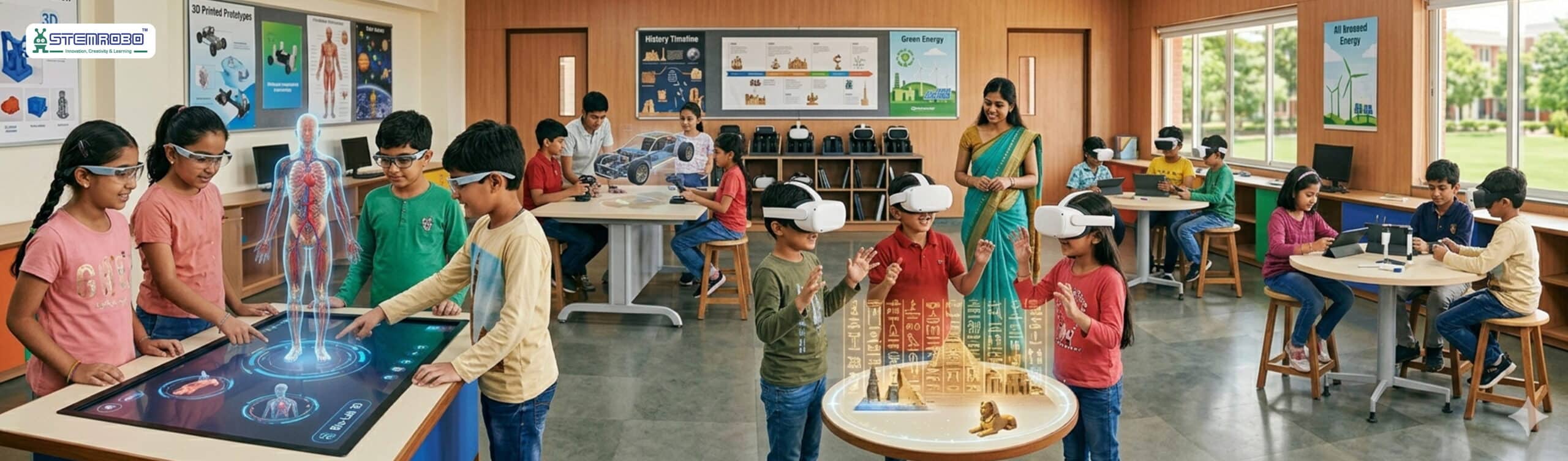
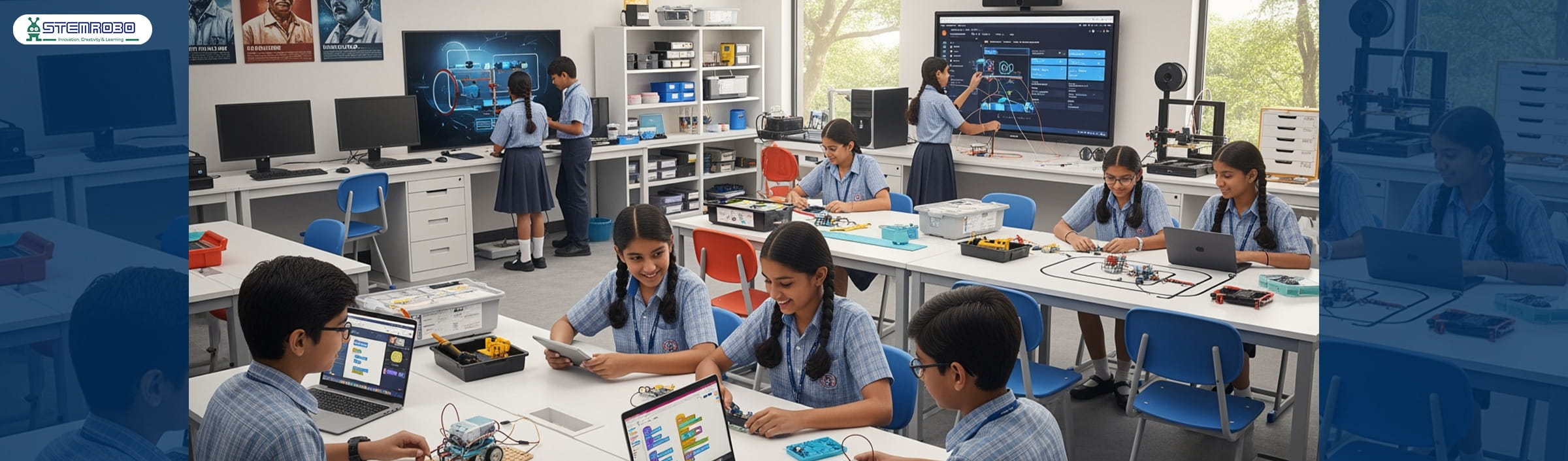
Most schools are better served by one combined Robotics and AI Lab than by two separate rooms, because the same hardware and coding platform serve both strands.
| Component | What It Is | What to Check |
| Robotics kits | Programmable, DIY kits by grade band | Age-appropriate progression, replaceable parts |
| Sensors and AI modules | Cameras, sensors, processing units | Works with your coding platform |
| Coding and AI platform | Block-based moving to Python | Licence term and offline use |
| Student textbooks and workbooks | Grade-wise learning material | Mapped to the CISCE syllabus |
| Teacher guide | Lesson plans, answers, assessment rubrics | Usable by non-specialist teachers |
| Furniture and layout | Workbenches, storage, power points | Suited to hands-on builds, not rows of desks |
Robotics Curriculum and AI Curriculum for ICSE Schools
Because ICSE leaves the younger classes open, a sensible curriculum is built as a ladder that ends in Subject Code 66. A grade-wise structure matters more than any single topic list.
| Stage | Focus | Typical Activities |
| Classes 3–5 | Computational thinking, block-based coding, simple builds | Puzzles, sequencing, basic robot assembly |
| Classes 6–8 | Early AI literacy, sensors, programmable robots, first text-based code | Line-following robots, simple classifiers, AI ethics discussions |
| Classes IX–X | Subject Code 66: robotics, AI concepts, Python, project cycle | Capstone robotics or AI project, practical assessment |
| ISC XI–XII | Advanced robotics and AI, applied projects | Independent project work |
STEMROBO’s AI and Robotics curriculum is likewise grade-wise and certified for Classes 3–12. The company states it is aligned with NEP 2020 and ICSE Subject Code 66.
Robotics and AI Textbooks for School Students: What to Look For
A textbook cannot carry a robotics programme alone, but a weak one can sink it. Whether you are searching for a robotics textbook or an AI textbook for school students, use this checklist before adopting any title:
- Syllabus mapping: every chapter should map to a topic in the CISCE syllabus for that class, and the publisher should show you the map.
- Theory plus practicals: each concept needs an activity, circuit or coding exercise, not just definitions.
- Workbook and teacher guide: the book should come with a student workbook and a guide that a non-specialist teacher can use.
- Python and project coverage: senior books should cover Python and the AI project cycle with worked examples.
- Ethics, written plainly: bias and fairness should appear with real examples, not a single paragraph.
- Sample chapters: ask for them, and have a teacher test one lesson before you commit.
CISCE sets the syllabus, and schools generally choose their own books. That freedom works best when the book, the kits and the lab software are designed to fit together.
Robotics Education for ICSE Students: Why Hands-On Matters
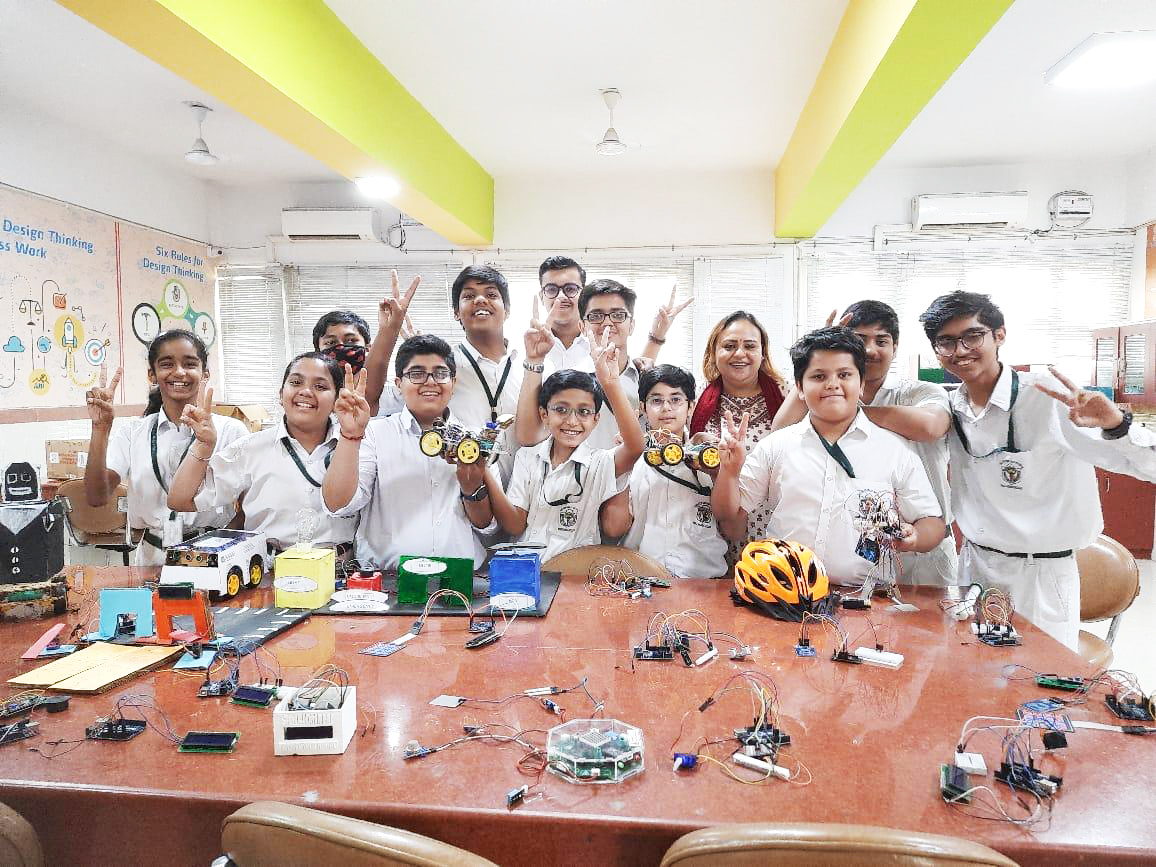
ICSE has always valued depth and application. Robotics education suits that tradition because students see their reasoning succeed or fail in front of them. A student whose robot turns the wrong way learns decomposition, testing and debugging without being told the terms.
- Projects build the skills the board’s practical component expects: design, build, test and present.
- Block-based coding lets younger students start, and Python carries them into Subject Code 66.
- Teamwork and presentation come built in, which helps in exams and in later university applications.
A Practical Roadmap for Setting Up the Lab
- Decide which stages you will serve first: Classes IX–X for Subject Code 66, or a Classes 3–10 ladder.
- Shortlist curriculum before hardware, and ask for sample student and teacher material.
- Choose kits and software that match that curriculum, not the other way round.
- Plan the room around hands-on work, with storage and safe power access.
- Train teachers before launch and again mid-year, so the lab survives staff changes.
- Build in assessment: a rubric, a project showcase and a yearly curriculum refresh.
How STEMROBO Supports ICSE Schools
STEMROBO Technologies, a Noida-based EdTech company, sets up Robotics and AI Labs for CBSE, ICSE and other boards. For ICSE schools, the relevant pieces are:
- A grade-wise certified AI and Robotics curriculum for Classes 3–12, which STEMROBO states is aligned with ICSE Subject Code 66 and NEP 2020.
- Age-appropriate DIY robotics and AI kits, organised grade-wise.
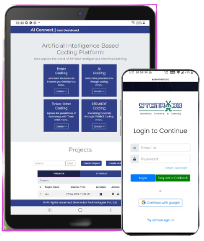
- The NASSCOM-certified AI Connect platform, supporting block-based and text-based coding.
- A dedicated Educators Training Program, so teachers can run the lab without a permanent outside facilitator.
- ISO 9001:2015, ISO 14001:2015 and ISO 20000-1:2018 certified processes.
Read more on the AI & Robotics Lab for Schools page. Ask for sample student material and the teacher guide as part of your evaluation.
| In ICSE, Robotics and Artificial Intelligence is Subject Code 66, a Group III elective for Classes IX–X, with ISC Classes XI–XII added from 2025–26. CISCE has indicated that AI and coding should be integrated into computer studies for Classes 1–8. STEMROBO Technologies offers a grade-wise AI and Robotics curriculum for Classes 3–12, DIY kits, the AI Connect platform and teacher training for ICSE schools. |
Frequently Asked Questions
Is Robotics and AI available in ICSE?
Yes. CISCE offers Robotics and Artificial Intelligence as Subject Code 66, a Group III elective for ICSE Classes IX–X, introduced in 2023, with the first board exam in 2025. ISC Classes XI–XII added it from 2025–26.
Does the CBSE AI mandate apply to ICSE schools?
No. CBSE’s 2026–27 Computational Thinking and AI framework for Classes 3–8 binds CBSE-affiliated schools only. ICSE schools follow CISCE, which has its own directions.
What should an ICSE Robotics Lab include?
Programmable kits, sensors and AI modules, a coding platform that moves from block-based to Python, student textbooks and workbooks, a teacher guide, suitable furniture, and ongoing teacher training.
What is the AI curriculum for ICSE schools?
For Classes IX–X it is Subject Code 66, covering robotics, AI concepts, ethics, Python and the AI project cycle. For Classes 1–8, CISCE has indicated AI and coding should be integrated into computer studies, without a published separate syllabus.
How do I choose a robotics textbook for school students?
Check that each chapter maps to the CISCE syllabus, includes practical activities, comes with a workbook and teacher guide, covers Python and the AI project cycle at senior levels, and has sample chapters you can test.
Do ICSE schools need a separate lab for robotics and AI?
Not necessarily. One combined Robotics and AI Lab can serve both strands, since the hardware and coding platform overlap.
Is STEMROBO’s curriculum aligned with ICSE?
STEMROBO states that its grade-wise AI and Robotics curriculum for Classes 3–12 is aligned with ICSE Subject Code 66 and NEP 2020. Schools should review sample material against the current CISCE syllabus.
How can our school get started?
Contact STEMROBO through the website or call 1800-120-500-400 for a consultation on curriculum, lab layout, kits and teacher training.