Why every school needs a real computational thinking program before it needs an AI course
Ask ten teachers what “computational thinking” means and you’ll likely get ten different answers. Some will say it’s coding. Some will say it’s a fancy name for logic puzzles. A few will admit they’ve heard the term in a CBSE circular and haven’t had time to look into it properly. That confusion is exactly the problem-because computational thinking isn’t a subject you bolt onto a timetable. It’s the reasoning skill underneath every other subject a child studies, and increasingly, it’s the skill schools are being asked to teach deliberately, starting as early as Class 3.
This piece is for school leaders, academic coordinators, and curriculum heads trying to make sense of what a genuine computational thinking program for schools actually looks like, how it connects to AI education, and what a working AI and robotics program for schools needs to include if it’s going to be more than a one-off workshop.
What Computational Thinking Actually Means
Strip away the jargon, and computational thinking for schools comes down to four repeatable habits of mind: breaking a big problem into smaller pieces (decomposition), spotting patterns and repeated structures (pattern recognition), stripping away unnecessary detail to focus on what matters (abstraction), and building a clear, step-by-step method to solve the problem (algorithmic thinking).
None of that requires a computer. A child working out how to sort a messy bookshelf, or figuring out the fastest way to get every family member fed breakfast before school, is already using computational thinking. What a proper computational thinking curriculum does is take that natural reasoning and make it deliberate-training students to apply it consistently, across subjects, so it becomes a transferable skill rather than an accident of good intuition.
This is also why computational thinking is now widely understood as the foundation for AI literacy, not a separate track running alongside it. The same reasoning processes that let a student decompose a word problem in math-break it down, find the pattern, build a solution-are the processes that eventually let them understand how a machine learning model finds patterns in data. Skip the foundation, and AI education becomes memorization of buzzwords instead of genuine understanding.
Why Schools Can No Longer Treat This as Optional
NEP 2020 was the first clear signal that Indian education policy sees computational thinking as core, not extracurricular. It positioned Mathematics, Computational Thinking, coding, and AI literacy as skills every student should build during school, not concepts reserved for a computer science elective in senior secondary.
CBSE has since translated that policy language into an actual curriculum. Computational Thinking is now expected to be taught from Class 3 onward, integrated directly into Mathematics and other core subjects rather than delivered as a standalone textbook. From Class 6, that foundation extends into early AI literacy-covering what AI actually is, how it differs from simple automation, and the basic building blocks of machine learning-layered with ethics and responsible use.
For a school, this changes the nature of the decision. It’s no longer a question of whether to introduce computational thinking activities for students-it’s a question of how well the school implements what’s already expected, and whether that implementation actually builds real skill or just checks a compliance box.
| What a Genuine Program Actually Requires • A grade-wise progression, not a flat course repeated every year-a Class 3 student and a Class 7 student need very different levels of complexity. • Integration into existing subjects like Mathematics and Science, not a separate period competing for timetable space. • Teachers confident enough to run activities independently, not permanently dependent on an outside trainer. • A clear bridge from computational thinking into AI literacy by Class 6, so the skill-building actually leads somewhere. |
Computational Thinking Activities for Students: What Good Practice Looks Like
The best computational thinking activities for students don’t look like a computer science lesson at all, especially in the early years. They look like puzzles, games, and hands-on challenges that happen to build the exact reasoning skills CT depends on.
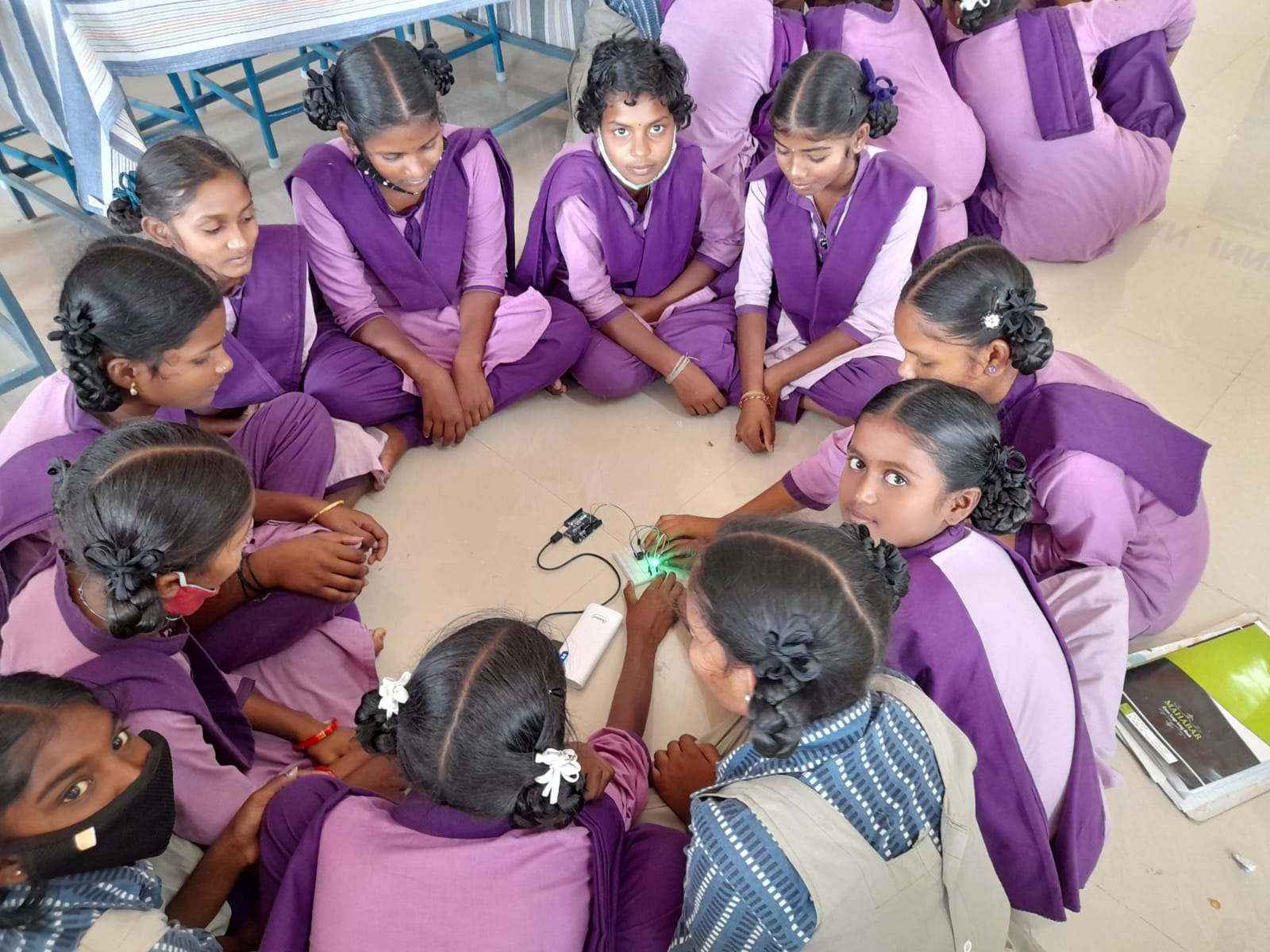
- Unplugged decomposition exercises-breaking a real-world task (planning a school event, organizing a cupboard, solving a riddle) into ordered sub-tasks, without touching a screen.
- Pattern-based puzzles-number sequences, shape transformations, and visual reasoning tasks that train students to spot and extend a rule.
- Simple algorithm-writing-giving step-by-step instructions for an everyday task (making a sandwich, navigating a maze) and testing whether the steps actually work when followed literally.
- Block-based coding projects-tools like Scratch let younger students build sequences and loops visually, translating abstract CT concepts into something they can see run.
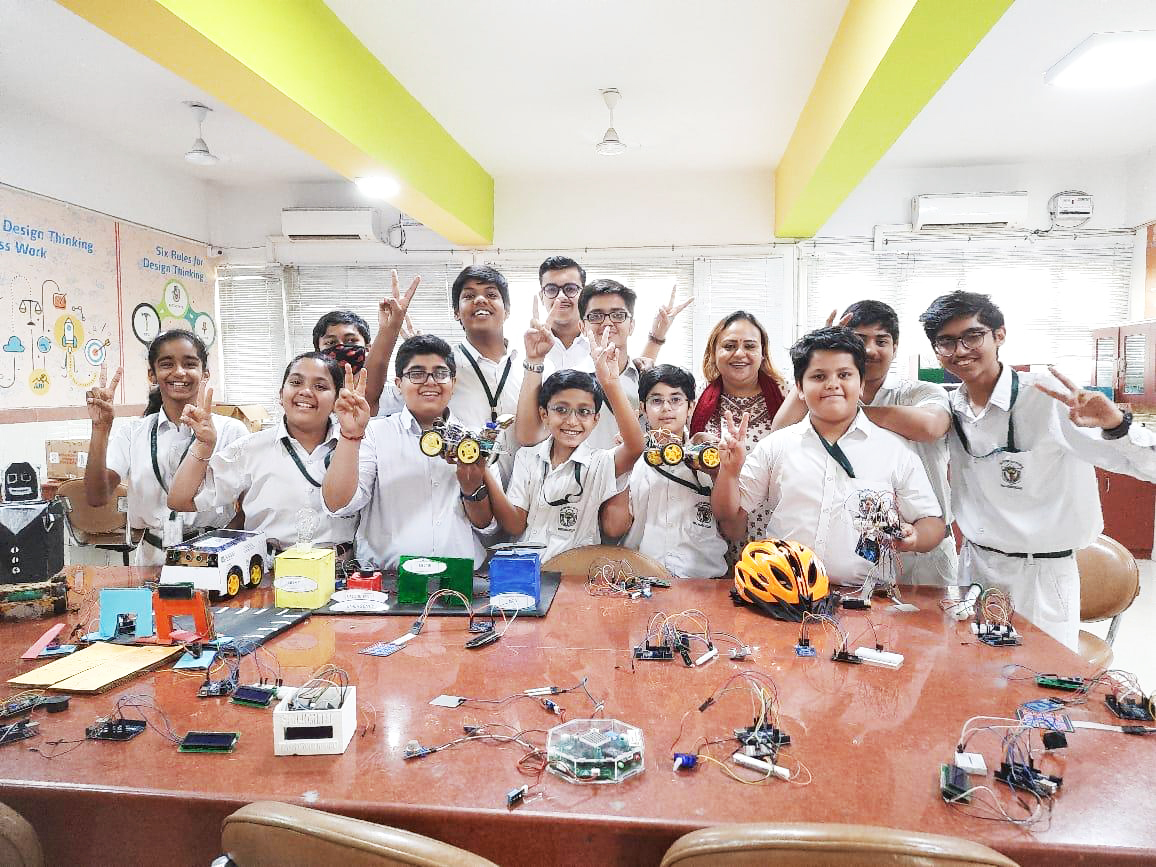
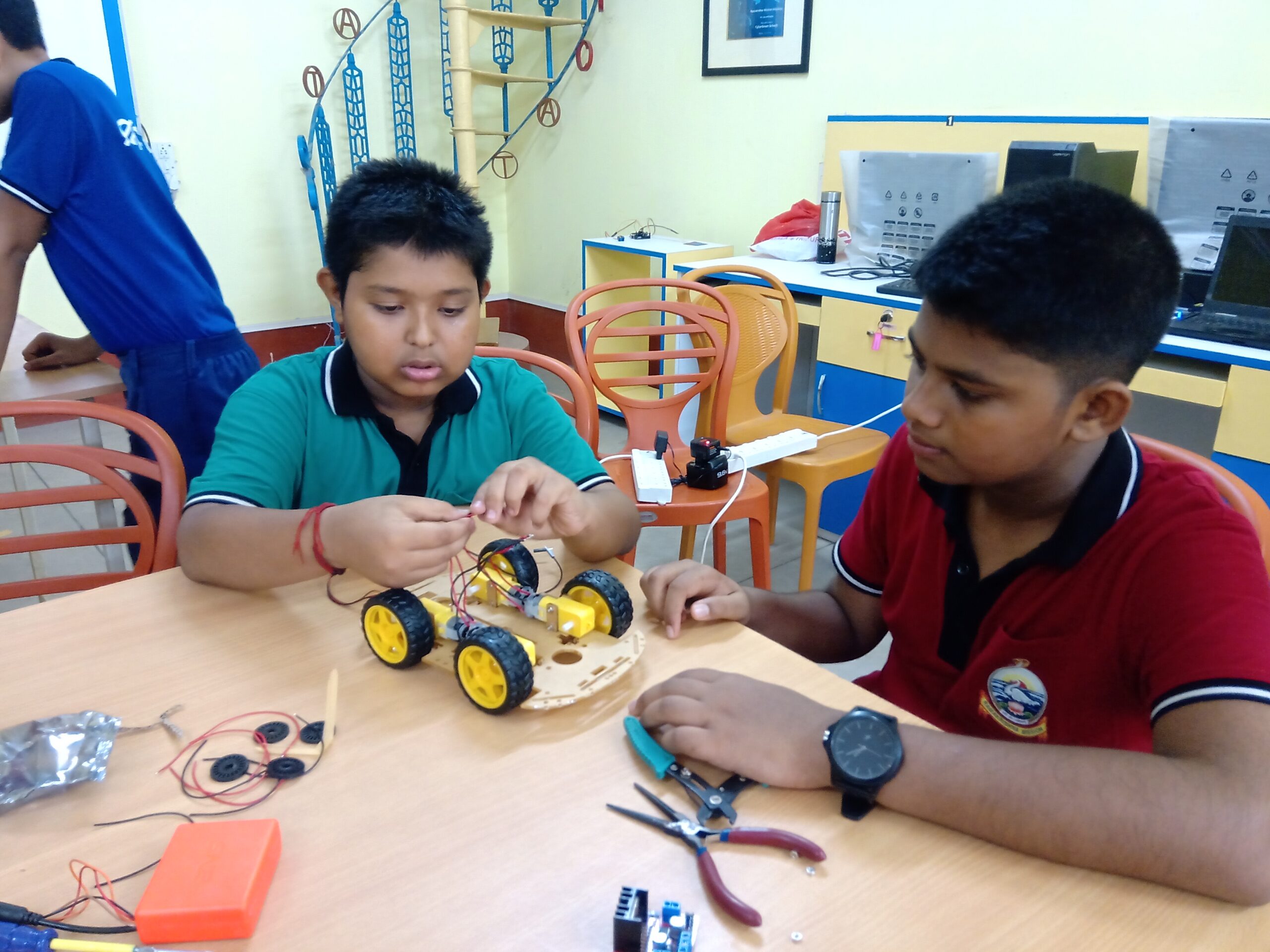
- Grade-appropriate robotics builds-from Class 6 onward, physical robotics kits let students apply decomposition and algorithmic thinking to something tangible, closing the loop between abstract reasoning and a working outcome.
What ties all of these together is that none of them ask a nine-year-old to “learn AI.” They ask a nine-year-old to think clearly, and that clarity is what eventually makes AI concepts make sense a few years later.
From Computational Thinking to AI: Building the Bridge
A well-designed AI curriculum for schools doesn’t start with neural networks. It starts with the question a computational thinking foundation already prepares students to ask: how does a machine actually reach a decision, and how is that different from how a person reaches one?
From around Class 6, once CT fundamentals are in place, an AI curriculum for schools should introduce concepts in a deliberate order:
- The difference between simple automation and genuine AI-a rule-based system following fixed instructions versus a model that learns patterns from data.
- The three core approaches to machine learning-supervised learning, unsupervised learning, and reinforcement learning-explained through relatable, everyday examples rather than technical definitions.
- Applied AI domains such as computer vision, natural language processing, and basic data science, introduced through hands-on tools rather than lectures.
- AI ethics and responsible use-bias, fairness, privacy, and digital footprints-treated as a core strand, not an afterthought tacked onto the final week.
Students who go through this progression don’t just learn to use AI tools. They learn to question what a tool is doing, which is arguably the more valuable and more durable skill as AI systems become a permanent part of daily life.
What a Real AI and Robotics Program for Schools Includes
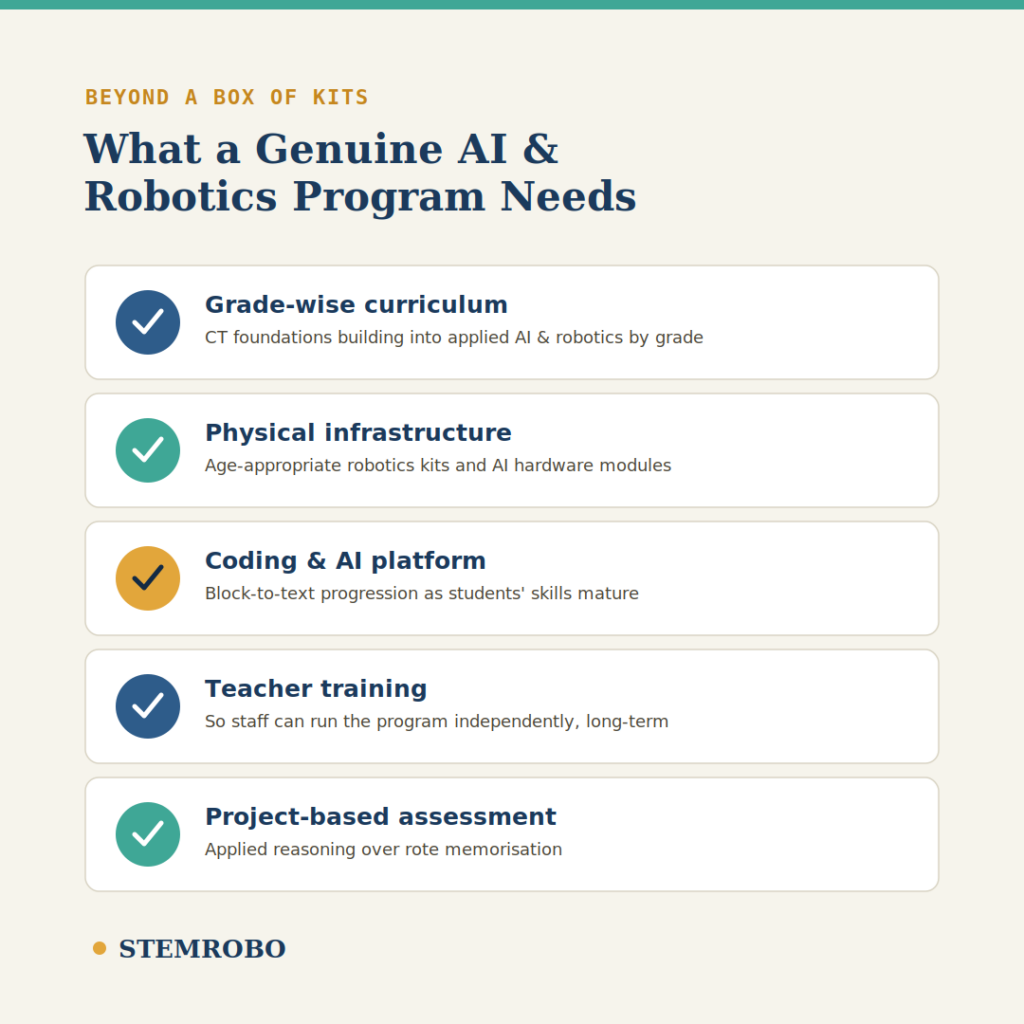
A lot of what gets marketed as an AI and robotics program for schools is really just hardware-a box of kits with a demo session and no real curriculum behind it. A program that actually builds skill needs to bring together several pieces working in sync:
- A structured, grade-wise curriculum that runs from foundational computational thinking in the early years through applied AI and robotics in middle and senior school.
- Physical infrastructure-age-appropriate robotics kits, AI hardware modules, and lab space designed for building and testing, not just sitting at a screen.
- A coding and AI learning platform that lets students move between block-based and text-based programming as their skills mature.
- Teacher training that goes beyond a single onboarding session, so staff can run the program independently rather than depending on external trainers indefinitely.
- Assessment built around projects, reflection, and applied problem-solving, not rote tests that reward memorization over understanding.
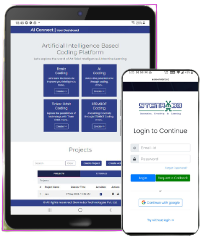
STEMROBO’s AI & Robotics Lab for Schools is built around exactly this structure-a NEP 2020-aligned curriculum, a NASSCOM-certified AI Connect platform supporting both block-based and text-based coding, age-appropriate robotics kits, and a dedicated teacher training program, so the lab is genuinely usable by school staff rather than dependent on outside facilitators for every session.
AI Education for Students: Why It Has to Be Age-Appropriate
One of the most common mistakes schools make when introducing AI education for students is pitching the same content to every grade, just with simpler vocabulary. That doesn’t work, because AI concepts genuinely require a foundation that builds year by year.
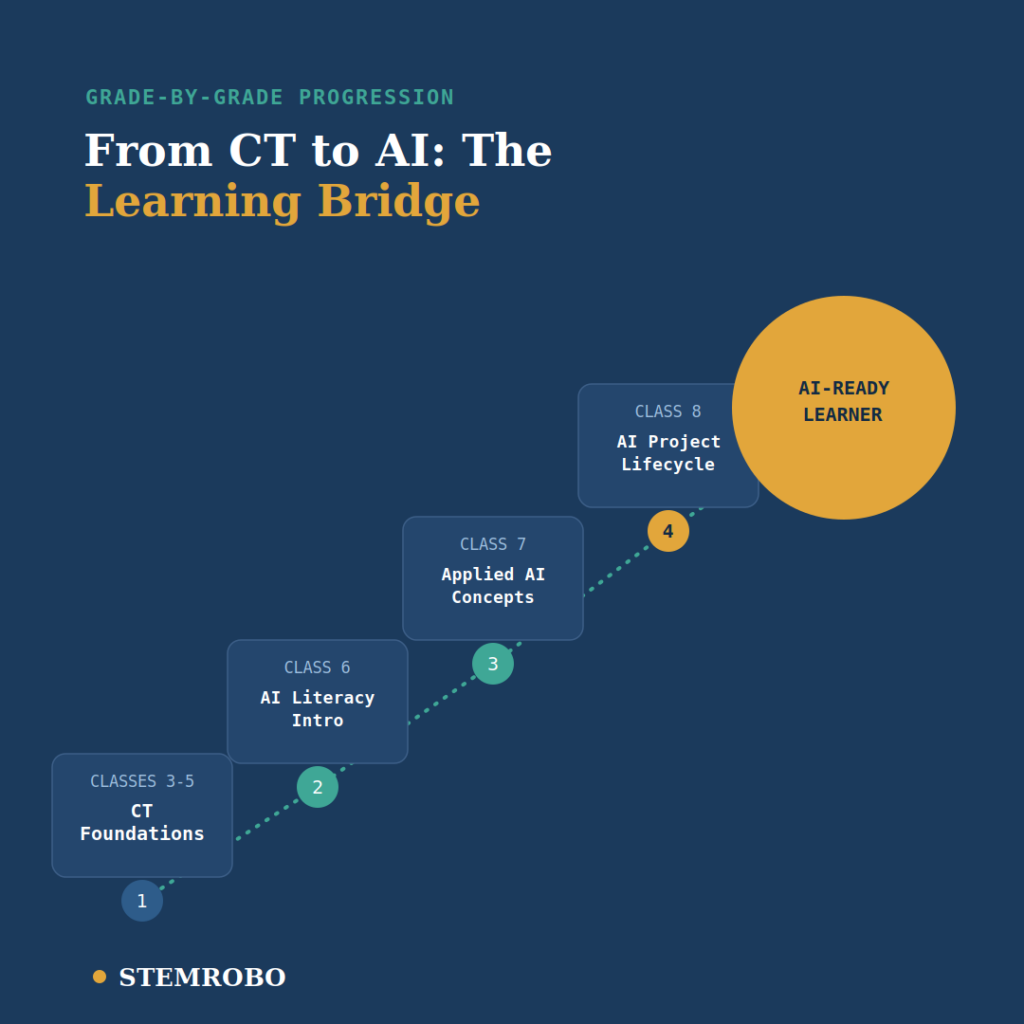
- Classes 3–5: no AI content yet-the priority is building computational thinking through puzzles, patterns, and unplugged activities, so students have the reasoning foundation AI concepts will later depend on.
- Class 6: introductory AI literacy-what AI is, how it differs from automation, and basic exposure to how machines learn from data.
- Class 7: applied AI concepts-classification, regression, and clustering, introduced through small, hands-on datasets rather than abstract theory.
- Class 8: the AI project lifecycle-defining a problem, collecting data, testing a no-code AI tool, and reflecting on the results, alongside a deeper look at bias and fairness.
This kind of staged progression is what separates a genuine AI education for students from a one-off “AI Day” assembly. It’s slower, and it takes more planning, but it’s also the only version that actually produces students who understand AI rather than students who’ve simply heard the term a lot.
Choosing a Computational Thinking Curriculum: What to Look For
Schools evaluating a computational thinking curriculum-whether building one internally or working with a partner-should look past flashy demos and ask a few grounded questions:
- Does the curriculum integrate into existing subjects like Mathematics, or does it compete for a separate timetable slot the school doesn’t have?
- Is there a genuine grade-wise progression, or is the same content repackaged year after year?
- Does it include teacher training, or does the program collapse the moment the external facilitator stops showing up?
- Is there a clear, deliberate bridge from CT into AI literacy by Class 6, so the earlier years actually lead somewhere?
- Is assessment built around projects and applied reasoning, or does it default to memorization-based testing that undercuts the whole point of teaching CT in the first place?
A partner or curriculum that can answer all five clearly is worth far more than one offering the flashiest robotics kit in the room.
Computational thinking and AI education aren’t really two separate initiatives for a school to plan. They’re one continuous skill-building journey-start with reasoning, add structure, and only then layer on the technology. Schools that get the sequence right end up with students who can genuinely think through a problem, not just repeat AI vocabulary they’ve memorized for a quiz.
If your school is building or upgrading a computational thinking and AI program, it’s worth starting with a proper consultation rather than a hardware quote. You can explore STEMROBO’s full approach on the AI & Robotics Lab for Schools page, or reach out directly for a curriculum-first conversation about what your school actually needs.
Frequently Asked Questions
What is a computational thinking program for schools?
A computational thinking program teaches students to decompose problems, recognize patterns, abstract essential details, and design step-by-step algorithms-usually integrated into Mathematics and other core subjects rather than taught as a standalone subject.
At what age should computational thinking be introduced?
Most curriculum frameworks, including CBSE’s current guidelines, introduce computational thinking from Class 3, with complexity increasing gradually through Class 8 and beyond.
How is computational thinking different from coding?
Coding is one way to apply computational thinking, but CT itself is a broader reasoning skill that doesn’t require a computer-puzzles, unplugged activities, and logic exercises all build computational thinking without any code involved.
When should AI education start for students?
Most structured frameworks introduce AI literacy from Class 6, once foundational computational thinking skills are in place, with complexity increasing through Class 8 and senior school.
What should schools look for in an AI and robotics program?
A genuine program includes a grade-wise curriculum, physical robotics and AI hardware, a coding platform, teacher training, and project-based assessment-not just a one-time kit delivery with no ongoing support.
How can our school get started with a CT and AI program?
Schools can explore STEMROBO’s AI & Robotics Lab for Schools page or call the toll-free number 1800-120-500-400 to begin with a consultation and curriculum mapping suited to their grades and existing infrastructure.
Ready to Bring Computational Thinking & AI to Your School?
STEMROBO Technologies helps CBSE, ICSE, and state board schools build a working AI & Robotics Lab and a genuine Computational Thinking curriculum-from consultation to teacher training.