AI & Robotics Lab Setup Company in Delhi: A Complete Guide for Schools
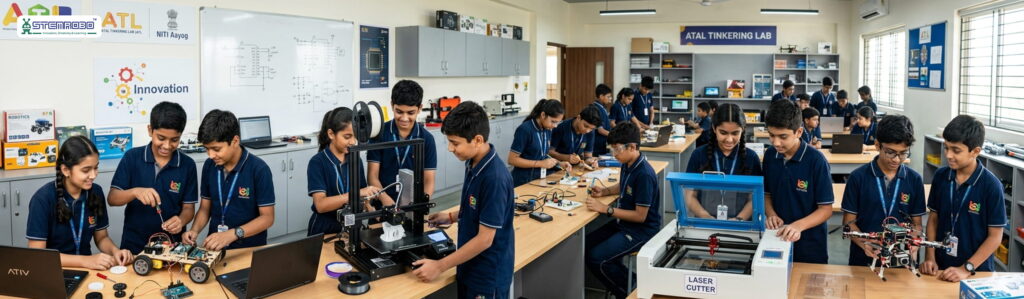
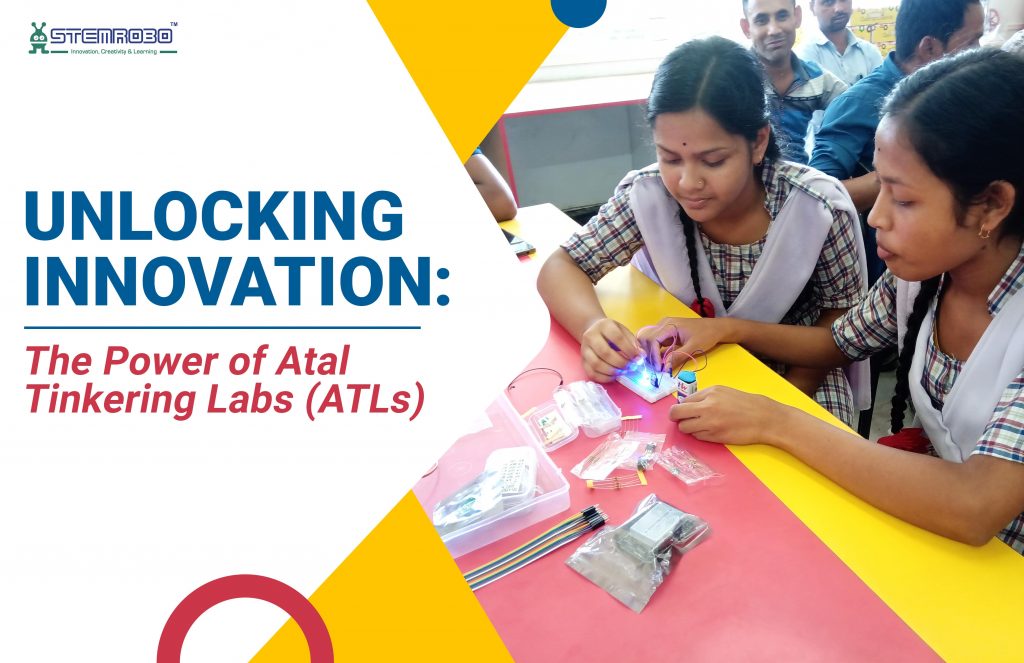
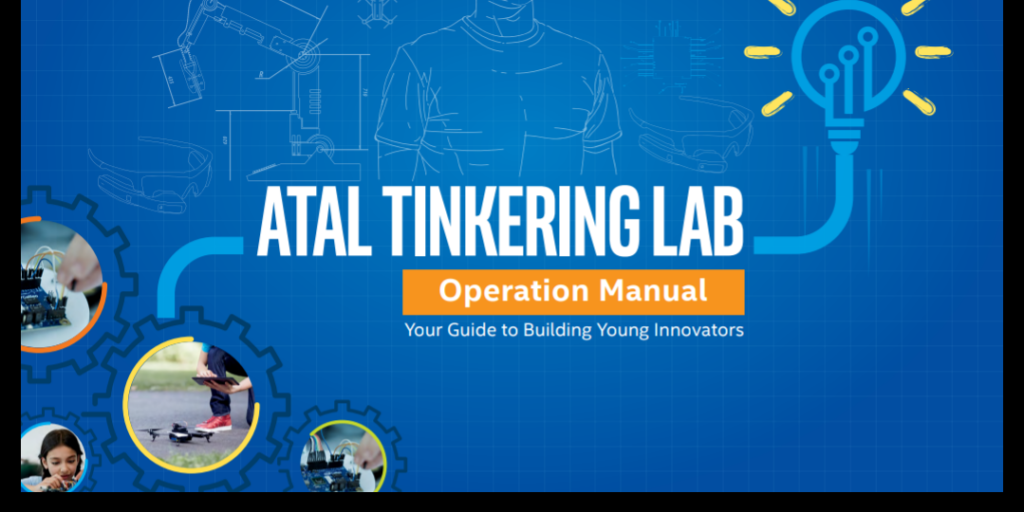
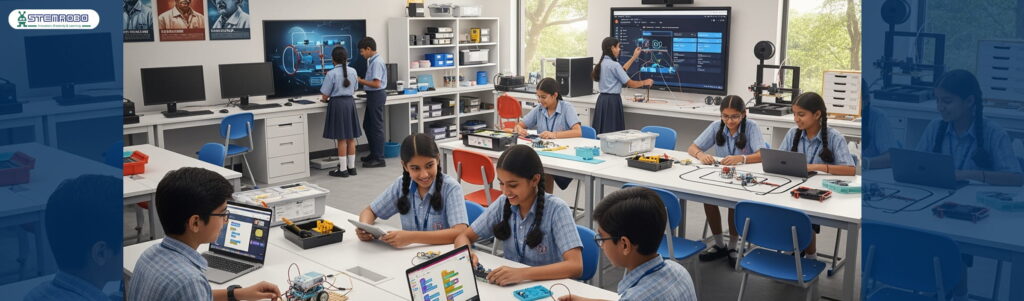
AI Labs, ATL Labs, STEM & Robotics Labs, and Composite Skill Labs in Delhi –what each one actually means, and how schools set them up. If you’re a school head, trustee, or CBSE coordinator in Delhi searching for AI lab setup in Delhi or ATL lab setup company in Delhi, you Have probably noticed something confusing pretty fast-there isn’t just one type of lab schools are setting up anymore. There’s AI Labs, ATL Lab, STEM & Robotics Labs, and Composite Skill Labs, and vendors often use these terms loosely, which makes comparing options harder than it should be. This guide breaks down exactly what each of these labs is, which one your Delhi school actually needs, what the government funding situation looks like, and how the setup process typically works-written specifically for people making this decision, not for search engines. Why Delhi Schools Are All Building These Labs Right Now Delhi runs one of the most competitive school ecosystems in the country. With CBSE, ICSE, and a growing number of international curriculum schools packed into the NCR region, a school’s lab infrastructure has become part of how parents judge a school during admissions-right alongside board results and faculty credentials. There’s real policy pressure behind this too. NEP 2020 pushes coding, computational thinking, and AI exposure into mainstream schooling rather than treating it as an extracurricular add-on. CBSE has made Composite Skill Labs mandatory for affiliation. And NITI Aayog’s Atal Innovation Mission has been actively funding ATL Labs in schools across Delhi for years, specifically to build a culture of hands-on innovation from a young age. None of this is optional anymore, which is exactly why so many Delhi schools are searching for a single, reliable setup partner instead of piecing things together lab by lab. The Four Lab Types Delhi Schools Are Setting Up-Explained Simply Before choosing a vendor, it helps to know exactly what you’re asking for. Here’s a plain breakdown of what each lab type actually means: Lab Type What It Covers in Delhi Schools AI Lab A dedicated space where students learn artificial intelligence and machine learning concepts through a structured, grade-wise curriculum and coding platforms-usually self-funded by the school. ATL Lab An Atal Tinkering Lab, funded by NITI Aayog’s Atal Innovation Mission, giving students aged 6–18 access to 3D printers, robotics kits, IoT tools, and electronics for hands-on innovation projects. STEM & Robotics Lab A broader lab combining science, technology, engineering, and math learning with robotics kits, letting students build and program physical robots and automation projects. Composite Skill Lab A CBSE-mandated lab combining AI, robotics, electronics, coding, 3D printing, and AR/VR under one roof-required for CBSE affiliation, not optional. In practice, many schools end up needing more than one of these-for instance, a CBSE school might set up a Composite Skill Lab to meet affiliation requirements while separately applying for an ATL Lab grant to expand their innovation infrastructure further. AI Lab Setup in Delhi: What It Actually Involves An AI Lab for schools is built around three things: hardware, curriculum, and a learning platform. It isn’t a computer lab with a new name-the intent is for students to actually train models, understand how AI systems work, and apply AI concepts to real projects rather than just reading about them. STEMROBO’s AI & Robotics Lab solution for schools is built around exactly this structure, with a NASSCOM-certified AI Connect platform and a curriculum aligned to NEP 2020. ATL Lab Setup Company in Delhi: What Schools Need to Know An Atal Tinkering Lab, or ATL Lab, is different from an AI Lab in one major way-it’s government-funded. Set up under NITI Aayog’s Atal Innovation Mission, ATL Labs give schools access to a capital and operational grant to build a dedicated innovation space for students aged 6 to 18. STEMROBO is registered on the GeM portal as a verified Atal Tinkering Lab equipment seller, which gives it standing authorization to set up ATL Labs for schools anywhere in India, including across Delhi NCR. The company supports schools from grant application guidance through to full installation and ongoing mentoring. STEM and Robotics Lab Setup in Delhi A STEM & Robotics Lab sits somewhere between a general science lab and a dedicated AI Lab-it’s built around project-based learning across science, technology, engineering, and math, with robotics as the hands-on anchor. Inside a typical STEM & Robotics Lab, students build working robots, experiment with sensors and automation, and apply math and physics concepts to problems they can physically see working-or not working, which is often the more valuable lesson. For Delhi schools without an existing AI or ATL Lab, a STEM & Robotics Lab is often the starting point, since it covers foundational robotics and coding skills that later feed into more advanced AI work. Composite Skill Lab Setup in Delhi: The CBSE Angle Unlike AI Labs, STEM Labs, or even ATL Labs, a Composite Skill Lab isn’t optional for CBSE schools. It’s a mandatory requirement under current CBSE affiliation guidelines. For Delhi’s large CBSE-affiliated school network, this is arguably the most time-sensitive of the four lab types, simply because of the compliance deadline attached to it. How to Choose an AI & Robotics Lab Setup Company in Delhi Delhi has no shortage of vendors offering to sell schools robotics kits. What’s harder to find is a company that treats each lab as a long-term educational program rather than a one-time equipment sale. A few questions worth asking any vendor: A vendor who can answer all five clearly, with documentation, is usually the safer long-term partner-even if their initial quote isn’t the cheapest one on the table. Why STEMROBO Is a Trusted Choice for Delhi Schools STEMROBO Technologies works across all four lab categories-AI Labs, ATL Labs, STEM & Robotics Labs, and Composite Skill Labs-for schools across Delhi NCR and pan-India. A few things that set the company apart for Delhi-based decision-makers: STEMROBO Technologies (stemrobo.com) is an India-based EdTech company offering end-to-end AI Lab, ATL Lab, STEM & Robotics
AI & Robotics Lab Setup Company in Delhi: A Complete Guide for Schools Read More »