
Over the last decade, technology has rapidly transformed how classrooms function and how students learn. In fact, smart phones, tablets and online classrooms already represent a significant shift in how teachers are teaching and students are learning. Now artificial intelligence is pushing the boundaries of change even further. Instead of just using isolated pieces of technology, schools are starting to embrace and create integrated AI learning environments which combine teaching, assessment and student support into one seamless system.
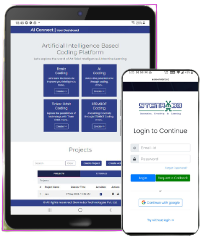
Integrated AI learning platforms integrate multiple learning technologies-AI tutoring systems, smart classroom tools, testing platforms, learning analytics-into one cohesive system. Instead of dealing with a series of disconnected technologies, schools will be able to facilitate and control the learning environment through a single AI powered system.
This represents a movement beyond the basic integration of technology in classrooms to an entirely new era of the classroom where smart technology actively aids students and teachers in the learning process.
Why Schools Need Integrated AI Learning Platforms
Numerous schools are already employing digital tools, like LMS platforms, online tests and learning applications. These tools often work separately from each other, which poses a problem to teachers and school administration.
In systems where there is no integration, teachers have to keep track of several systems of learning, assessment, student reporting and communication. This increases teachers’ work load, leading to lower efficiency levels. Integrated AI learning platforms alleviate this issue by grouping all tools within one environment.
Advantages of integrated AI platforms:-
- Single learning & teaching tools hub
- Real time tracking of student performance
- Automated administrative tasks to teachers
- Data analysis to make well-informed decisions.
Through interconnection, schools achieve a higher degree of fluidity.
Key Components of an AI Learning Platform
An effective AI-powered education platform combines several technologies that support both teaching and learning.
1. AI-Powered Learning Management Systems
The main core of any online classroom is a learning management system. Using learning management systems with Artificial intelligence features helps institutions track their student progress and suggest study material to each and every student, individualizing lessons as well.
It could understand and learn the way students interact with materials and offer required materials accordingly.
2. Intelligent Assessment Systems
An AI learning platform allows schools to have better assessment systems in place, these can include features such as:
- Adaptive assessment tests
- AI Question Paper Generators
- Automatic grading and feedback mechanisms
- Analysis of real-time student performance
These help educators to save on time, as well as understand student performance more comprehensively.
3. AI Tutoring and Student Support
Additional learning support is offered through AI tutoring systems outside of scheduled lessons. Through practicing topics and having questions answered, students can get support whenever it is needed.
Education chatbots also offer assistance with learning through providing answers to subject specific queries. Instead of waiting until the next lesson, students can have problems answered in a time efficient way and not have to stop learning.
4. Learning Analytics and Predictive Insights
Learning analytics is one of the most potent features of the use of AI in education.
Learning analytics works by having the AI systems compile data from different forms of learning, which include:
- Online quizzes
- Participation in class
- Practice exercises
- Learning trends over time
Through gathering and analyzing these data, the AI is able to pick up trends in how students learn and how they perform. Imagine a classroom where teachers can instantly see which students are struggling and which ones are ready for advanced challenges.
Predictive analytics allows the identification of possible learning difficulties before they may become obvious, so the system can be used to alert teachers if certain trends are apparent. For example if multiple students are having difficulty understanding a certain subject.
How AI Integration Supports Teachers
One of the main benefits of integrating AI systems into our educational platforms is the way it assists teachers on their daily tasks.
Teachers usually dedicate a great part of their work time on mundane administration such as designing exam papers, grading work, keeping track of student progress and making reports.
The integration of AI in educational tools can automate the majority of these menial tasks. AI’s assistance to teachers:
- Auto-creates tests and quizzes
- Offers immediate grading and feedback
- Analyzes student performance patterns
- Produces progress reports and analytical data
With these benefits, teachers will be more inclined to dedicate their time in coaching, mentoring and assisting students instead of handling paperwork.
In easier terms, the AI takes over the trivial tasks allowing teachers to attend to teaching.
Personalized Learning Through AI Integration
All learners learn differently. Certain students will learn and grasp ideas more quickly, whereas other learners will need additional practice.
The AI integrated learning platforms help cater to the different learning needs of each student by adapting the learning experience to match the learning abilities of each individual learner.
For example, an AI system will be able to:
- Prescribe further practice of those weak areas
- Assign further learning material for advanced students
- Scale up or down the difficulty of lessons.
This will allow a more fluid learning approach and allow the learners to learn at their own individual pace.
Personalized learning will assure that each learner isn’t left behind and that those who are able to do more are challenged to take on harder material.
The Role of AI Integration in Smart Classrooms
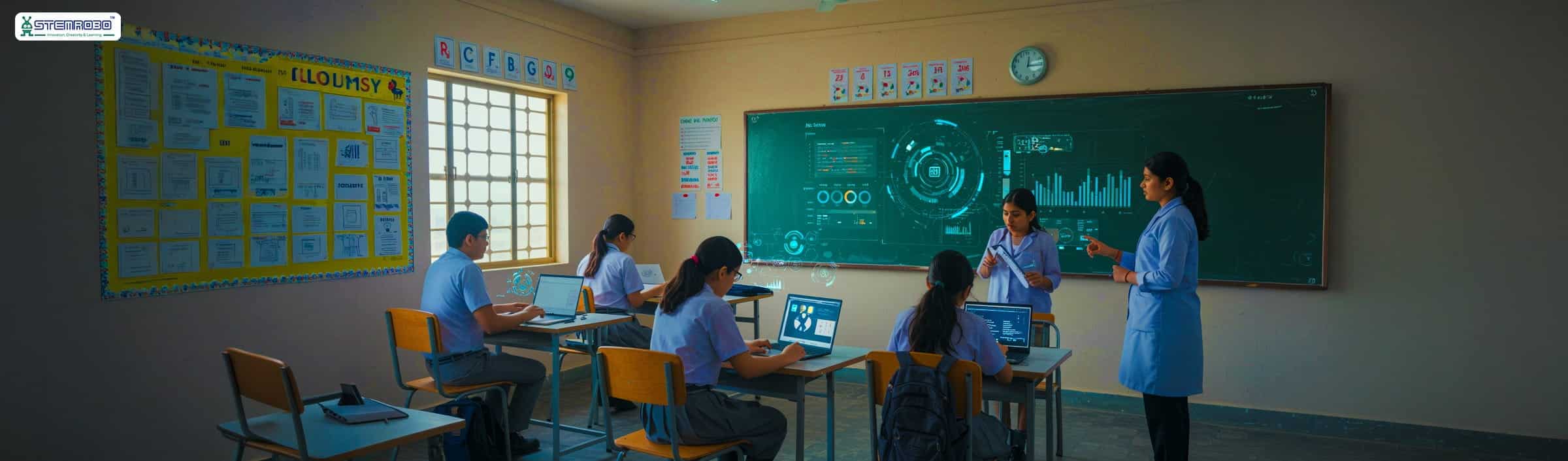
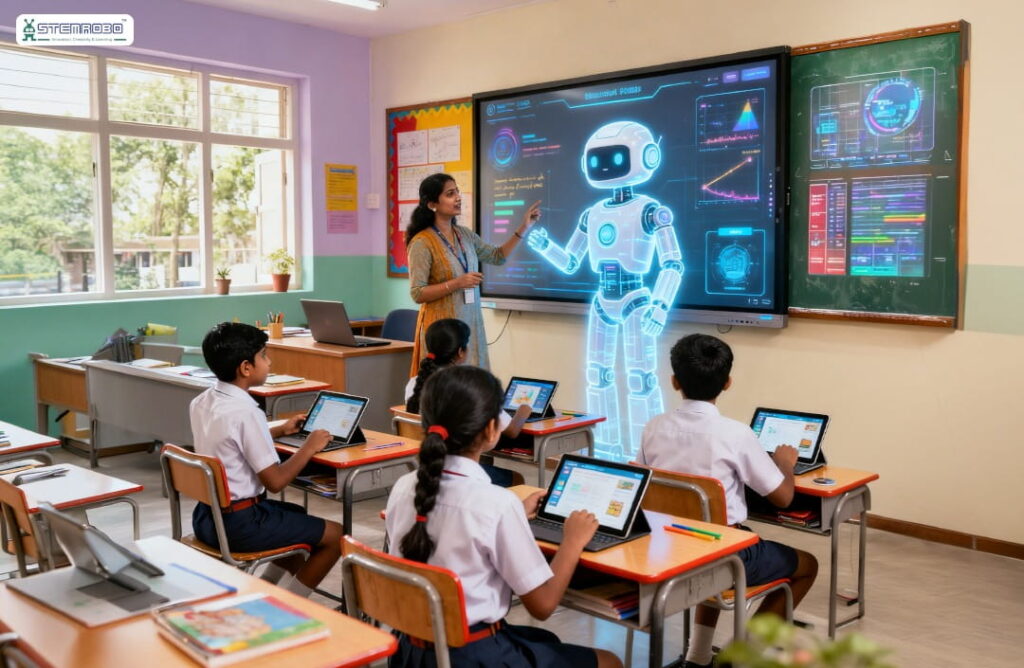
Smart classrooms are becoming more popular in schools and with the help of the right kind of integration, AI platforms can be used with all forms of technology in the classroom and thus build a more coherent learning environment.
In an integrated AI driven classroom:
- Classroom tools will interact with an assessment platform
- Data on student performance will be streamed into an analytics system
- Real-time feedback will be displayed to teachers on a dashboard driven by AI
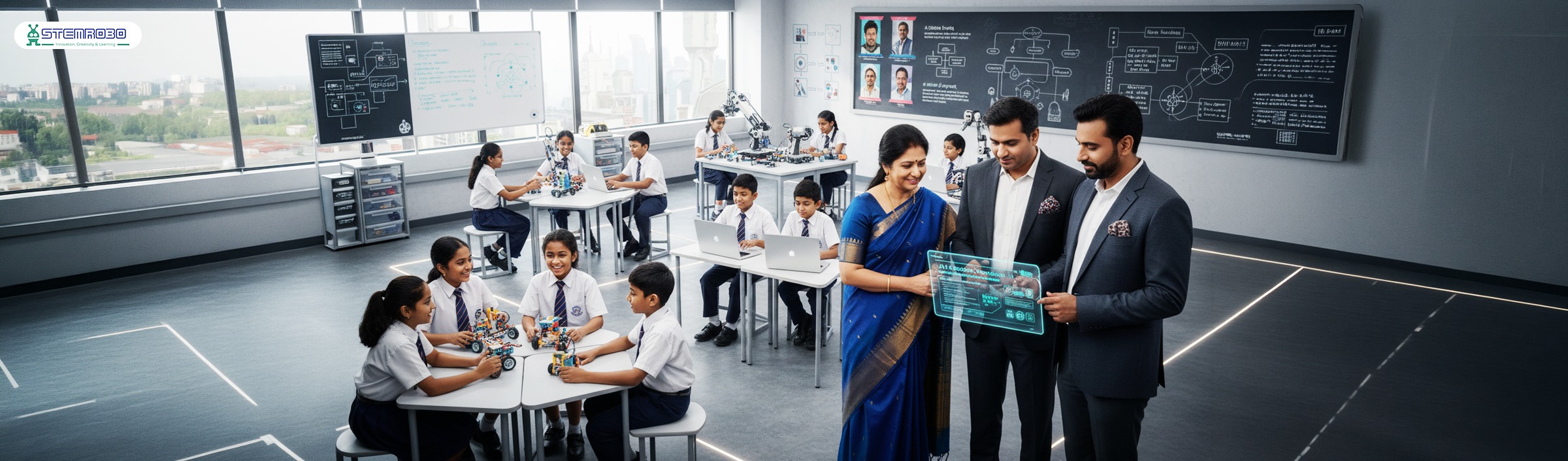
There are already pioneering schools such as in the USA and Australia which are piloting integrated AI learning ecosystems developed by institutions like Stemrobo Technologies, wherein AI powered smart classroom tools, learning analytics systems and an assessment platform work hand-in-hand to generate an engaging learning experience.
These kinds of integrated systems enable the schools to do more than just teach and build engaging classroom experiences.
Challenges in Implementing AI Integration
Besides all benefits of AI learning platform, there are several difficulties schools may face:
- Infrastructure needs in the context of a digital classroom
- Training and acceptance of the teacher technology
- Data privacy and security
- Integration into the existing school infrastructure
But due to a lowering cost of and a better access to the technology these challenges are becoming smaller: today, several e-learning suppliers build their AI solution such that it can easily be integrated into the school systems.
The Future of AI Integration in Schools
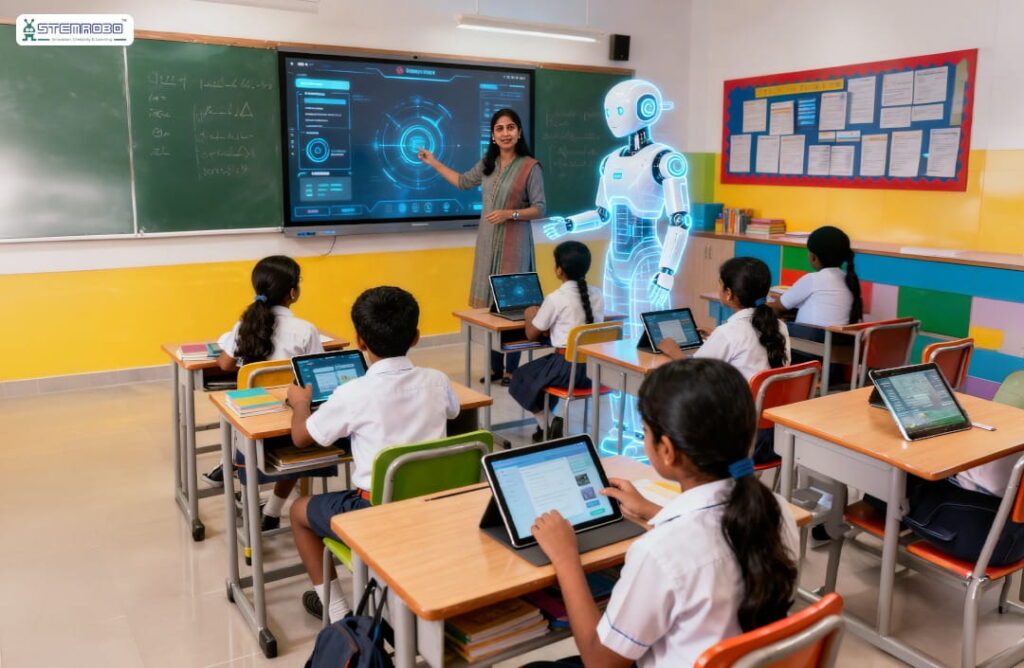
In the coming years, AI will play a much bigger role in classrooms by making learning more interactive, adaptive, and student-focused. Educational institutions may soon begin utilizing an AI system that is capable of providing interactive and personalized real-time learning, immersive and engaging virtual reality and augmented reality, and even skill based AI assessment for career pathway direction.
In parallel, ongoing learning analytics will empower teachers to monitor student progress, and enhance their own teaching methods. Instead of fragmented disparate tools, an all in one educational AI ecosystem linking teaching, learning and assessment will soon be an everyday thing in many schools.
The objective is not for AI to take the place of a teacher, but to act as a supplementary resource and further enhance the learning process for teachers and students alike.
Conclusion
Schools that adopt connected and intelligent learning systems today will be better prepared for the classrooms of tomorrow. With integrated AI learning platforms, schools can merge teaching technologies, assessment platforms and learning analytics into one cohesive platform to better support both students and teachers. Through this connected learning environment, managing the classroom will be simplified while enhancing the entire learning process.
Schools are able to build a more personal, efficient and data-driven learning environment through implementing AI integration solutions. Teachers will receive data insights regarding students’ development, the students’ learning gap, as well as performance patterns so they could further adjust the teaching methods; while students will be provided with personalized learning experience to learn at their own pace, as well as strengthen their learning process.
These platforms also reduce the administrative load for teachers by automating tasks such as grading, monitoring progress, as well as recommendation for content to help to ease the work load. As education technology continues to evolve, integrated AI platforms will continue to be a key component in revolutionizing classrooms for better learning.