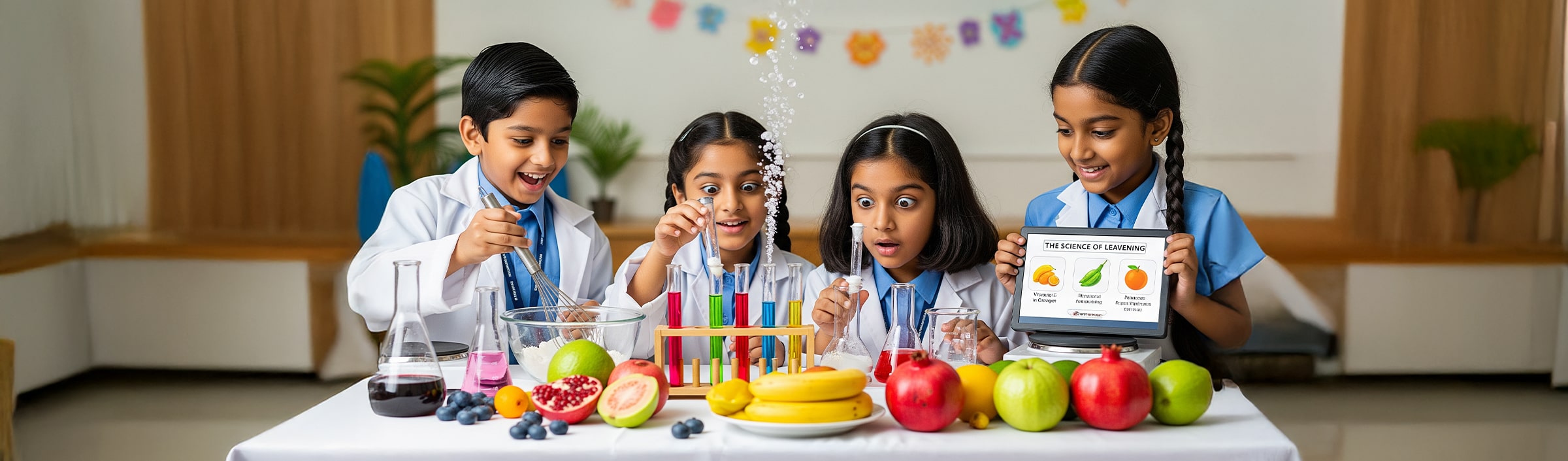
The food that we have everyday, the supplements that we take, the crops that are grown to get the yield we want everything involves science and technology and so it makes the whole scenario something to improve and work upon. Because it is of outmost importance that we have the food that is both healthy and safe for our body. Therefore, we can understand that STEM education for kids is not just a subject, it is a way of making our living sustainable, healthy and economical.
How STEM Education Is Transforming the Modern Food Industry
A few years ago, the way of us taking food was simple: grow the crops, harvest it and then consume it. But as the complexities in health and environment are increasing, we need to make sure that we take all the measures. But the modern world requires more precision, more safety, and more innovation. This is where STEM steps in. Now, most of the food we eat has been produced with modern STEM farming and irrigation, tracked with complex IoT and GPS till it reaches our doorsteps and the list goes on.
Not much time before the factories and all the physical work was done by people only but now that the technology is better, the factories now use complex machines Factories that once relied solely on manual labour now operate like high-tech laboratories. Robotic arms pack snacks at speeds that humans cannot match. Vision-based systems identify imperfections in fruits with exceptional accuracy.
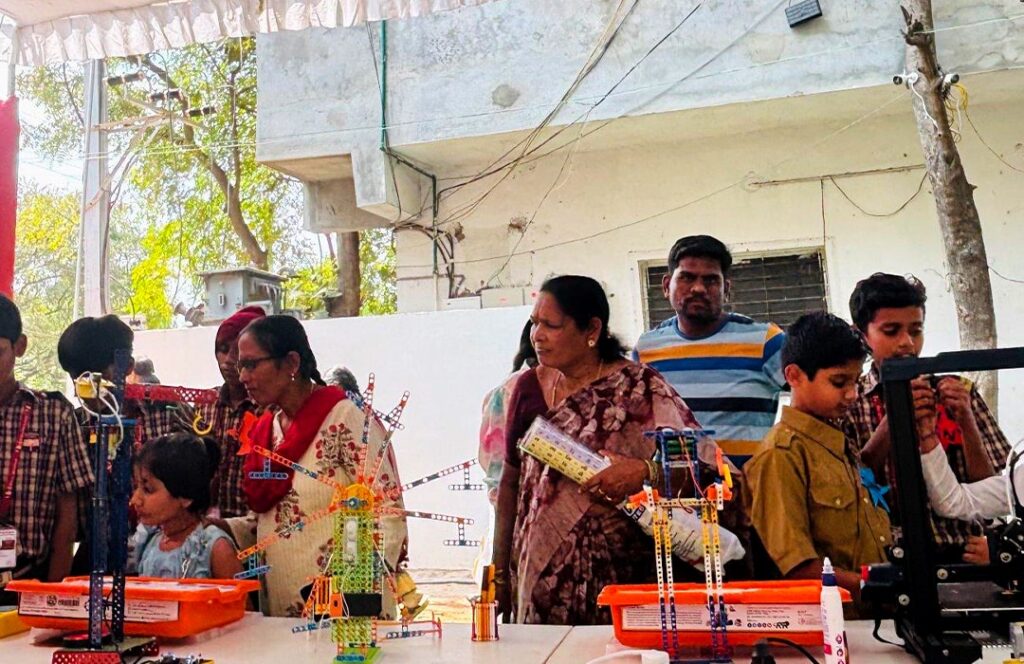
The Role of Science in Creating Healthier and Safer Food
Today, the food we eat are all part and parcel of STEM. From the pesticides and the irrigation to the farming processes used during the whole setup from the seeding to the yielding is all a part of science.
Scientists and researchers are finding out ways to keep food fresh for a longer time and how it can be grown in offseason and also finding useful alternatives to foods through cultivation of a new or same family vegetable or manufacturing supplements for it.
Engineering and Sustainability: Building the Future of Food Production
Food engineers mainly work on how food is made, stored, packed and kept safe.
and scientists and chemical engineers look over making the food more nutritious, safe and easily accessible. Together, both groups play important roles. Food engineers handle the how, while scientists and chemical engineers handle the what. This teamwork helps ensure that the food we get is safe, healthy and available whenever we need it.
Mathematics: The Hidden Logic Behind Every Food Decision
For a sustainable and conserving society, it is very important that we don’t let food go to waste. We can make sure of this by studying the market trends and the demand supply. This way, the decision makers can only enough stock according to the demand.
The rise of food analytics, predictive modelling, and algorithm-driven decision-making has created new opportunities for students who enjoy logic and numbers.
STEM in Agriculture: Where the Story of Food Begins
The food industry begins in the soil where the crops are grown and to get the best yield, the quality of the soil matters. The irrigation methods, the pruning, the tilting etc, are all components that require technology. Farmers now use, seed bomb, drones, sensors etc to monitor the health and quality of the crops.
STEM is more jobs for the future generation in the field of food. That is why, Learning and Innovation skills for students are introduced to students at an early age.
Food Safety and Quality: Protecting Health Through Advanced Science
People now are always on the go and so we the food also needs to be fast and ready to go. Therefore, things like quick commerce, ready-to-eat, tiffin service, supplements etc are trending to suit with the lifestyle of the people. There are now special labs and testing units that look over the food safety. They look over everything from the ingredients to packaging and storage conditions. With the rise of packaged food and ready-to-eat meals, ensuring safety has become more complex. Laboratories now rely on advanced technologies like biosensors, rapid microbial testing, and AI-powered risk detection to ensure that food remains safe. Food safety specialists examine everything from ingredients to packaging to storage conditions.
Jobs in food quality checks, testing labs and rule-checking departments are very important today. These people make sure that we eat are clean, safe and also meets the safety standards. People in these roles make sure the food we eat is safe, clean and meets all safety standards. Their work helps keep people healthy and makes customers trust the food they buy.
Culinary Innovation: When Creativity Meets Technology
Today even kitchens use STEM for a better experience. Like checking the specific temperature for the food, oven temperature, fermentation, grilling, roasting etc.
This integration of culinary and technology is a new method to make food that is both enjoyable and healthy. And the jobs in this field are also much more dynamic.
Why STEM Careers in the Food Industry Are Growing Rapidly
The population is increasing and so is the need for good and nutritious food. So, there is a need for food scientists, chemical scientists and chemists etc and the list goes on. That is why STEM education for Students is important. The future is dynamic and so the students need to prepare for careers that don’t even exist in the present.
How Early STEM Exposure Shapes Future Food Innovators
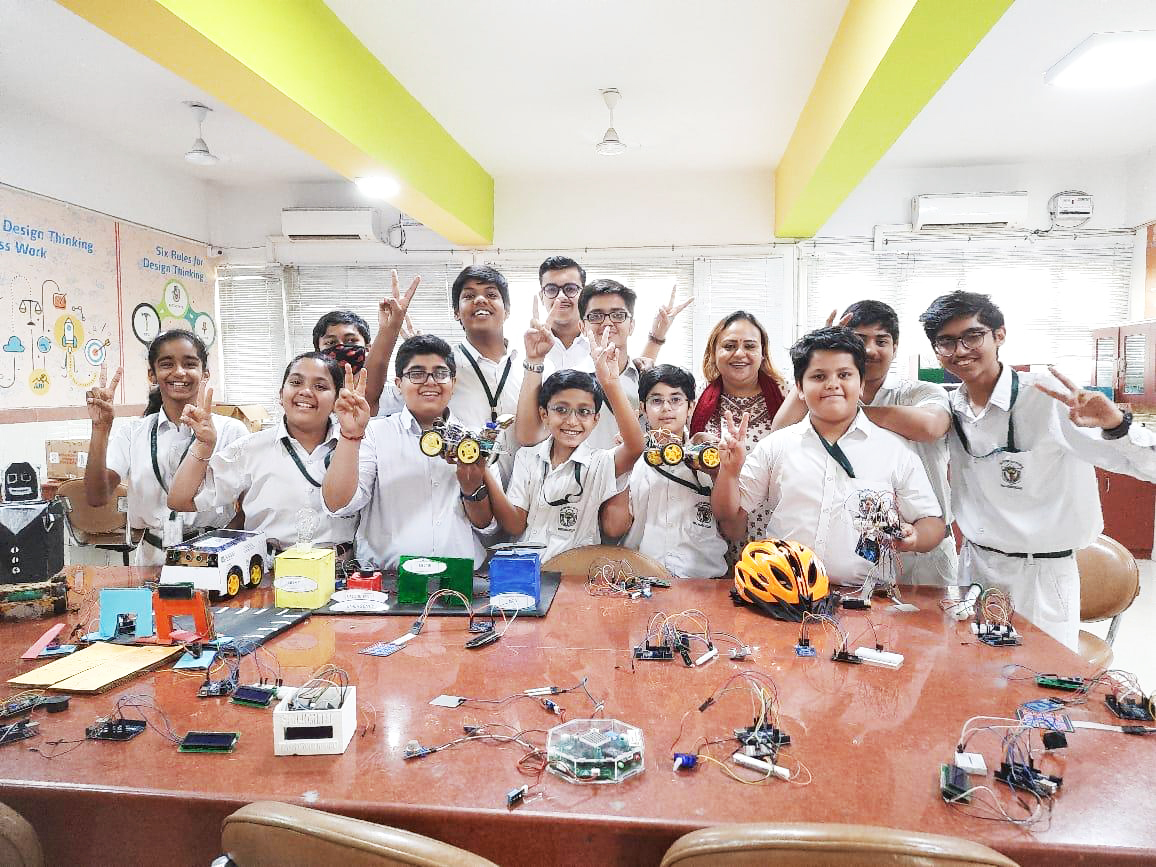
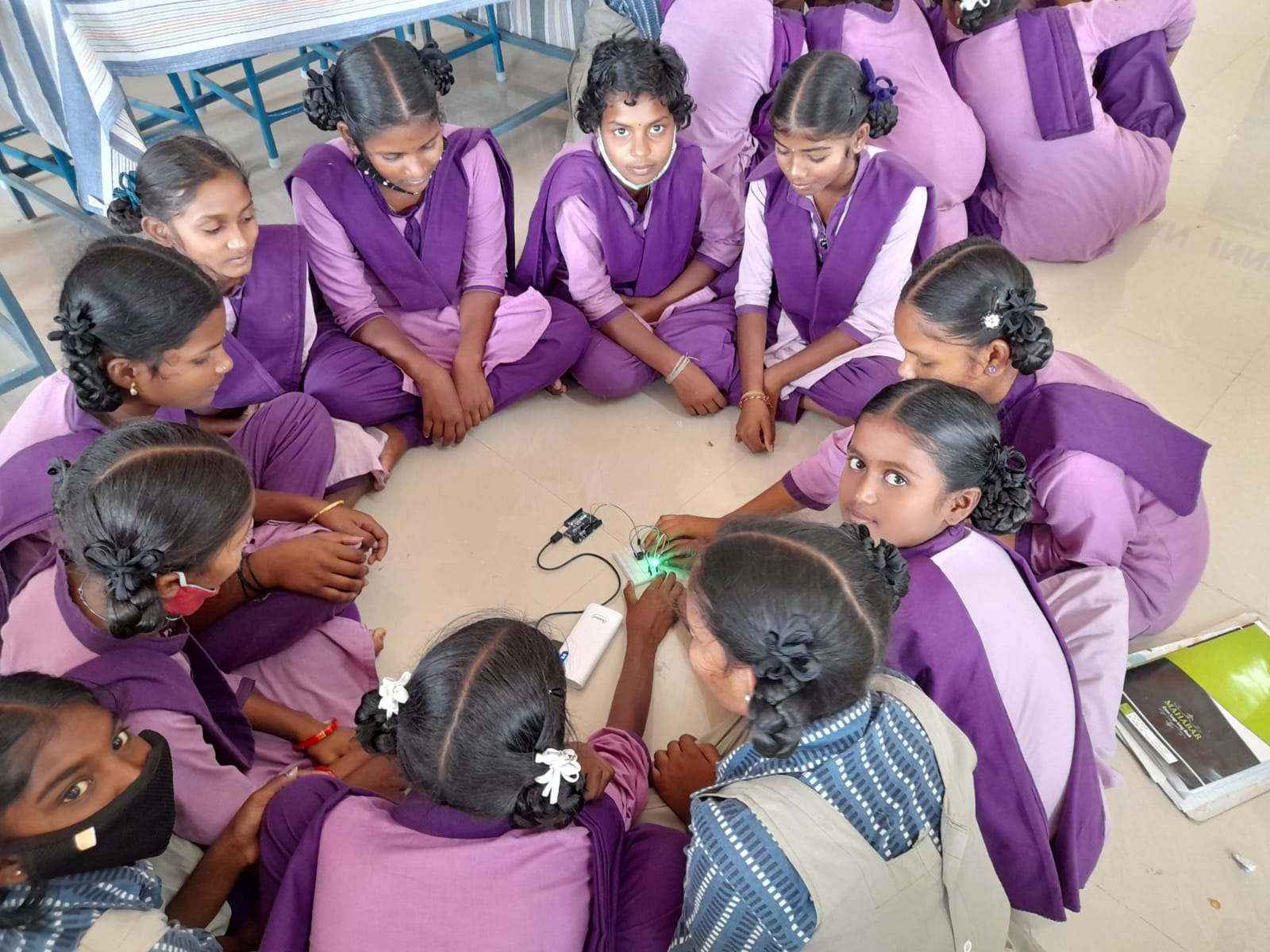
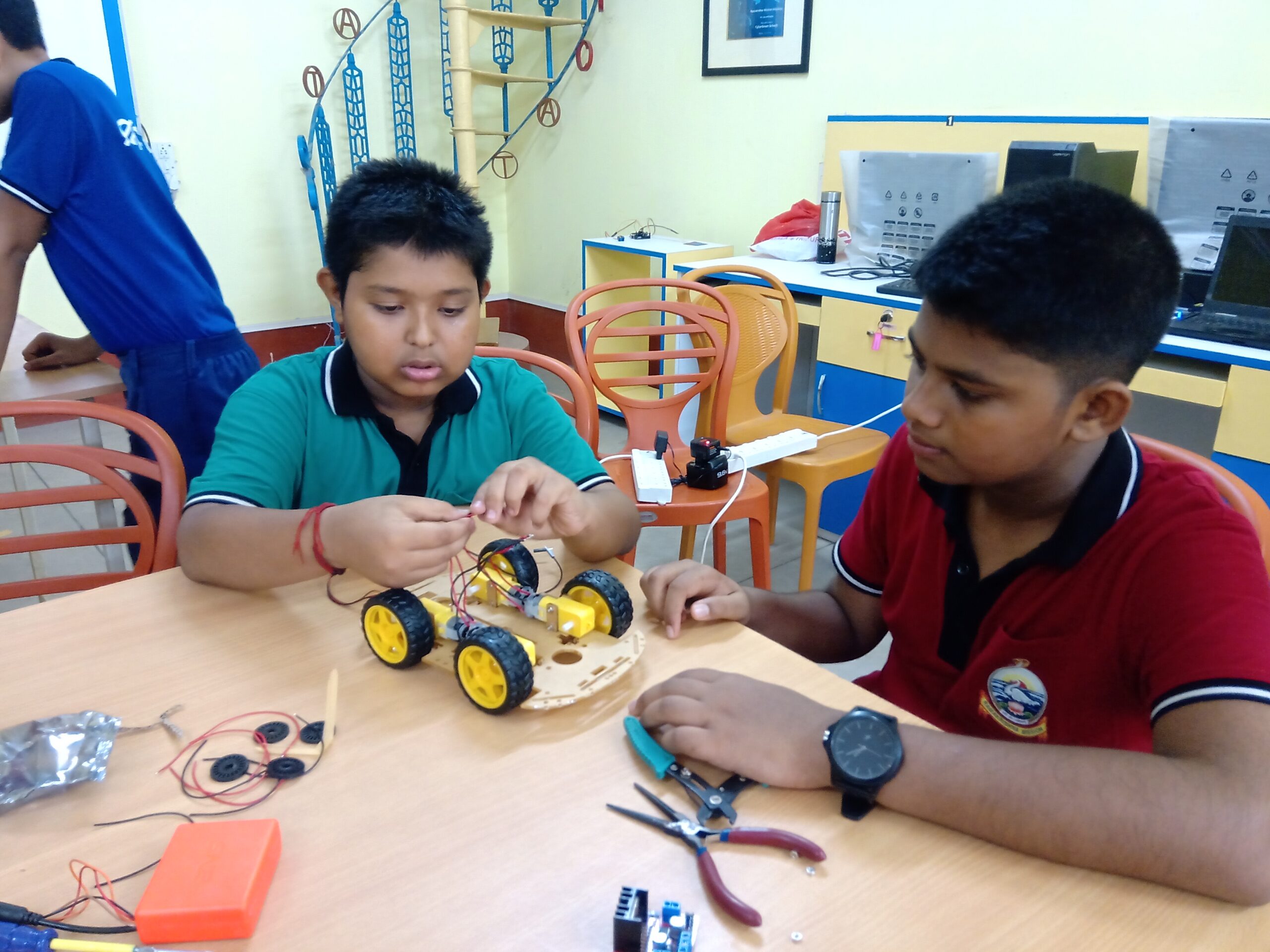
Starting early is always encouraged and when students are introduced to the magic of STEM education at an early age, they develop the essential 21st century skills that are required to live a good life in a society. They learn to connect the textbook learning to practical learning. And now with the increase in competition and population, we need to make sure that the kids are well prepared to solve problems like starvation, drought, malnutrition etc.
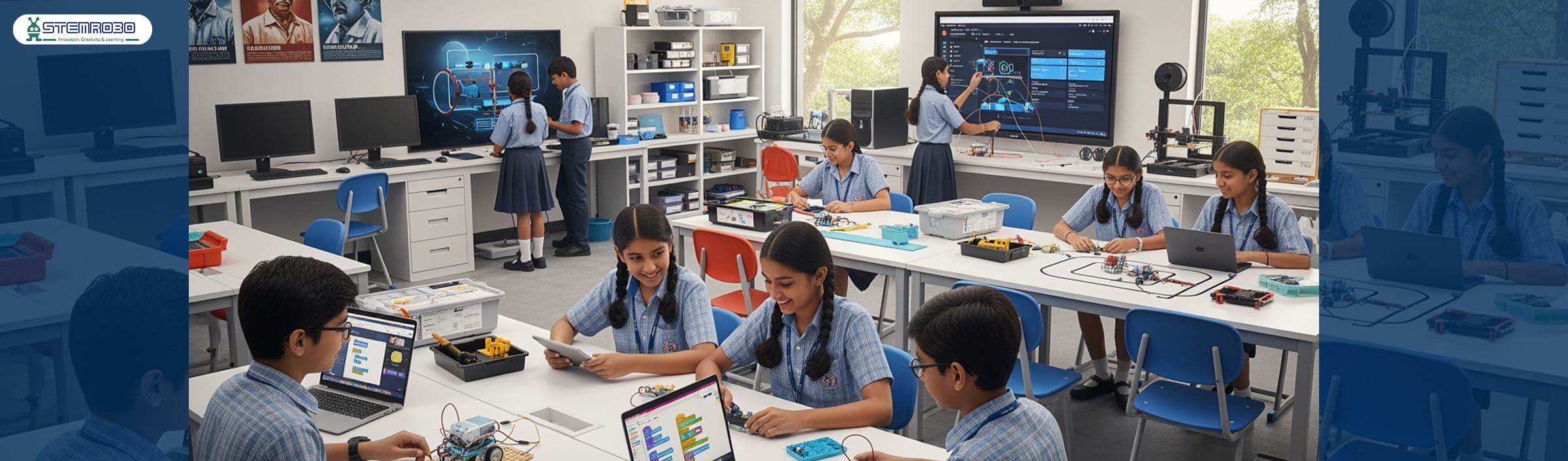
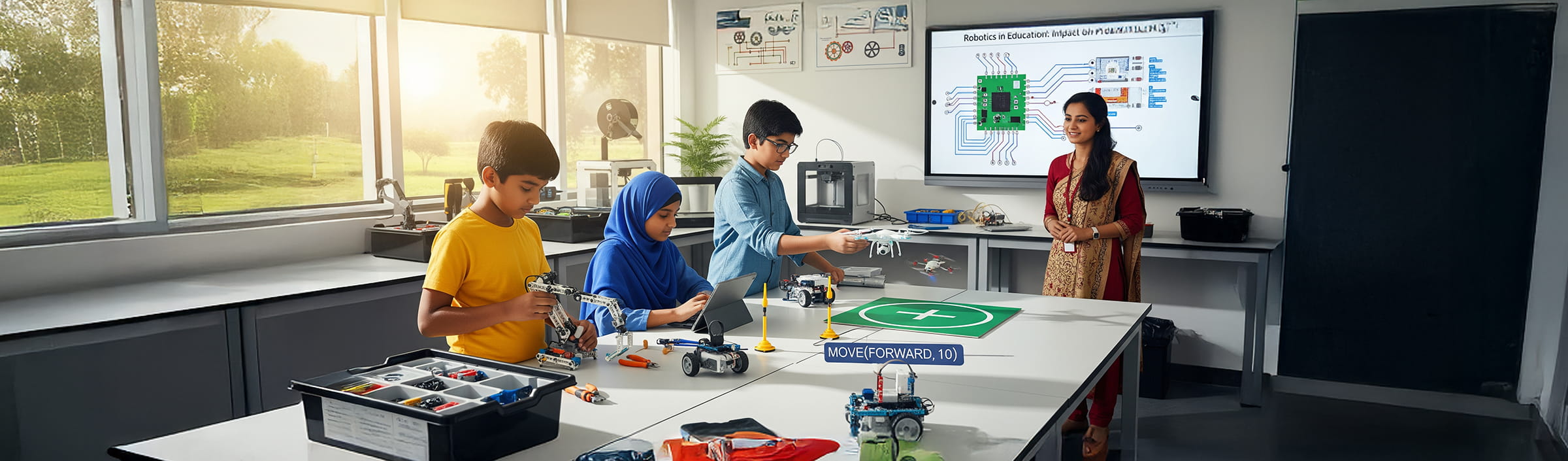
STEM Education Solution Providers Company like STEMROBO, with their experiential learning programs, robotics labs, and AI-driven education tools, help students build the skills that modern industries are seeking.
The Future of Food Is STEM-Powered
The food that we have today, and the food that people will eat in the future are all a boon of technology and science. From spirulina that is taken to complete protein intake or the Vitamin D tablets that are very important for healthy recovery.
From being a saver to a supplement to a complement, the food technology is very essential for the healthy living of a society.