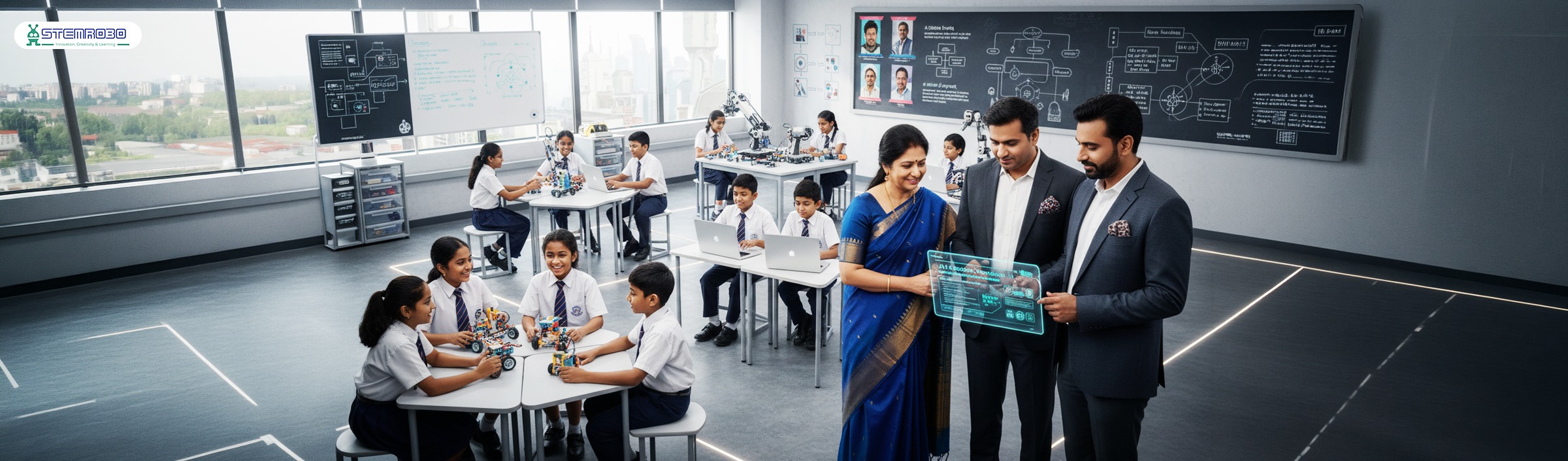
Education has evolved beyond traditional methods which required students to study from textbooks and take tests while memorizing information. Students today will enter a world which operates through Artificial Intelligence and automation technologies and robotic systems and smart technologies that exist in all areas of existence. The use of AI technology extends from the child who holds a smartphone to the traffic control systems that operate in metropolitan areas. School leaders must determine whether their educational programs teach students for the upcoming future or for a past educational system that no longer operates.
AI and robotics education is not about adding another subject to an already busy timetable. It is about changing the complete process through which students develop their thinking skills and solve their problems while creating their solutions. The organization aims to provide people with all necessary technical resources so they can develop their full potential.
Why AI and Robotics Matter More Than Ever
Artificial Intelligence and robotics exist in modern society as operating technologies that people use today. The healthcare sector and agricultural field and financial industry and manufacturing sector and transportation system all increasingly rely on automated systems which use data analytics for their operations. The students who learn to operate technology will find work but those who know its inner workings will become industry leaders.
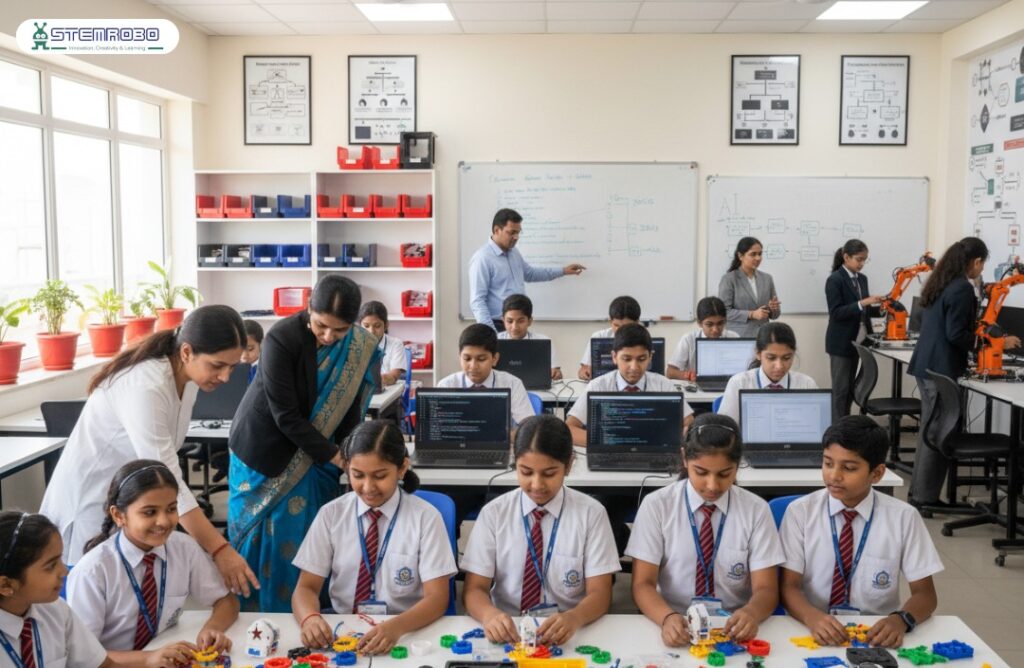
The introduction of AI and robotics to K-12 education helps students acquire logical thinking and creative skills together with teamwork abilities and structured problem-solving techniques. They learn how to break down complex challenges into smaller parts and design solutions step by step. The students develop self-assurance to test new ideas while creating fresh solutions.
The purpose of education should focus on developing thinkers who can succeed beyond standardized tests.
Moving Beyond Passive Learning
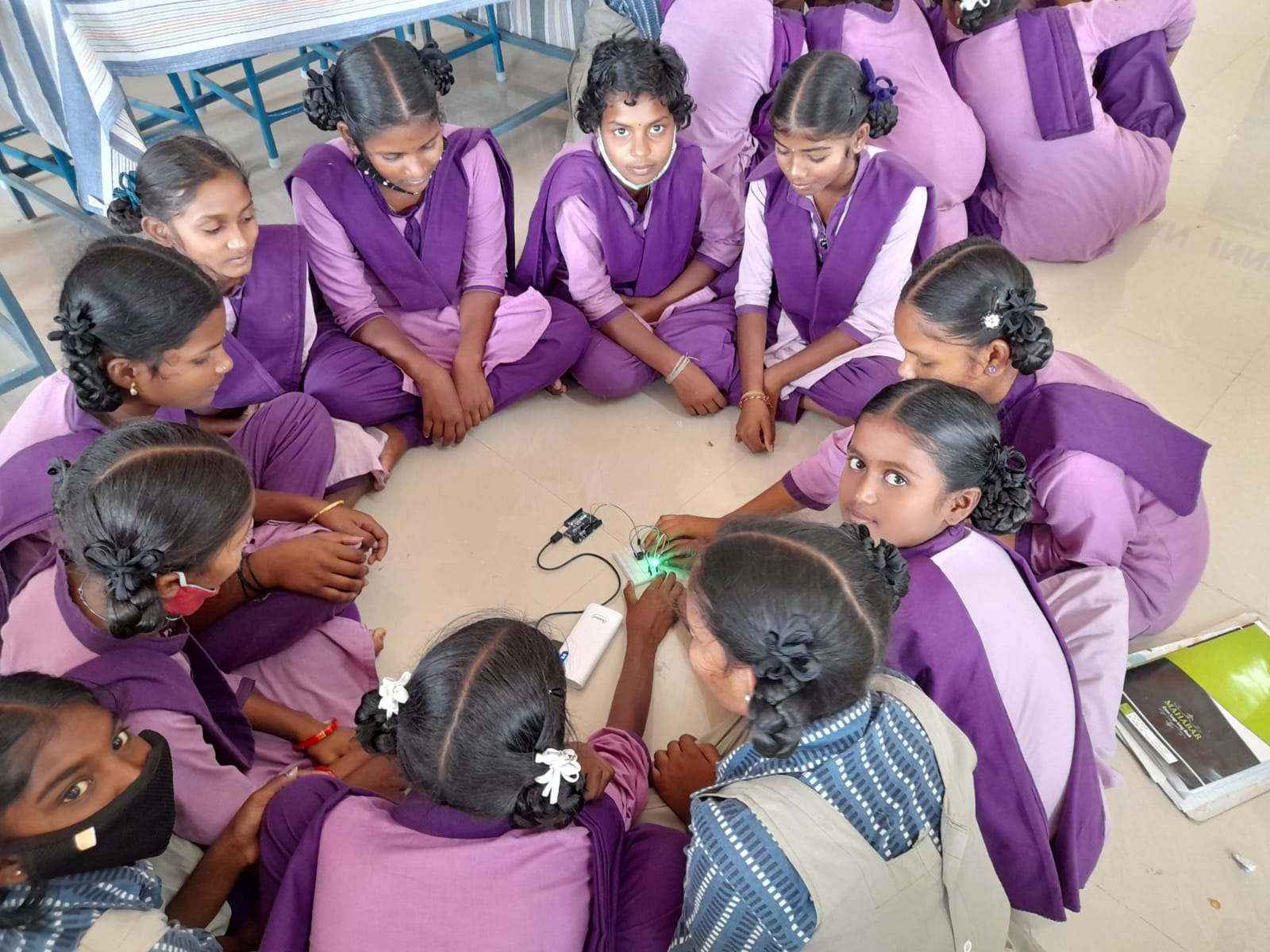
The traditional classroom system conducts its educational work through theoretical teaching. Students read machine content and algorithm content and system content but they never gain actual experience. The introduction of AI and robotics education enables students to participate in active learning through their exploration activities.
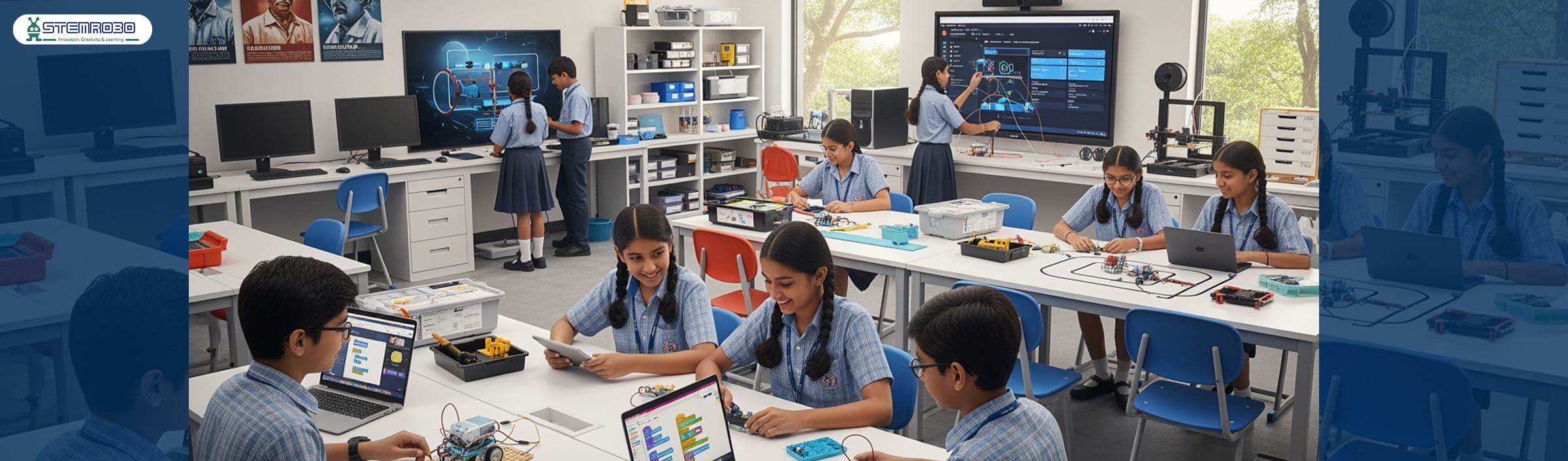
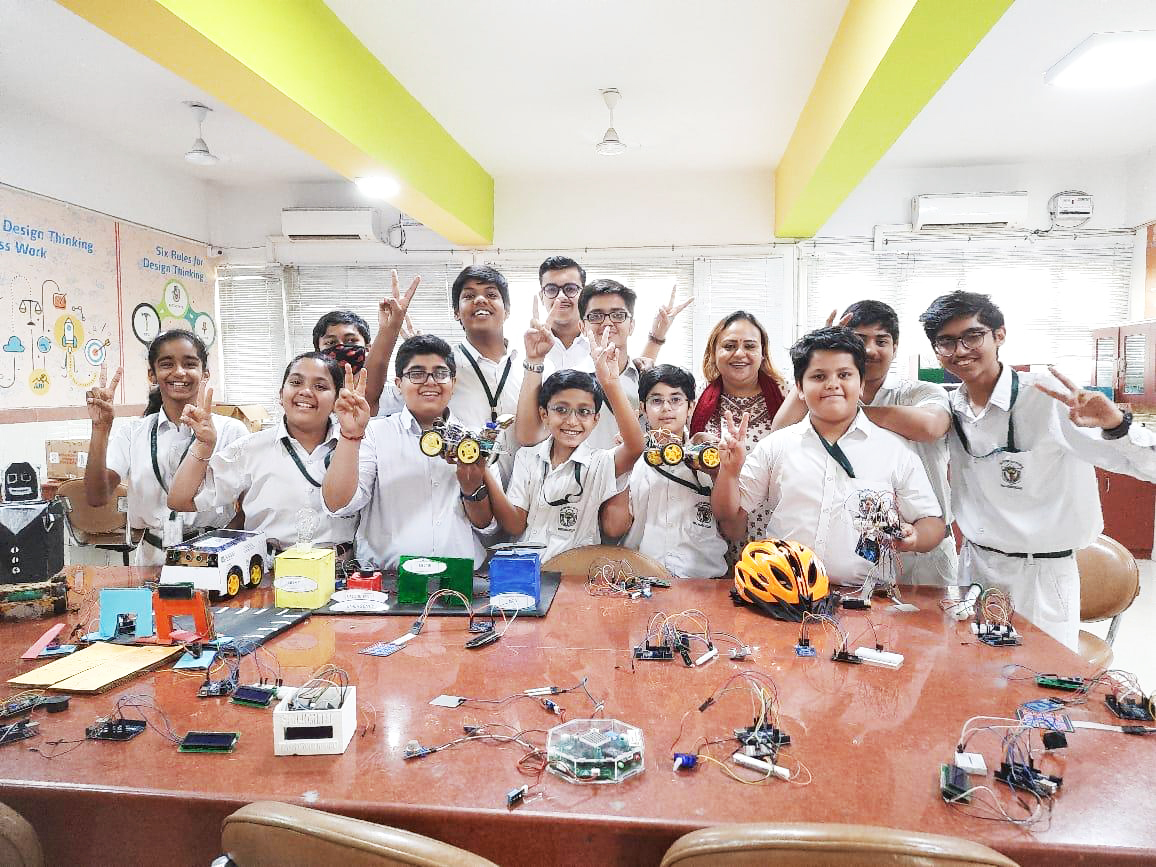
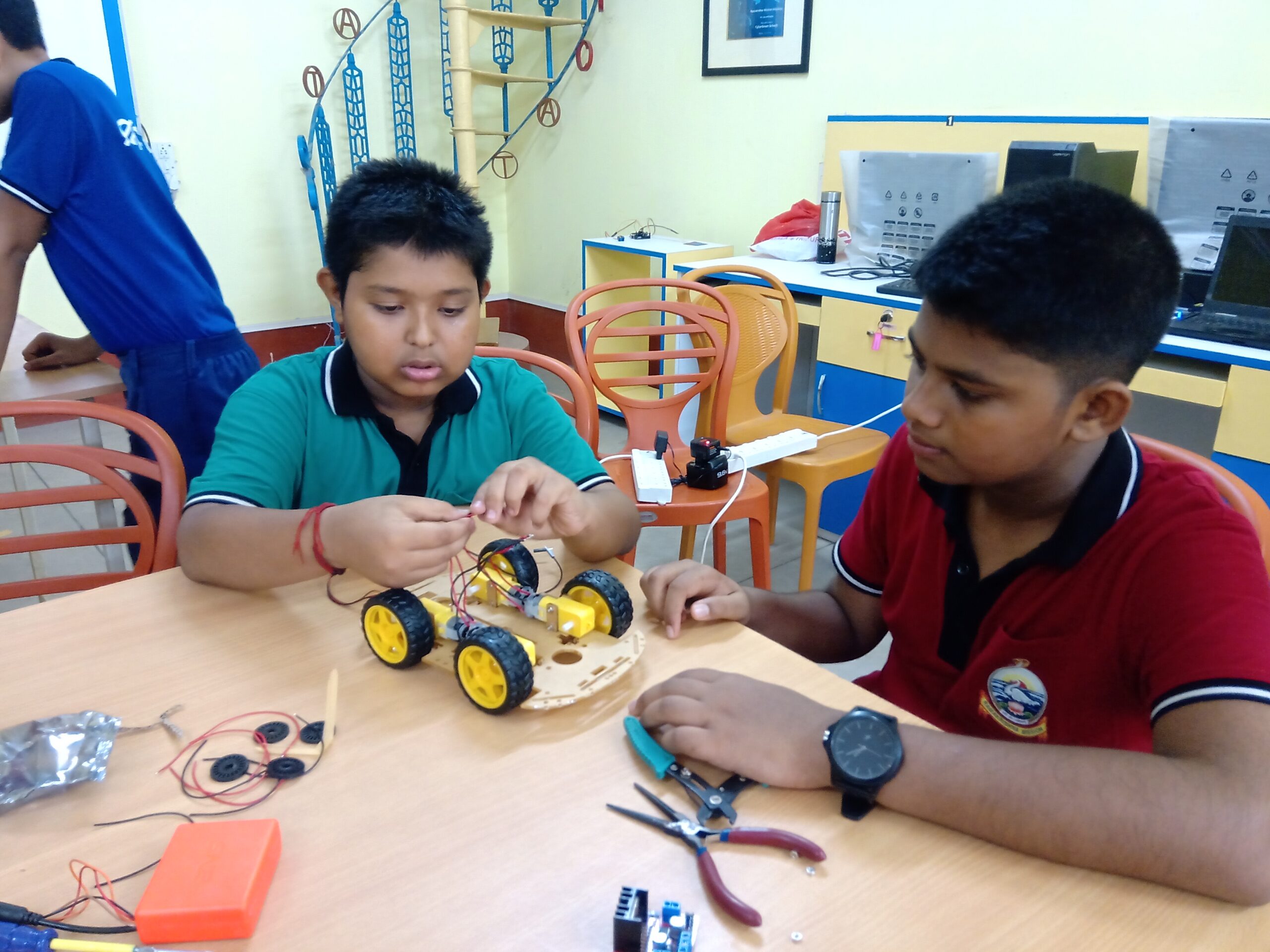
Students in the classroom environment create a robot through assembly work and program work to develop its obstacle navigation capabilities. Students learn machine learning through direct experience because they build and train a basic AI system to identify different visual elements. The experience of seeing their programming work properly enables students to create enduring learning knowledge.
This method of learning enables students to keep information better while showing enhanced interest and commitment to their studies. The process of learning from failure has been transformed. In robotics labs, mistakes are not setbacks, they are stepping stones toward better solutions. The mindset development prepares students to meet actual life situations.
What Should a Strong AI and Robotics Program Include?
An effective K-12 educational program requires AI and robotics content to be organized into structured educational paths that suit various student development stages. Primary students should start their learning journey through basic logical sequencing and simple coding activities and beginner robotics kits which provide educational content through interactive learning. At the middle school level, students progress to block programming which uses sensors and enables them to work on small automation projects. The secondary education level provides students with AI development opportunities through Python programming and machine learning and IoT system development and real-world problem-solving activities.
The key to achieving goals requires establishing a constant process. Yearly skills development requires students to learn new knowledge and abilities through ongoing training which builds on their existing competencies. A well-designed curriculum enables students to advance from basic logic knowledge to intelligent system design capabilities.
Infrastructure serves as a vital component which supports operations. A proper robotics and AI lab requires more than equipment because it needs to provide space which supports testing new ideas. Innovation opportunities arise from using robotics kits together with microcontrollers and sensors and AI platforms and IoT modules. The outcome depends on factors beyond hardware installation according to the statement. The system requires both structured lesson plans and curriculum mapping and ongoing support throughout the process.
The Changing Role of Teachers
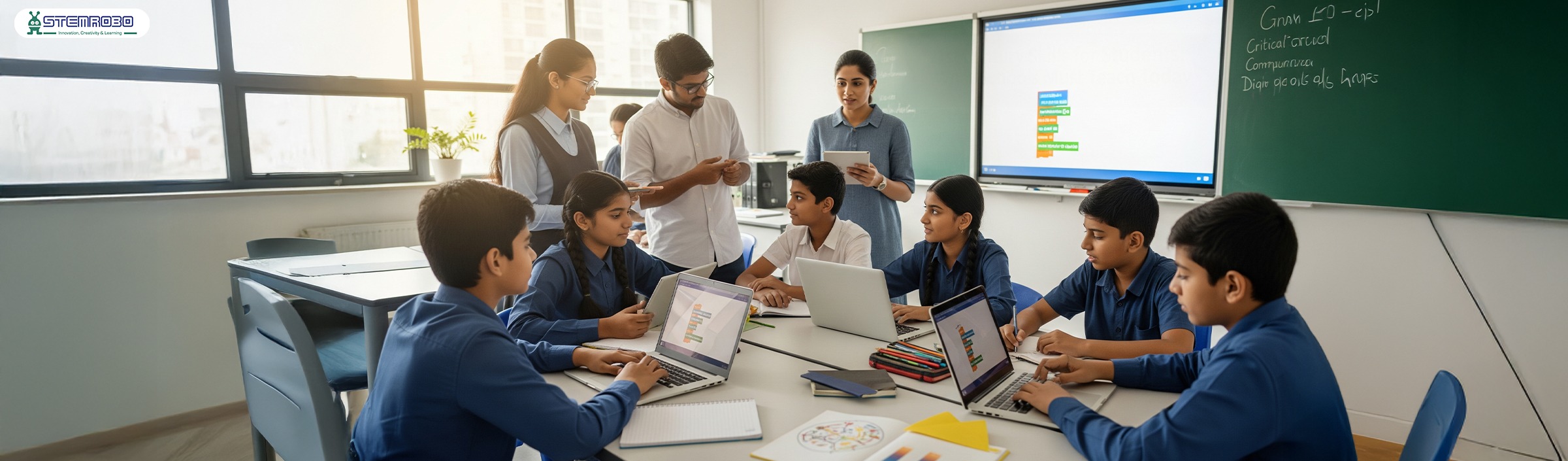
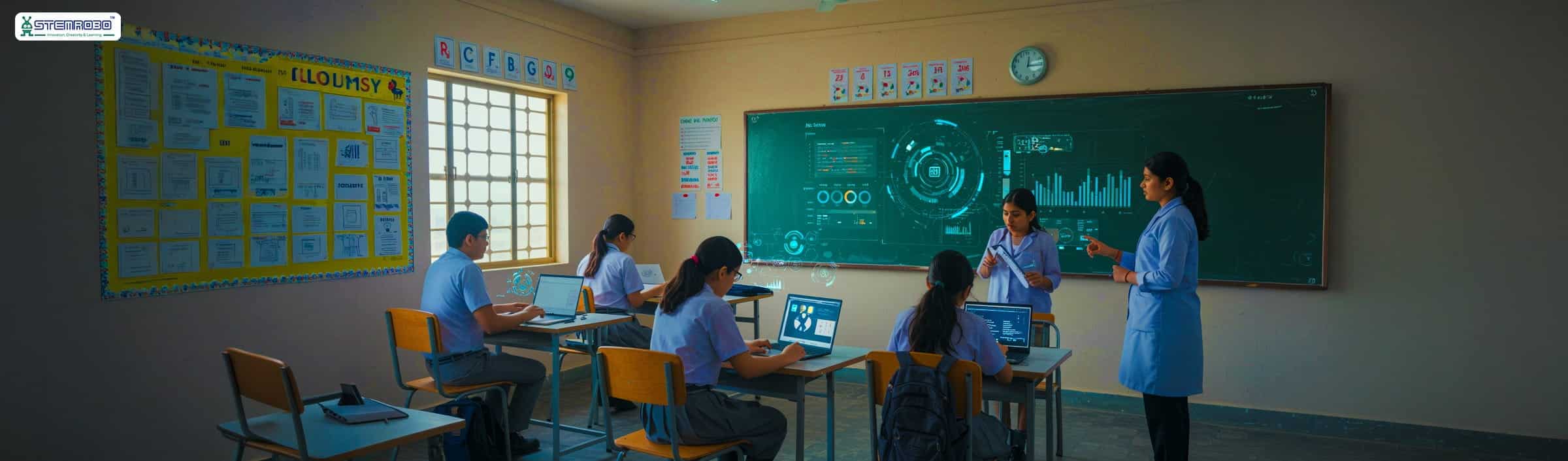
People raise questions about AI and robotics systems replacing teachers in educational settings. The answer is simple no. Technology does not replace educators because it works to empower them. AI-enabled classrooms require teachers to transform into facilitators who will assist students in learning through innovative activities. The teacher conducts classroom discussions while demonstrating to students how their schoolwork connects to real-world situations and through his questions he helps students develop deeper understanding.
Teacher training functions as the essential element which enables this transformation. Educators in this program need to develop confidence for three specific areas which include using AI tools and overseeing project-based learning and guiding students through their research activities. Teachers discover technology advantages after receiving complete training because they learn to use technology instead of facing technical problems.
Integration Across Subjects
AI and robotics should not remain isolated subjects. Their actual strength exists in their combination with other subjects. Students in mathematics classes learn to use algorithms together with data analysis methods. Students in science classes study automation systems and environmental monitoring systems. Social studies classes explore ethical considerations of artificial intelligence and smart city technology. Even in language classes, students can document projects and present innovations effectively.
This interdisciplinary method shows students that technology functions as a solution to different problems instead of being only an ability to operate technical equipment.
Planning for Sustainable Implementation
School leaders need to conduct detailed planning work which should take place before they start implementing their upcoming AI and robotics program. Schools need to assess their complete infrastructure requirements while determining their budget needs and curriculum development requirements and safety regulations and technical support needs. Schools should establish AI integration as their long-term strategic approach instead of treating it as a short-term enhancement.
Many institutions select complete implementation partners who provide educational program development and laboratory installation and instructor development and ongoing support throughout one unified system.
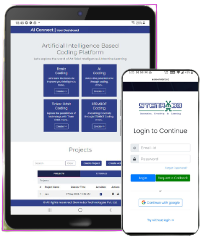
The platforms Stemrobo Technologies Smartly provide structured AI and robotics education modules which schools can use to develop their academic programs according to K-12 educational standards. The integrated solutions make sure that AI education becomes a regular part of daily learning activities instead of being offered as an infrequent educational experience.
Benefits That Go Beyond Academics
The benefits of AI and robotics education programs for students who want to work in technology fields but also provide advantages that extend beyond this main purpose. Students acquire skills in entrepreneurial thinking and teamwork, along with developing leadership capabilities and presentation skills. Students participate in innovation challenges and competitions which support their development of self-assurance and persistence abilities.
The student experiences a deep feeling of success when they create a functional robot and successfully program an intelligent system. The moment transforms their self-perception from being learners into becoming creators.
Isn’t that transformation the true measure of education?
Addressing the Concerns
Some school leaders believe that artificial intelligence technology remains excessively difficult for elementary school students to comprehend. However, when advanced concepts are taught through both progressive introduction and practical learning activities, students acquire the needed knowledge to master advanced concepts. The study faces two fundamental challenges: Experts need to determine specific requirements for conducting paid writing research services. The project requires an initial financial commitment, but its extended execution period and enduring advantages make it a strategic financial decision instead of a regular business expense.
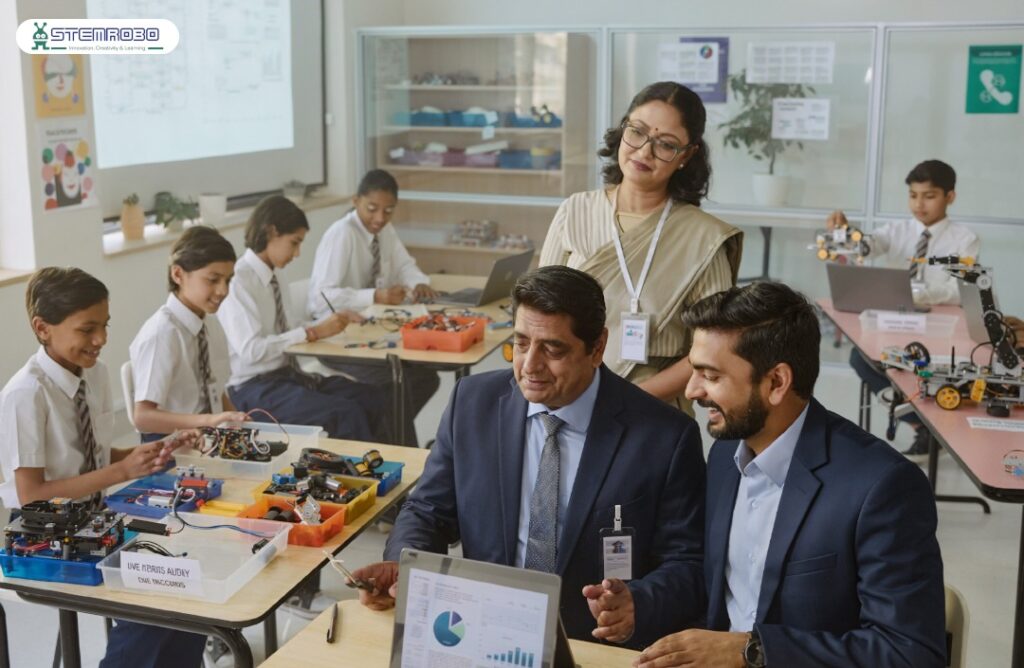
Educational institutions achieve their best results when educators apply technological tools in effective ways to enhance learning results.
Preparing Students for the Future
Global reports consistently highlight creativity, critical thinking, and technological literacy as essential future skills. The educational system creates these abilities through its teaching of AI and robotics. Students learn how intelligent systems function while developing their skills to create trustworthy technologies through their studies.
The world belongs to those who can develop innovative products while handling problems through flexible thinking. Schools that embrace AI and robotics today are building that future within their classrooms.
Conclusion: From Users to Creators
AI and robotics education extends beyond teaching students about robotic systems and software development. The educational system needs to establish a fundamental transformation that moves students from learning facts to developing solutions while moving from technology usage to technology development.
School leaders need to develop a vision for their educational institution which requires them to establish their plans and help teachers who will maintain their educational system over time. AI systems and robotics systems create educational environments which enable students to learn through research while developing into skilled problem-solving experts when implemented effectively.
The most essential question to consider is whether intelligent classrooms should exist because intelligent systems will define future educational environments.