
Robotics

Robotics lab in Schools

How to set up Robotics and Coding Lab in Schools by STEMROBO

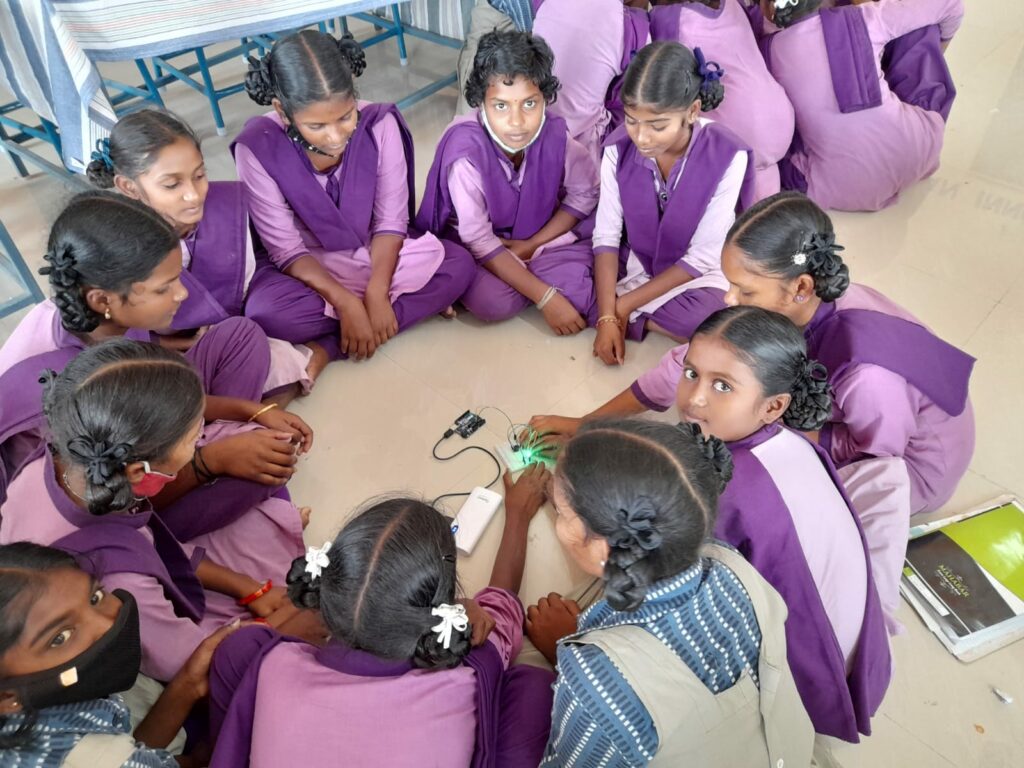
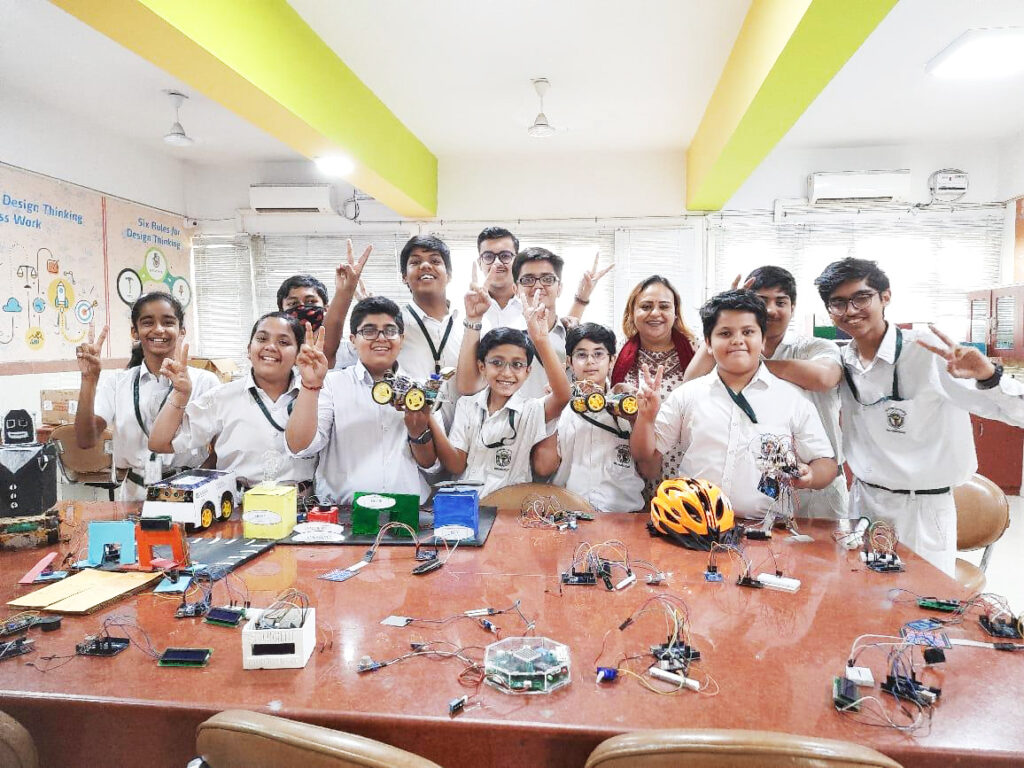
Setting up a Robotics and Coding Lab in schools is an exciting venture that can greatly enhance students’ learning experiences. With the help of STEMROBO, a leading provider of educational robotics solutions, this process becomes even more accessible and efficient. To begin with, it is important to understand the key steps involved in setting up a Robotics Lab. Firstly, consider the physical space required for the lab, ensuring it is equipped with workstations, storage areas, and safety measures. Next, select appropriate robotics kits and coding tools that align with the curriculum and age group of the students. STEMROBO offers comprehensive solutions for Robotics Lab setup in schools. Their expertise lies in providing high-quality robotics kits, coding platforms, and curriculum support materials tailored to different educational levels. These resources are designed to engage students in hands-on learning experiences that foster critical thinking skills and creativity. Furthermore, STEMROBO provides training programs for teachers to ensure they are well-equipped to guide students through their robotics and coding journeys. This support enables educators to confidently integrate robotics and coding into their lesson plans while nurturing a passion for STEM subjects among their students. By setting up a Robotics and Coding Lab in schools using STEMROBO’s resources, you are not only investing in cutting-edge technology but also providing an immersive learning environment that prepares students for future careers in fields such as engineering, programming, and automation. In conclusion, partnering with STEMROBO ensures a seamless process when establishing a Robotics and Coding Lab in schools. Their expertise combined with high-quality resources empowers both teachers and students to explore the exciting world of robotics while developing essential skills needed for success in the 21st century. Are you looking to set up a Robotics and Coding Lab in schools? That’s a fantastic initiative! Integrating robotics and coding into educational institutions can have numerous benefits for students. It can enhance their critical thinking, problem-solving, and creativity skills while preparing them for the future job market. To successfully set up a Robotics and Coding Lab, here are a few key steps you can consider: 1. Define your goals: Clearly identify the objectives and outcomes you want to achieve with the lab. This will help you design a curriculum that aligns with your vision. 2. Assess resources: Evaluate the space, equipment, and budget available to establish the lab. Consider partnering with technology companies or seeking sponsorships to support your efforts. 3. Curriculum development: Create a comprehensive curriculum that covers different levels of robotics and coding skills. Ensure it aligns with the age group of students and meets educational standards. 4. Training and professional development: Provide training sessions for teachers to equip them with the necessary skills to teach robotics and coding effectively. Encourage ongoing professional development to stay up-to-date with the latest trends. 5. Procure equipment: Purchase or lease robotics kits, programming software, laptops, 3D printers, and other necessary equipment. Consider the scalability of your lab to accommodate more students in the future. 6. Create engaging learning experiences: Design hands-on projects and activities that encourage students to apply their knowledge practically. Foster collaboration, creativity, and problem-solving through group projects. 7. Collaborate with experts: Invite professionals from the industry to share their knowledge and expertise with students. This can inspire students and provide real-world insights into robotics and coding. 8. Community involvement: Organize workshops, competitions, or open houses to showcase the achievements of your Robotics and Coding Lab. Involve parents, local businesses, and organizations to create a supportive network. 9. Continuous improvement: Regularly evaluate the effectiveness of your lab by gathering feedback from students, teachers, and parents. Use this feedback to refine your curriculum and enhance the learning experience. Remember, the success of a Robotics and Coding Lab lies in creating an engaging and inclusive learning environment. By providing students with the opportunity to explore and experiment with technology, you’ll be preparing them for a future that is increasingly driven by robotics and coding. Good luck with your endeavor!

How to set up Robotics and Coding Lab in Schools by STEMROBO Read More »
Atal Tinkering Lab

HOW TO TEACH ROBOTICS AND AI CURRICULUM IN ICSE SCHOOLS BY STEMROBO 

Designing an AI and Robotics curriculum for ICSE (Indian Certificate of Secondary Education) schools can be an exciting and forward-thinking endeavor. Here’s a sample curriculum outline that covers key concepts and skills related to AI and Robotics:  More Details Visit Our Website : https://www.stemrobo.com/  Grade 6:  Grade 7:  Grade 8:  Grade 9:  This curriculum outline provides a progressive learning path, starting with foundational concepts and gradually advancing to more complex AI and robotics topics. It emphasizes hands-on projects, teamwork, and ethical considerations, fostering practical skills and critical thinking abilities among students. Schools can further customize and adapt this curriculum based on available resources, student interests, and local requirements.  For more Details Visit Our Website: https://www.stemrobo.com/  Corporate Office:  B-32, Block — B, Sector — 63, Noida — 201301, Uttar Pradesh, INDIA  MAIL ID – sales@stemrobo.com  WEBSITE URL : https://www.stemrobo.com/  TOLL FREE NUMBER : 1800–120–500–400,  MOBILE NUMBER: +917905087639 

HOW TO TEACH ROBOTICS AND AI CURRICULUM IN ICSE SCHOOLS BY STEMROBO  Read More »

Robotics lab for schools

CSR STEM AND ROBOTICS LAB SETUP IN SCHOOLS BY STEMROBO TECHNOLOGIES  

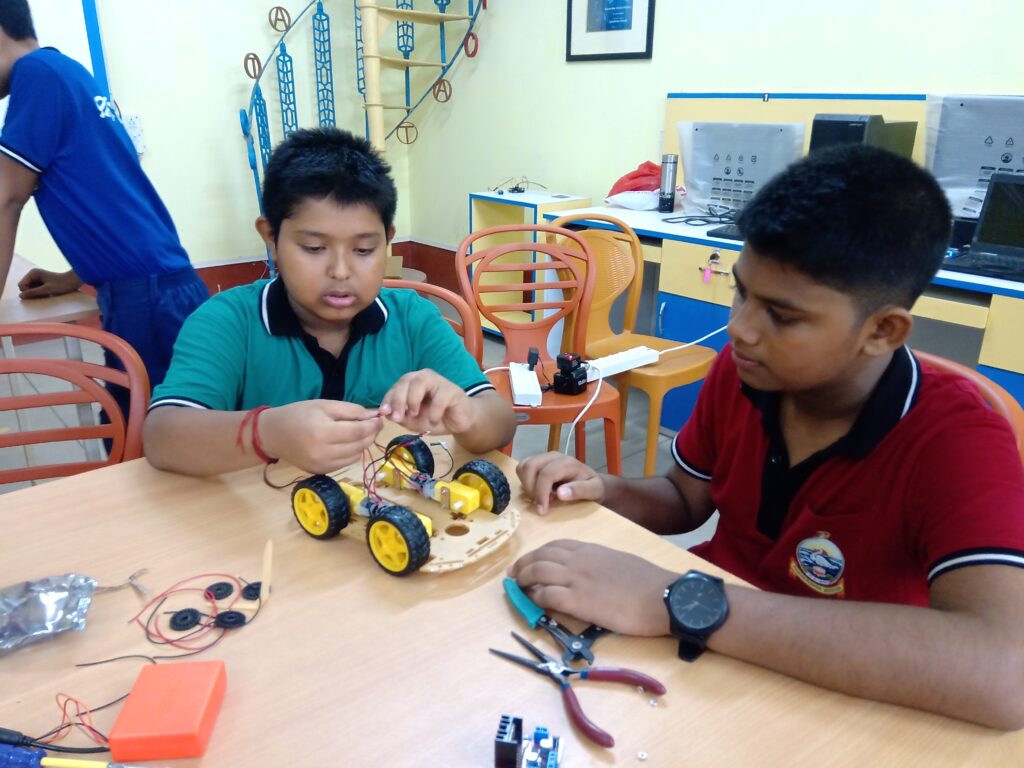
The introduction of  CSR Robotics and STEM labs in schools is a significant step towards nurturing the next generation of innovators and problem solvers. These labs provide students with hands-on experience in robotics, coding, and tinkering, allowing them to develop critical thinking skills and a passion for science, technology, engineering, and mathematics (STEM).  CSR Robotics labs in schools offer students the opportunity to explore the fascinating world of robotics through practical projects and experiments. By working with various robotic kits and tools, students can learn about programming logic, mechanics, electronics, and even artificial intelligence. This immersive learning experience not only enhances their technical knowledge but also fosters creativity as they design and build their own robots.  Similarly, CSR STEM labs in schools provide a dedicated space for students to engage in hands-on activities related to science, technology, engineering, and mathematics. These labs are equipped with state-of-the-art equipment such as 3D printers, microscopes, circuit boards, and renewable energy kits. Through interactive experiments and projects, students can deepen their understanding of scientific concepts while honing their problem-solving skills.  CSR Tinkering Labs focus on encouraging innovation by providing students with tools like 3D printers or laser cutters to bring their ideas to life. This enables them to tinker with prototypes or create innovative solutions for real-world problems. By fostering a culture of experimentation and curiosity within schools through these tinkering labs,  For more Details Visit Our Website : https://www.stemrobo.com/  Corporate Office:  B-32, Block — B, Sector — 63, Noida — 201301, Uttar Pradesh, INDIA  MAIL ID – sales@stemrobo.com  WEBSITE URL : https://www.stemrobo.com/  TOLL FREE NUMBER : 1800–120–500–400,  MOBILE NUMBER: +917905087639 

CSR STEM AND ROBOTICS LAB SETUP IN SCHOOLS BY STEMROBO TECHNOLOGIES   Read More »

Robotics Training in schools

HOW TO SETUP ROBOTICS AND CODING LAB FOR SCHOOL

Establishing a Robotics and Coding Lab in your school is an excellent way to engage kids in technology at an early age. Robotics and coding offer an immersive, hands-on learning experience that children can relate to, making the content more engaging and interesting for them. A well-planned Robotics & Coding Lab can act as a venue where students can get hands-on experience in developing, designing, programming, and testing robotic models. With these skills, students can develop problem-solving skills that are important for future success in any field.  For Setup Robotics lab in Schools Click on : https://www.stemrobo.com/ The objective of building this lab should be more than just giving access to robotics resources but to make sure the students gain knowledge that will help them grow with technological advancements in the future. Therefore it is important to choose the right resources and select the perfect setup for your school’s Robotics & Coding lab while considering student’s ages, interests, needs etc.  Setup Robotics and Coding Lab in your school can be an excellent way to introduce students to the fascinating and ever-evolving world of technology. Robotics and coding are two of the most important skills of the future, and having a lab dedicated to teaching these skills to students at an early age can help them gain a competitive edge in their schooling and future careers. Aside from providing skills, robotics and coding also foster creativity, problem-solving, and collaboration. With the right resources and guidance, a Robotics Lab for kids can be an invaluable addition to any school.  Setting up a robotics and coding lab in your school can be an exciting and rewarding project. Here’s a step-by-step guide to help you get started:  1. Identify the Purpose and Goals: Determine the purpose of the lab and the goals you want to achieve. Are you aiming to introduce robotics and coding as part of the curriculum or provide an extracurricular activity? Clarify your objectives before proceeding.  2. Plan the Space: Find a suitable space within your school to set up the lab. Consider factors like size, accessibility, and proximity to other relevant facilities like classrooms or computer labs.  3. Acquire Equipment and Resources: Gather the necessary equipment and resources for your lab. This may include robotics kits, microcontrollers (such as Arduino or Raspberry Pi), sensors, actuators, computers, programming software, and other relevant tools. Ensure you have a sufficient quantity to accommodate multiple students.  4. Design the Lab Layout: Design the layout of the lab to optimize space and ensure a conducive learning environment. Arrange workstations or tables, chairs, storage cabinets, and electrical outlets for powering devices. Consider creating separate areas for coding, assembly, testing, and debugging.  5. Set Up Computers and Software: Install programming software and necessary applications on the lab computers. Popular options for coding include Arduino IDE, Python IDEs (e.g., PyCharm), and block-based programming environments like Scratch or Blockly.  6. Develop a Curriculum: Design a curriculum or lesson plans to guide the learning process. Determine the progression of topics and skills to be covered, keeping in mind the age and skill level of the students. Incorporate hands-on activities and projects to reinforce concepts.  7. Train Staff: Provide training for teachers and lab assistants who will be supervising and facilitating the lab activities. Ensure they have a good understanding of robotics and coding concepts, as well as proficiency in using the lab equipment and software.  8. Create Safety Guidelines: Establish safety guidelines and procedures for working in the lab. Emphasize the importance of responsible and safe practices when handling tools, equipment, and electrical components. Provide appropriate safety gear, such as safety glasses, if necessary.  9. Launch the Lab: Once everything is in place, launch the lab and start introducing students to robotics and coding activities. Monitor progress, provide guidance, and encourage creativity and exploration. Consider organizing competitions or showcases to highlight students’ achievements.  10. Foster Collaboration and Engagement: Encourage collaboration among students by facilitating group projects, challenges, or coding competitions. Foster a supportive and inclusive learning environment that promotes curiosity, problem-solving, and teamwork.  11. Seek Community Involvement: Engage with the local community and industry professionals to provide mentorship, guest lectures, or internship opportunities. Partnering with organizations or experts in the field can enhance student’s learning experiences and expose them to real-world applications.  12. Evaluate and Improve: Regularly assess the effectiveness of the lab and make improvements based on feedback from students and staff. Adapt the curriculum and activities to meet the evolving needs and interests of the students.  Remember, setting up a robotics and coding lab is an ongoing process. It requires continuous support, enthusiasm, and adaptation to ensure its long-term success in fostering students’ interest and skills in these areas.  Contact us to set up AI & Robotics Lab in schools  Corporate Office:  B-32, Block — B, Sector — 63, Noida — 201301, Uttar Pradesh, INDIA  MAIL ID – sales@stemrobo.com  WEBSITE URL : https://www.stemrobo.com/  TOLL FREE NUMBER : 1800–120–500–400,  MOBILE NUMBER: +917905087639 

HOW TO SETUP ROBOTICS AND CODING LAB FOR SCHOOL Read More »